
Vandaag of morgen in huis

Kwaliteit gegarandeerd

Welkomstaanbiedingen ontgrendelen: GRATIS bezorging | Tot 80% korting | Gratis 30 dagen JoyPlus-proefperiode
Download de app
Upgrading your car's lighting to LED seems like a straightforward job. The promises are clear: better visibility, a modern look, and a longer lifespan. Yet, for many car owners, the search ends in frustration. Dashboard error messages, a dazzling and unsafe beam pattern, or bulbs that fail after just a few months.
As a Joybuy Product Recommendation Officer, I see where things go wrong every day. Manufacturers use marketing terms that obscure more than they clarify. Before you invest in new LED car lighting, it's crucial to recognise the most common pitfalls.
You don't need to be a technician to avoid a bad purchase. By paying attention to a few key specifications, you can easily filter the options.
The first step is the most basic: know which fitment you need. This is usually listed in your car's owner's manual or on the old bulb itself. The most common types for LED headlights are:
In addition to the fitment, pay attention to the size. Many LED bulbs have a large cooling fin or an external driver, preventing them from fitting inside the headlight housing. Models with a "1:1 mini design" have the same dimensions as a halogen bulb, making them easy to install as a 'plug and play' solution.
Modern cars use a CAN bus system to monitor the status of components. Because LED bulbs consume less power than halogen, the onboard computer may think the bulb is defective, resulting in a warning light on your dashboard.
A Canbus LED bulb has a built-in resistor to prevent this. Although many manufacturers claim "error free," sensitive systems (especially in German brands like Volkswagen, BMW, and Mercedes-Benz) may still require an external Canbus decoder. Always check the product information for details.
A proper beam pattern is crucial for safety and passing inspections. The LED chips on the bulb must replicate the filament of the original halogen bulb as accurately as possible. Only then will the bulb work correctly with the reflector in your headlight. A poor beam pattern creates dark spots and stray light that blinds oncoming drivers.
The colour temperature, expressed in Kelvin (K), determines the colour of the light.
Not everyone needs the same lighting. Below are some options tailored to specific user profiles.
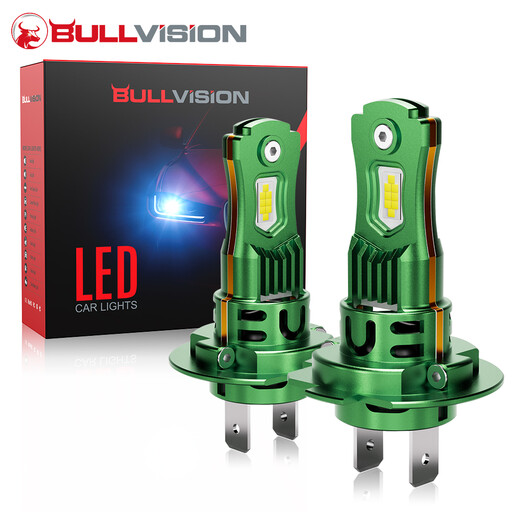
Why it's a match: Ideal for those seeking a noticeable upgrade without a major investment. The simple 'plug and play' installation makes it an accessible choice for drivers who want to replace their bulbs themselves.
The 1:1 size, identical to a halogen bulb, helps maintain a correct beam pattern. This reduces the risk of dazzling other drivers and failing inspections. The built-in Canbus driver is designed to prevent error messages on many vehicles.
Direct installation without modifications to the headlight housing. The 6000K colour temperature provides a crisp white, modern look.
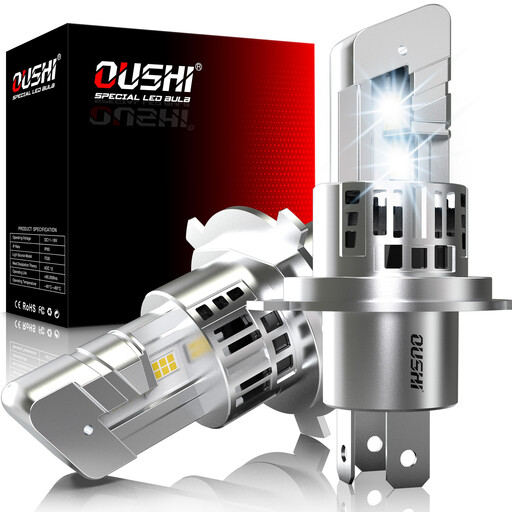
Why it's a match: For those seeking a significant improvement in visibility and a sleek, modern look. The H4 fitment combines low and high beams, making this a comprehensive upgrade for many cars.
The active cooling system, featuring a built-in fan, helps maintain high light output and prevents brightness from diminishing rapidly due to overheating—a common issue with powerful LEDs.
According to the manufacturer OUSHI, these bulbs offer a very high light output (30,000 lumens per pair) and an efficient cooling system for a longer lifespan.
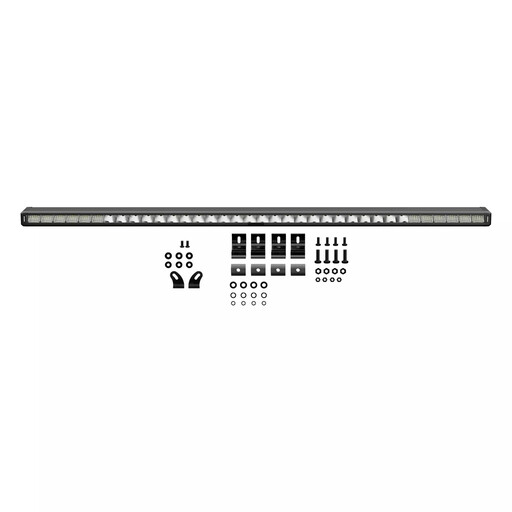
Why it's a match: For trucks, agricultural vehicles, or 4x4s that require robust and powerful auxiliary lighting for harsh conditions. This is not a replacement bulb, but a complete LED lightbar.
Unlike many non-certified lightbars, this model from OSRAM has dual ECE R112 certification. This means that, if installed correctly, it can be legally used as an additional high beam on public roads.
A robust construction (IP67 rated) and a light beam that, according to OSRAM, reaches up to 525 metres, providing superior visibility in the dark.
We have compiled a complete, up-to-date list of products that meet these selection criteria and local regulations.
Yes, but with conditions. For replacement (retrofit) LED bulbs in headlights originally designed for halogen, there is often no official ECE approval for use on public roads. The packaging will typically state "for circuit or off-road use only." In practice, roadworthiness inspections focus primarily on the beam pattern: if it is correct and does not dazzle oncoming drivers, it is often approved. Complete LED units or ECE-certified lightbars, like those from OSRAM, are fully legal provided they are installed according to regulations.
That is a real possibility, especially in cars made after circa 2005. This is caused by the Canbus system. Opt for bulbs specifically labelled as Canbus LED or "error free." Keep in mind that for some cars (particularly from the VAG Group, BMW, or Mercedes-Benz), an additional external decoder may still be the only solution to prevent error messages.
