
Vandaag of morgen in huis

Kwaliteit gegarandeerd

Welkomstaanbiedingen ontgrendelen: GRATIS bezorging | Tot 80% korting | Gratis 30 dagen JoyPlus-proefperiode
Download de app
Thinking of replacing your halogen bulbs with LED car headlights? The choice might seem simple: find the fitting, order the bulb and install it. In practice, problems often arise because of the wrong fitting, insufficient space behind the headlight or a beam pattern that doesn’t work well with the reflector. Marketing claims about brightness don’t tell you everything about how well a bulb performs on the road, either.
This buying guide compares LED car headlights using points you can check for yourself. You’ll find out what to look for in LED dipped and main beam bulbs, fog lights, CANbus compatibility and installation. Then, discover a selection of products for different needs.
H1, H4, H7, H8, H9, H11, 9005/HB3 and 9006/HB4 may look similar, but they aren’t interchangeable. A bulb that almost fits physically might still not connect properly to the plug or locking mechanism.
Always check:
Brands sometimes advertise brightness increases of 300%, 500% or even more. According to the product descriptions provided by the brands concerned, these figures compare the bulbs with standard halogen bulbs. They aren’t necessarily directly comparable.
What matters more is whether the LED chip is in the right position. A 1:1 design aims to replicate the position of a halogen filament. This can help reduce dark patches and scattered light, but the final beam pattern also depends on the headlight unit and your car’s alignment.
A built-in CANbus module can help reduce error messages, flickering or radio interference. Product information from several brands states that compatibility is wide-ranging, but no general claim can replace a check for your specific vehicle.
According to product descriptions, some Volkswagen, BMW, Mercedes-Benz and similar models may need an external CANbus decoder. Keep your original bulbs until you’ve checked that the new set works properly.
The fitting determines whether the bulb connects mechanically and electrically. Common types include:
So don’t choose based on the car model alone. The same model may use different fittings depending on its year, trim or headlight unit.
A rating of 6000K cool white gives a bright, white appearance. 6500K generally looks even cooler. However, colour temperature doesn’t directly indicate light output or whether the bulb is road legal.
In rain, fog and on wet tarmac, a well-directed beam pattern matters more than having the whitest possible light. After installation, check the alignment and make sure you aren’t dazzling oncoming drivers.
LEDs convert some of their electrical energy into heat. Many plug-and-play LED bulbs therefore use a fan and an aluminium housing. A fan can dissipate heat, but it has moving parts and needs space.
Also check:
Switch off the lights and let an old bulb cool down before you start. Some product descriptions recommend wearing gloves, as LED bulbs can become hot during use.
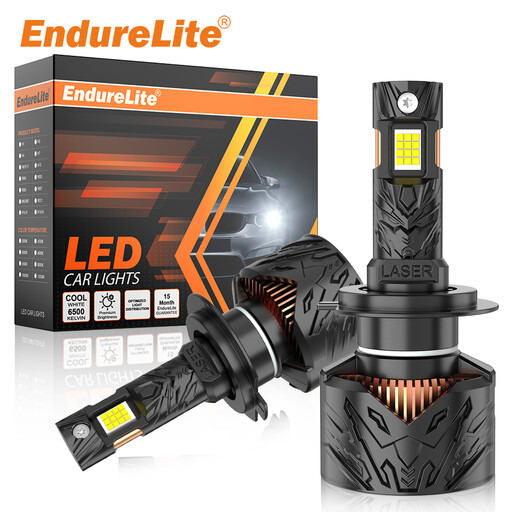
Why it suits this profile: A direct H7 replacement for anyone who wants to fit the bulbs themselves and doesn’t want a separate driver or complicated wiring. The set comes with two bulbs.
The product description mentions a 1:1 light source position, plug-and-play installation and a built-in CANbus solution. Check the H7 fitting and available space beforehand.
6000K cool white, IP68 according to the product information, an aluminium housing and a stated lifespan of 50,000 hours.
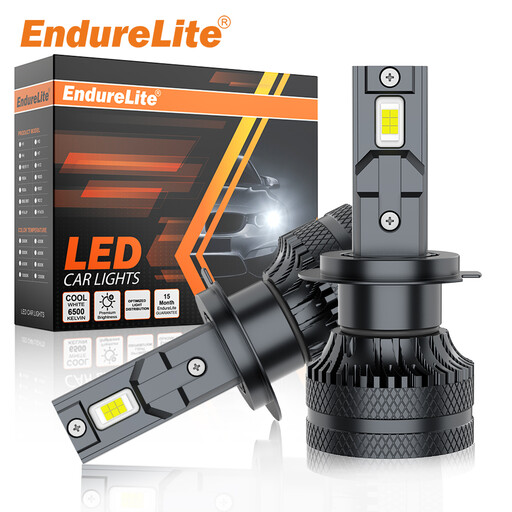
Why it suits this profile: A handy option for anyone comparing several possible fittings within one product family and looking for a compact installation.
The description mentions a 1:1 design, built-in CANbus and no extra driver or wiring harness. You’ll still need to check the correct fitting against your old bulb.
Supports H1, H4, H7, H11, 9005 and 9006 according to the product name; 6000K and IP68 according to the product specifications.
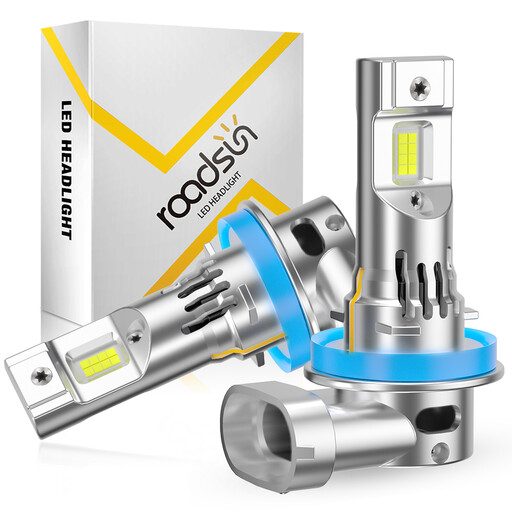
Why it suits this profile: Suitable for drivers using H8, H9 or H11 bulbs in their headlights or fog lights, especially if they regularly drive in changeable weather.
The product description mentions a 1:1 size, a non-polarity connection and a built-in driver. This helps reduce installation errors, but you’ll still need to check the fitting.
6500K, a 16,000 RPM fan and a stated lifespan of more than 50,000 hours according to Roadsun.
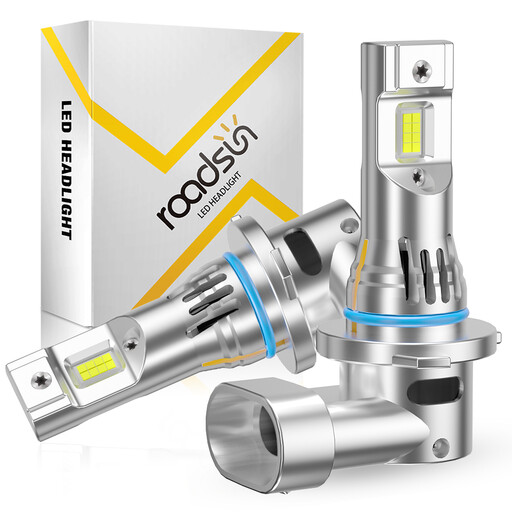
Why it suits this profile: A targeted option for anyone looking for 9006/HB4 LED bulbs for their fog light unit and wanting to fit a direct replacement themselves.
The manufacturer mentions a 1:1 design, plug-and-play installation and a built-in driver. Make sure your car uses an HB4/9006 socket.
CSP chips, a turbo fan, 6500K white light and IP protection according to the product information.
We’ve put together a full, up-to-date list of products that meet these strict selection criteria and the applicable European safety regulations.
Always follow the instructions for your car and the bulb when installing. After fitting, check:
A bulb that fits technically isn’t automatically approved for every use on public roads. Check the relevant vehicle and lighting regulations, and if you’re unsure, have the installation or beam alignment checked.
Some models are described as plug-and-play and don’t need a separate driver or adapter. This isn’t the case for every car. The fitting, available space, polarity and CANbus electronics all determine whether installation really is straightforward.
Many product pages state a lifespan of 50,000 hours or more. This is a product specification provided by the brand, not a guarantee for every real-world situation. Heat, vibration, moisture, usage and cooling quality all affect the actual lifespan.
LEDs may offer a different balance between light output and power consumption than halogen bulbs, but the exact consumption varies by model. Check the stated wattage and make sure your car’s electrical system is compatible. A CANbus error-free LED bulb may help reduce error messages, but some vehicles may still need additional electronics.
