
Vandaag of morgen in huis

Kwaliteit gegarandeerd

Welkomstaanbiedingen ontgrendelen: GRATIS bezorging | Tot 80% korting | Gratis 30 dagen JoyPlus-proefperiode
Download de app
Thinking of replacing your halogen or xenon lights with LED car bulbs? A set boasting high lumen output, a 6000K colour temperature and a plug-and-play connector can look tempting. But brightness alone doesn’t determine whether a bulb is right for your car. The fitting, available space inside the headlamp housing, electronics and beam pattern are just as important.
Choosing the wrong bulb could mean it doesn’t fit, triggers a dashboard warning or dazzles other road users. Use the checks below to reduce the risk of buying the wrong product.
H1, H4, H7, H11, HB3 9005 and HB4 9006 refer to different fittings. An H4 LED bulb usually combines dipped and main beam in one bulb. An H7 LED bulb is generally designed for one lighting function. So first check the fitting in your car’s handbook, on the old bulb or using a reliable vehicle database.
Also check how much space is available. An LED bulb with a fan or longer housing may touch the dust cover. A compact, fanless model is more practical if there’s limited room inside the headlamp.
Brands sometimes make claims such as “300% brighter” or quote a very high lumen figure. According to the product descriptions, these are figures provided by the brands; they are not a universal guarantee of better visibility on the road. The reflector and headlamp design determine how the light is distributed.
A good LED dipped-beam or main-beam set should therefore do more than shine brightly: it should also produce a controlled beam pattern. After fitting, check for dark patches, scattered light or glare. Have the headlamps realigned if necessary.
A plug-and-play LED bulb may be easy to fit, but some cars monitor the current drawn by their bulbs. This can trigger a warning, cause flickering or make the lights switch off. According to the product descriptions, CANbus LED bulbs reduce this risk, but compatibility isn’t guaranteed for every make and model.
For some Volkswagen, Mercedes-Benz and BMW models, Bullvision’s product information says an additional CANbus decoder may be needed. Check before buying, and keep the original bulbs in case you want to restore the car to its original setup later.
Choose a fitting that exactly matches the original bulb:
The fitting alone isn’t enough. Also check the voltage, the number of bulbs in the pack and whether the bulb is intended for dipped beam, main beam, fog lights or another function.
6000K LED car bulbs produce a cool white light. Some models offer 6500K and appear even whiter or bluer. A higher Kelvin rating doesn’t automatically mean greater light output. For everyday driving, an even beam pattern is what matters most.
T10, W5W and 194 fittings are also available for interior, number plate or decorative lighting. According to the product information, an ice-blue T10 bulb such as the KATUR 194 T10 W5W is intended for decorative and secondary applications, not main lighting.
LEDs convert less energy into heat than traditional bulbs, but they still get warm. Check the type of cooling:
A stated lifespan of 50,000 or 60,000 hours is a brand specification, not a guaranteed service life in every car. High ambient temperatures, vibration and a poorly sealed headlamp can all affect lifespan.
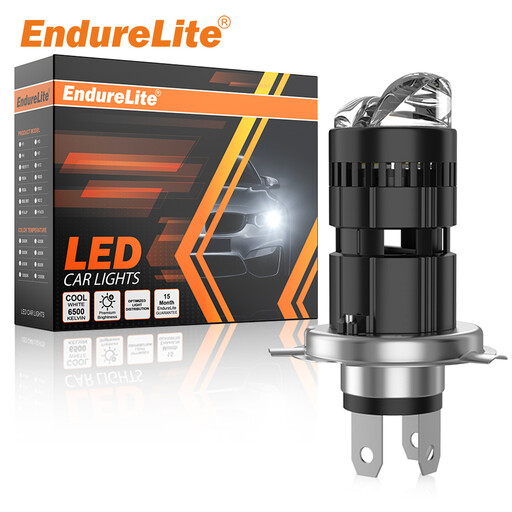
Why it suits this type of driver: A practical choice if you’re looking for an H4 bulb that combines dipped and main beam and is supplied without an external driver.
The 1:1 shape and plug-and-play design can make fitting easier. Check in advance that your car has an H4 fitting.
6000K cool white light, a stated lifespan of 50,000 hours and integrated cooling, according to the product description.
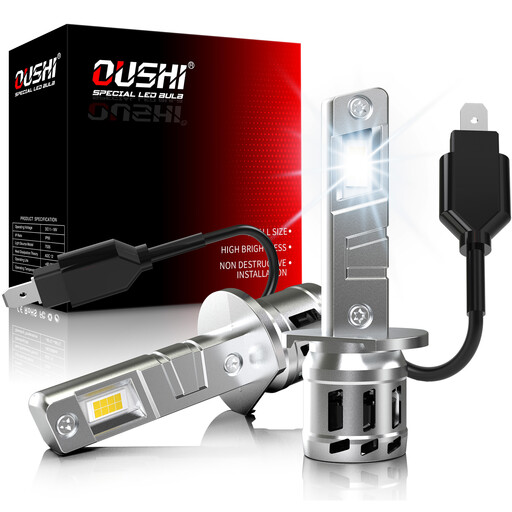
Why it suits this type of driver: Designed for drivers with an H1 fitting who value compact installation, cooling and CANbus support.
The stated 1:1 mini design helps reduce the risk of problems in a tight bulb housing. CANbus compatibility still depends on the vehicle.
6500K light, an aluminium housing, a fan for heat dissipation and a stated lifespan of up to 60,000 hours.
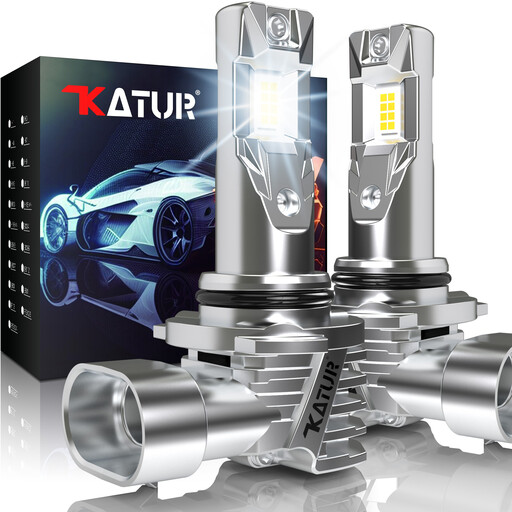
Why it suits this type of driver: Suitable for drivers with an HB4/9006 fitting who want a compact, fanless solution.
The fanless design avoids reliance on a fan and may be easier to fit in a confined space. Check that your car has an HB4/9006 connection.
6000K white light, an aluminium construction, IP water resistance according to the product description and plug-and-play installation.

Why it suits this type of driver: A model-specific solution for VW Golf MK7 and Golf 7.5 hatchbacks from the stated model range.
The product information explicitly specifies the model, body style and model range. Estate, three-door and some other versions are not included in the stated compatibility.
Set of two complete LED rear lights with functions for tail lights, brake lights, indicators, reversing lights and DRL.
We’ve put together a full, up-to-date list of products that meet these strict selection criteria and the applicable European safety regulations.
Switch off the lights and let old bulbs cool completely before you start. Wear gloves if possible, and avoid touching the LED chips. After fitting, check:
For complete car rear lights, professional fitting is advisable if you’re unsure about the seals, alignment or electrical connections. Also check the applicable Dutch regulations and MOT requirements for your vehicle and lighting function.
According to their product specifications, LED bulbs often use less energy for a comparable lighting function, but the exact consumption varies by fitting and model. Check the stated wattage rather than looking at the lumen figure alone.
Brands often state a lifespan of 50,000 to 70,000 hours. This is a product specification, not a fixed expectation for every car. Cooling, vibration, moisture and how long the lights are used can all affect their practical lifespan.
You can with some plug-and-play LED bulbs, provided the fitting and housing are suitable. Always check the beam pattern and look for warning messages after installation. If space is limited, the wiring is complex or you’re fitting complete rear light units, help from a garage can prevent unnecessary damage.
