
Vandaag of morgen in huis

Kwaliteit gegarandeerd

Welkomstaanbiedingen ontgrendelen: GRATIS bezorging | Tot 80% korting | Gratis 30 dagen JoyPlus-proefperiode
Download de app
Want to replace halogen bulbs with LED car bulbs? The choice may seem simple: pick a set with a high lumen count, 6000K white light and a plug-and-play connection. In practice, however, most problems are not caused by the LED technology itself, but by the wrong fitting, insufficient space or an incompatible vehicle system.
With this buying guide, the Joybuy Product Recommendation Officer filters the most important product information. This helps you see which specifications can be verified and which marketing claims should be treated with a degree of caution.
H1, H4, H7, H8, H9, H11 and HB3 9005 are not interchangeable designations. An H4 LED bulb, for example, combines dipped beam and main beam, whereas H7 generally supports a single lighting function. So first check your vehicle’s manual or read the code on the existing bulb.
A product described as “universal” will not automatically fit every headlamp. The fitting, connector, bulb base and available space must all match.
A high lumen figure sounds appealing, but it does not tell you everything about how the light is distributed on the road. The stated figure may refer to a pair of bulbs rather than a single bulb. The position of the LED chip, the reflector and the headlamp adjustment also determine how the light is actually formed.
According to the product descriptions of various brands, their LED headlamps can deliver between 18,000 and 26,000 lumens, for example. These are manufacturer claims, so always check exactly what has been measured and whether the beam pattern is suitable for your headlamp unit.
A plug-and-play car bulb usually does not require any changes to the wiring. This makes installation easier, but it does not automatically prevent error messages, flickering or limited installation space. Some vehicles monitor the bulb using a CANbus system. In that case, a CANbus LED bulb or an additional decoder may be required.
Also check whether a bulb with a fan will fit behind the dust cover. A fanless model is quieter and more compact, while a bulb with a fan actively dissipates heat, according to the product description.
Choose the bulb code already fitted to your car, motorbike, scooter or off-road vehicle. Common variants include:
With H4 bulbs, pay particular attention to the correct operation of both dipped beam and main beam. With LED fog lamps, a well-defined beam pattern is important to limit unnecessary glare for other road users.
6000K white light has a cool white appearance that looks noticeably different from the warmer light of a halogen bulb. 6500K is even cooler and may appear bluer. A higher Kelvin value does not automatically mean a higher light output.
For everyday driving, it is advisable to check not only the colour, but also the beam pattern, adjustment and legal approval of the bulb-and-vehicle combination. A retrofit bulb may fit technically, but may not be suitable for road use in every situation. If in doubt, consult the vehicle documentation, the manufacturer and the current Dutch regulations.
LEDs often use less energy than halogen bulbs for a comparable application, but they still generate heat. Pay attention to:
An IP rating describes the protection provided by the housing under specified conditions. It is not a guarantee that every bulb will remain waterproof in every installation position or after sustaining damage. Check that the seal, connector and rear of the bulb are fitted correctly.
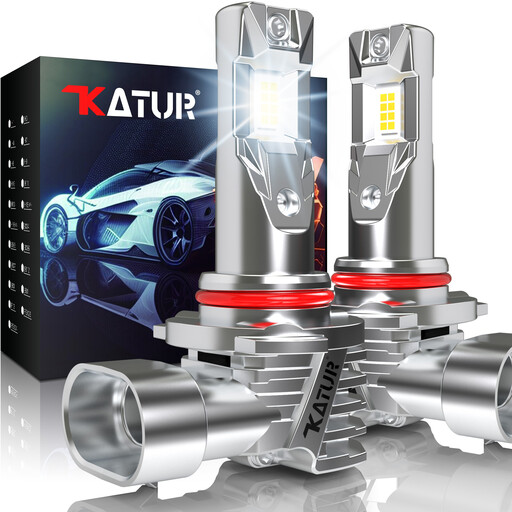
Why it suits this profile: This set is aimed at DIY users with an HB3 or 9005 fitting who are looking for a compact replacement without a separate driver or wiring harness.
The HB3 9005 model code and fanless mini design make the key compatibility points clear. However, check your vehicle’s fitting first.
6000K white light, aluminium housing, 360° light distribution according to the product description, and direct installation without an external driver.
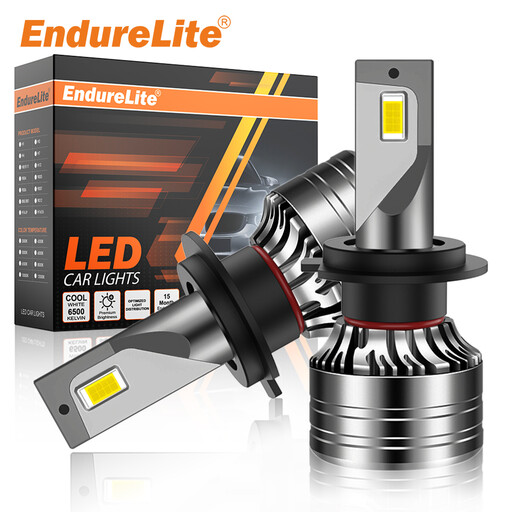
Why it suits this profile: This H7 set is aimed at motorists who want easy installation while also considering CANbus signals and protection against moisture.
The product description mentions a built-in driver, CANbus Ready and IP68. According to ENdureLite’s own information, this reduces the likelihood of error messages and flickering, but vehicle compatibility must still be checked.
H7 fitting, 6000K colour temperature, IP68 rating and active fan cooling according to the product details.
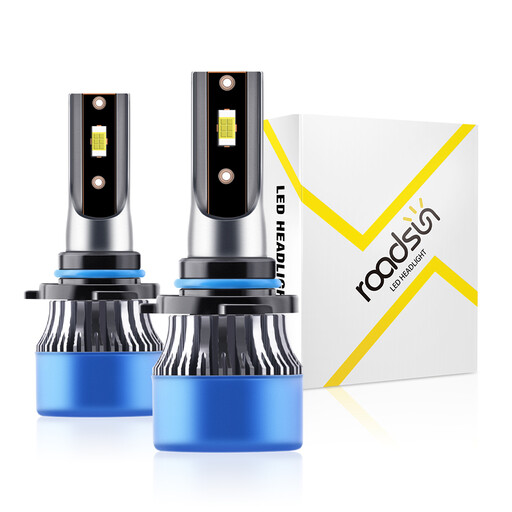
Why it suits this profile: A suitable choice for drivers of cars, motorbikes, ATVs or other vehicles with an HB3/9005 connection who need active cooling.
The fitting, fan and IP68 rating are listed in the product information. The stated performance and lifespan come from the brand description and should not be viewed as a universal guarantee.
IP68 water and dust protection according to the specification, a built-in fan and a plug-and-play connection for 9005/HB3.
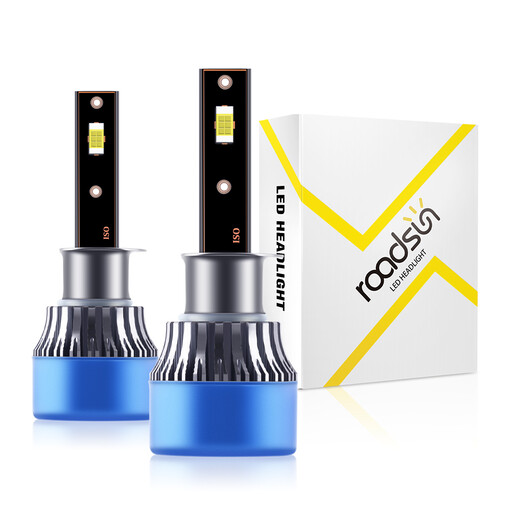
Why it suits this profile: For anyone looking for H1 LED bulbs for fog lighting and wanting to carry out the replacement themselves without modifying the wiring.
The H1 fitting and direct connection are clearly stated. Before buying, check whether your fog lamp unit uses H1 and whether the bulb fits behind the housing.
6000K white light, IP68 rating and an aluminium housing according to the product description.
We have put together a complete, up-to-date list of products that fully meet these strict selection criteria and the applicable European safety regulations.
Switch off the lights and allow old halogen bulbs to cool completely before you begin. If possible, wear gloves and avoid touching the light source unnecessarily. After installation, check:
Have the headlamps checked or adjusted after a retrofit if the beam pattern changes. This helps prevent distracting glare for oncoming drivers.
LEDs can use less electrical power than halogen bulbs for a comparable application. Actual consumption depends on the model and the vehicle’s electrical system. So look at the stated wattage per bulb or per set, not just the light output.
Some brands state a lifespan of up to 50,000 hours for certain models. According to information provided by ENdureLite and Roadsun, among others, this is a stated product specification, not a guarantee for every car or operating condition. Heat, vibration, moisture, voltage fluctuations and everyday use can all affect the lifespan.
You can if the fitting matches and the bulb is genuinely plug-and-play. Check the available space, connector and vehicle compatibility beforehand. If you encounter warning messages or flickering, or are unsure about the beam pattern, it is advisable to have the installation checked by a garage. As well as technical compatibility, check whether the chosen bulb combination is approved for road use.
