
Vandaag of morgen in huis

Kwaliteit gegarandeerd

Welkomstaanbiedingen ontgrendelen: GRATIS bezorging | Tot 80% korting | Gratis 30 dagen JoyPlus-proefperiode
Download de app
Would you like to replace halogen or HID lighting with LED car bulbs? A higher light output may seem like the main reason to buy. However, carrying out a thorough check beforehand is the best way to avoid spending money on bulbs that do not fit, trigger error messages or create an uneven beam pattern.
Watch out for these three common pitfalls:
Always start with the original bulb. An H4 LED bulb generally combines dipped beam and main beam in a single bulb. An H7 LED bulb usually has one lighting function. H1 LED bulbs are often used for headlamps or fog lamps, but the exact application varies by vehicle.
Checks are also important when replacing HID bulbs. D2S/R and D4S/R bulbs are intended for specific headlamp units. According to the product information, a D3S/D3R product may only be used in a headlamp unit originally designed for HID.
6000K LED car bulbs produce cool white light, while 6500K LED car bulbs may appear even whiter. However, Kelvin mainly indicates colour temperature, not automatically the total light output or suitability for foggy conditions.
A correct beam pattern is more important than simply choosing a high lumen figure. Check whether the LED chips are positioned in the same place as the filament in the original bulb. A 1:1 design can help replicate the original beam pattern, but have the headlamps checked after installation and realigned if necessary. This helps to reduce stray light and dazzle for oncoming drivers.
LED replacement bulbs produce less heat at the front, but the electronics and LED chips still need to dissipate heat. An aluminium housing, cooling fins or a built-in fan are therefore relevant specifications. Also check that there is sufficient space behind the bulb.
An IP67 or IP68 rating refers to protection against dust and water according to the product information. This does not replace correct installation of the sealing cap. CANbus error-free LED bulbs may reduce the likelihood of dashboard warnings, but “error-free” operation is not guaranteed for every car. Some European models require an additional decoder.
Also check the regulations. Not every LED retrofit is automatically permitted in every headlamp unit or for use on public roads. Check the vehicle documentation, the manufacturer’s information and the current requirements for MOT testing and use in the Netherlands. If in doubt, a garage or testing centre can assess the beam pattern and installation.
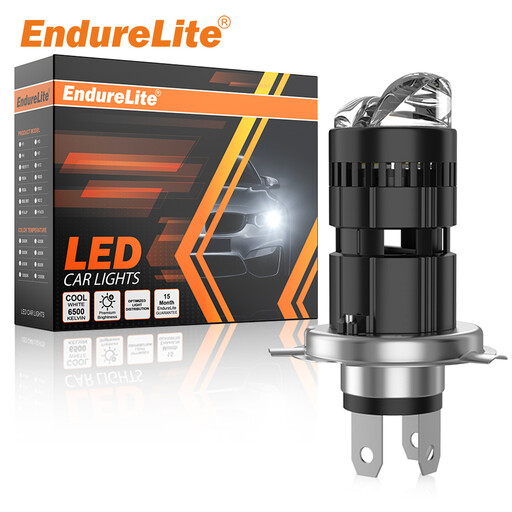
Why it suits this profile: This H4 bulb is designed for motorists looking for a straightforward replacement for combined main and dipped beam lighting. The manufacturer states a 6000K colour temperature, IP68 protection and a design with a built-in driver.
According to the product description, the 1:1 design is intended to provide a comparable beam pattern. However, check the vehicle fitting and available space beforehand.
H4 for main and dipped beam; plug-and-play according to the manufacturer; aluminium housing and built-in fan.
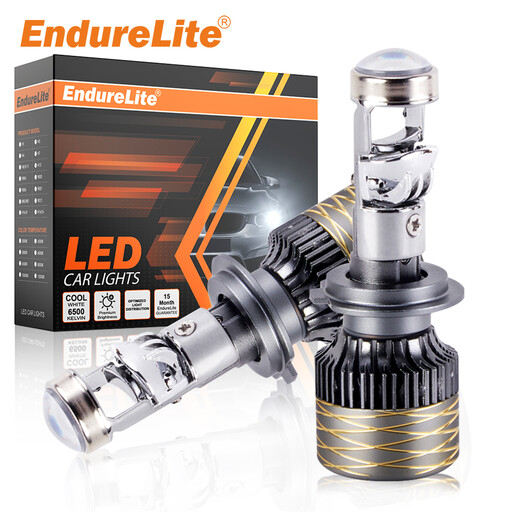
Why it suits this profile: Suitable for anyone looking for a set of H7 LED bulbs with a focus on cooling, water resistance and an even beam pattern. The product specification states 20,000 lumens, but figures like this come from the manufacturer’s description.
The manufacturer states that it has a 1:1 size, CANbus-ready design and built-in fan. Nevertheless, check whether your car requires a decoder.
Set of two; 6000K cool white; IP68 water resistance and plug-and-play installation according to the product information.
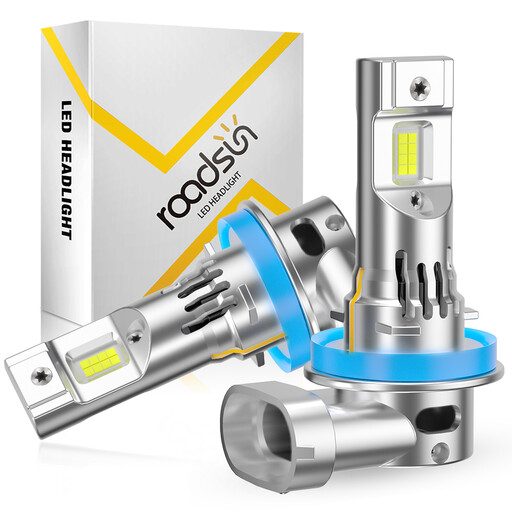
Why it suits this profile: This bulb is aimed at drivers of cars, SUVs or trucks with an H8, H9 or H11 fitting who want to replace headlamp or LED fog bulbs.
The 1:1 shape, non-polarity design and built-in driver help to minimise installation issues. According to the manufacturer, some vehicles may still require a CANbus decoder.
H8/H9/H11 compatibility; 6500K colour temperature; built-in 16,000-rpm fan according to the product description.
Switch off the lights and allow the old bulb to cool before you begin. With many plug-and-play LED bulbs, installation involves removing the old bulb and fitting the new one. Then check:
LED bulbs with a fan may produce a soft motor noise. Check that the fan can rotate freely and is not touching a cover. Do not touch the LED chips and, preferably, wear gloves during installation.
We have put together a complete, up-to-date list of products that fully meet these strict selection criteria and the applicable European safety regulations.
No, it depends on the type of retrofit, the headlamp unit, vehicle approval and current regulations. Check the vehicle documentation and MOT requirements. A bulb that physically fits is not automatically suitable for use on public roads.
Product pages often state figures of 50,000 to 70,000 hours. These are figures provided by the manufacturer. Practical service life depends on factors including heat, voltage, usage time, ventilation and moisture. Good cooling is therefore more important than simply choosing the highest figure on the packaging.
LED technology can use less electrical power than halogen for comparable lighting. Actual consumption varies by bulb and vehicle. Therefore, check the stated wattage rather than relying solely on the marketing term “energy-efficient”. Also bear in mind that a CANbus system may require additional load or a decoder.
