
Vandaag of morgen in huis

Kwaliteit gegarandeerd

Welkomstaanbiedingen ontgrendelen: GRATIS bezorging | Tot 80% korting | Gratis 30 dagen JoyPlus-proefperiode
Download de app
Switching to LED car bulbs seems straightforward: check the fitting, order a bulb and replace it. In practice, most problems only come to light after you’ve bought one. The bulb may not fit properly, trigger a dashboard warning or be unsuitable for use on public roads. Claims such as “500% brighter” don’t mean much if the beam pattern isn’t right for your headlamp.
This buying guide helps car drivers, motorcyclists, van owners and cyclists choose with confidence.
An H4 LED bulb, H7 LED bulb, H11 or HB3 9005 may physically fit the socket, but that doesn’t mean it’s suitable for every vehicle. The space available inside the headlamp, the lighting function and the vehicle’s software all play a part.
For some retrofit bulbs, you’ll need to check the manufacturer’s official compatibility list. For various OSRAM NIGHT BREAKER LED models, you must check the current list at osram.de/ledcheck. Make sure you check your vehicle model, lighting function and the country where you’ll be using the car.
A plug-and-play LED bulb may be easy to fit, but modern cars monitor the power consumption of their lights. Lower power consumption can trigger a warning, cause flickering or switch the light off. In some cases, you may need a CANbus LED bulb or an additional CANbus adapter.
Check the dimensions too. A bulb with a built-in fan, driver or heat sink may touch the dust cover. A compact 1:1 design can be more practical, but always check the space behind the headlamp.
A universal H15, H8, H9 or HB4 bulb may be described as having a high light output. That doesn’t mean it’s approved for use on public roads. Check whether the bulb has the relevant approval, such as ECE R37 or ECE R112, and whether that approval applies to your vehicle and lighting function.
A StVZO-approved bicycle light is primarily designed to meet German regulations. If you’re using it in the Netherlands, you’ll also need to follow Dutch traffic rules and fitting requirements.
Start by checking which bulb is currently fitted to your vehicle. Common types include:
Check the owner’s manual, the marking on the old bulb and, if necessary, your vehicle details. An H11 fitting doesn’t automatically mean every H11 bulb is approved for every application.
Many LED headlamps use 6000K LED lighting for a cool white appearance. A higher colour temperature doesn’t automatically make a bulb more suitable. Correct light distribution, a clear low-beam cut-off and the right positioning of the LED chips matter more.
Check the headlamp alignment after fitting. A poorly positioned bulb can dazzle oncoming drivers, even if the bulb itself has a quality mark or vehicle approval.
According to the product information, many LED models use less energy than halogen bulbs. However, lifespan depends on heat dissipation, vibration, how long the bulb is used and the conditions inside the headlamp housing. A built-in fan can help dissipate heat, but it also makes the bulb mechanically more complex.
Check:
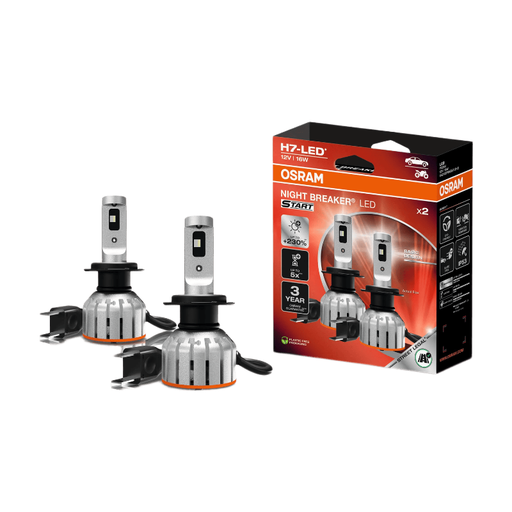
Why it suits this type of user: This H7 model offers an accessible way to switch from halogen to LED, provided your vehicle is on the official compatibility list.
The product information specifically says to check compatibility and any CANbus accessories in advance. According to OSRAM, the claim of up to 230% more light is based on a comparison with the minimum ECE R112 values.
6000K light colour, 12V connection, up to five times the lifespan of halogen according to the product information, and up to 60% lower energy consumption.
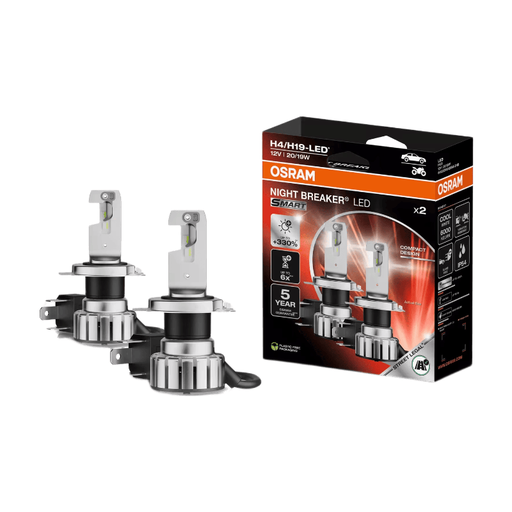
Why it suits this type of user: The H4/H19 combination is worth considering for vehicles where the fitting and official vehicle application need to be carefully matched.
The manufacturer doesn’t claim that it’s suitable for every vehicle. The product information requires you to check the OSRAM compatibility list and notes that professional fitting may be recommended.
H4 and H19 markings, H19 adapter included, 6000K light and up to six times the lifespan of conventional halogen bulbs, according to the product information.
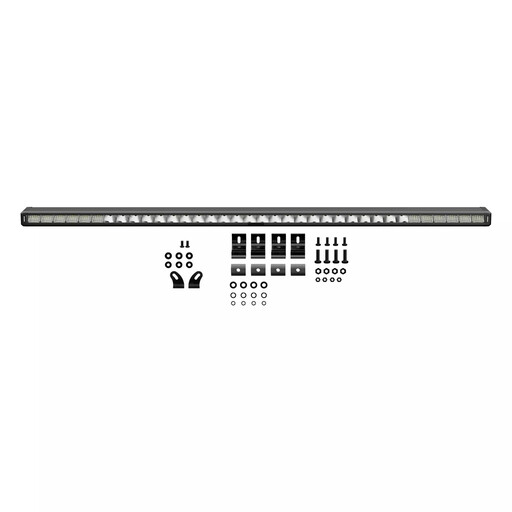
Why it suits this type of user: This OSRAM LED light bar is designed for vans, off-road vehicles, motorhomes and other vehicles that need extra driving lights.
The product information states that it has dual ECE R112 certification, but also notes that specific fitting instructions and local traffic rules still apply. Fitting and alignment require extra care.
12V/24V support, IP67 protection, a combo beam and a beam distance of up to around 523 metres, according to the product information.
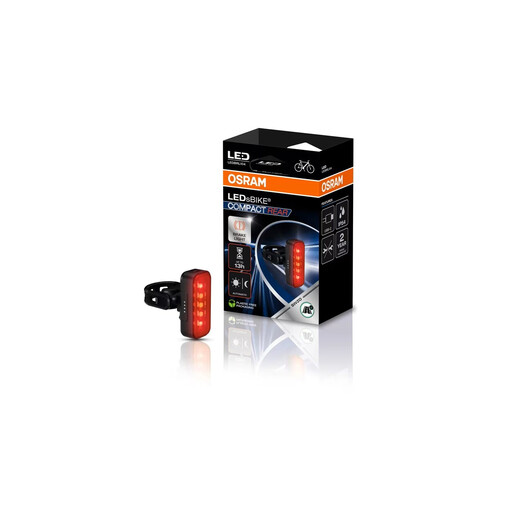
Why it suits this type of user: This LED bicycle light with a brake light is designed for city bikes, touring bikes, e-bikes and sportier bikes with a round seatpost.
The light has a seatpost mount and a stated StVZO marking. Check that your seatpost is round and accessible, though; integrated seatpost designs may not fit the stated requirements.
Rechargeable via USB-C, two light modes, a stated battery life of up to 13 hours and an automatic brake light function activated by an acceleration sensor.
We’ve put together a complete, up-to-date list of products that meet these strict selection criteria and the applicable European safety regulations.
It depends on the bulb, the vehicle, the lighting function and the relevant approval. ECE R37 approved is a different category from vehicle-specific retrofit approval under ECE R112. Check the product documentation and current Dutch regulations. A matching fitting alone doesn’t prove that a bulb is road legal.
No. According to the product information, some models are suitable for many compatible vehicles without an extra accessory. Other cars may still need a decoder. So check the compatibility list and look out for warning messages or flickering after fitting.
According to the product information for several of the models mentioned, energy consumption is up to 60% lower than with conventional halogen bulbs. Actual consumption depends on the specific bulb and vehicle. Check the stated wattage rather than relying on marketing claims.
