
Vandaag of morgen in huis

Kwaliteit gegarandeerd

Welkomstaanbiedingen ontgrendelen: GRATIS bezorging | Tot 80% korting | Gratis 30 dagen JoyPlus-proefperiode
Download de app
Replacing a light bulb seems simple—until you're standing in the aisle. Switching to LED lighting is a smart move for your energy bill and the environment, but the selection is overwhelming. Specifications like lumen, kelvin, and base type are thrown at you from all directions. This can lead to common purchasing mistakes. As a Joybuy Product Recommendation Officer, I'll help you cut through the marketing jargon and make the right choices based on facts.
Before we look at products, let's first discuss the pitfalls many people fall into:
To avoid these pitfalls, there are a few specifications you need to check. These aren't opinions, but objective product features that determine whether a bulb is right for your purpose.
The base is the part of the bulb that you screw or click into the fixture. If it doesn't fit, it's useless. The most common types are:
Always check the base of your old bulb or the fixture before buying something new.
This duo determines the atmosphere and functionality of your lighting.
Not every bulb is for everyone. Below, we match some popular choices to specific user profiles, based on their product features.
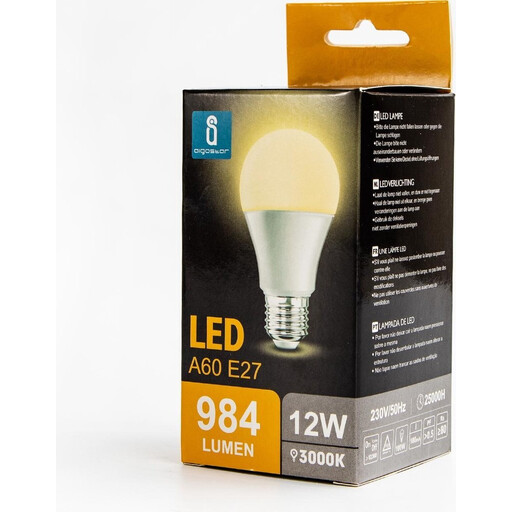
Why it's a match: This bulb is designed for those who want to create a warm, inviting atmosphere in their living room or bedroom. The E27 base fits most standard fixtures.
The color temperature is clearly specified as 3000K (warm light). No surprises with cold, uninviting light; you know exactly what atmosphere you're getting.
With 1170 lumens at a consumption of just 12W, this bulb offers a high light output comparable to a traditional 81W incandescent bulb, resulting in significant energy savings.
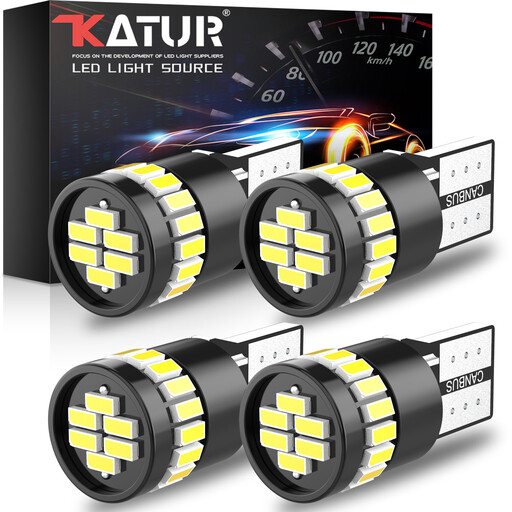
Why it's a match: For the DIY enthusiast who wants to replace their car's standard interior or license plate lighting with bright, modern white light.
These bulbs are specified as Canbus Error Free. This means they are designed to prevent error messages on the dashboards of most modern cars.
The T10/W5W base is a direct replacement for common automotive bulbs. Installation is typically 'plug and play', with no modifications required.
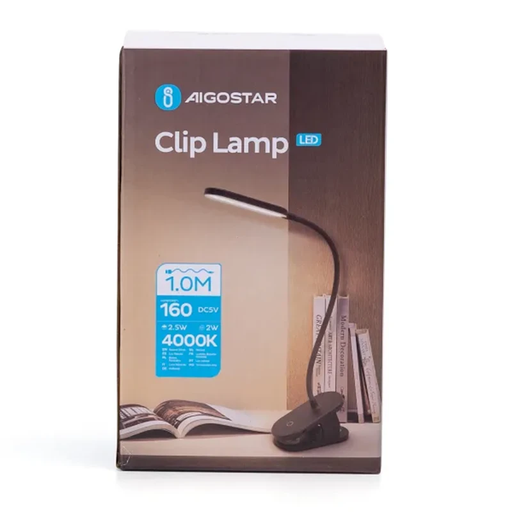
Why it's a match: Ideal for students, remote workers, or readers who need a flexible and portable light source without being tied to a power outlet.
This rechargeable clip-on lamp solves the problem of a fixed, cumbersome desk lamp. The color temperature of 4000K (neutral white) is specifically chosen for concentration and reading.
The built-in 1200 mAh battery and the flexible, adjustable arm offer maximum freedom. You can clip it to a desk, bed frame, or bookshelf and direct the light exactly where it's needed.
Especially for car lighting, making the right choice is crucial to prevent issues. Are you specifically looking for bulbs for your car?
We've compiled a complete, up-to-date list of products that meet these selection criteria and local regulations.
In most cases, yes, as long as the base (e.g., E27, E14) matches. Also, check if your fixture is suitable for LED. If you have a dimmer switch, you must buy a "dimmable" LED bulb specifically, otherwise the bulb might flicker or buzz.
An LED bulb uses up to 90% less energy than an incandescent bulb with a comparable light output. An 8W LED bulb that replaces a 60W incandescent bulb will save significantly on your energy bill over the bulb's lifespan. Furthermore, LED bulbs last much longer, so you also save on replacement costs.
Modern cars use a Canbus system to monitor the status of the lighting. Because LED bulbs consume much less power than halogen bulbs, the system may think the bulb is broken and display an error message on the dashboard. A W5W LED canbus bulb has a built-in resistor that prevents this, allowing the car to recognize the bulb as working correctly.
