
Vandaag of morgen in huis

Kwaliteit gegarandeerd

Welkomstaanbiedingen ontgrendelen: GRATIS bezorging | Tot 80% korting | Gratis 30 dagen JoyPlus-proefperiode
Download de app
Replacing a light bulb seems simple—until you're standing in front of the shelf. Switching to LED bulbs is a smart move for your energy bill and the environment, but the sheer number of options is overwhelming. A wrong purchase leads not only to frustration but also to unnecessary costs. Many people fall into the same traps: a bulb that fails after just a year, or lighting that completely ruins the atmosphere in the living room. As a Joybuy Product Recommendation Officer, I'll help you make the right choices based on facts, not marketing jargon.
Before we look at products, let's discuss two common pitfalls:
warm white light, but at home, the colour turns out to be cold and uninviting. The term 'warm white' is not standardised and can vary between brands. The result is lighting that doesn't match the desired atmosphere.To avoid these problems, it's important to pay attention to a few concrete specifications. These aren't complex technical details, but practical features that determine whether a bulb is right for your situation.
The fitting is the foundation. If it doesn't fit, the bulb is useless. The most common fittings in UK households are:
Always check the fitting of your old bulb before purchasing new LED lighting. The code is usually printed on the metal or plastic base of the bulb.
The atmosphere of a room is largely determined by the colour temperature of the light, expressed in Kelvin (K). Don't be misled by vague terms; look at the K-value:
warm white light. It creates a cosy, relaxed atmosphere similar to a traditional incandescent bulb. Ideal for living rooms and bedrooms.With energy-efficient bulbs like LEDs, wattage is no longer a good indicator of brightness. Wattage measures energy consumption, not light output. The correct measure is lumens (lm). As a rule of thumb, you can use the following comparison to replace your old incandescent bulb:
To help you get started, we've highlighted a few popular choices that suit different needs and interior styles.
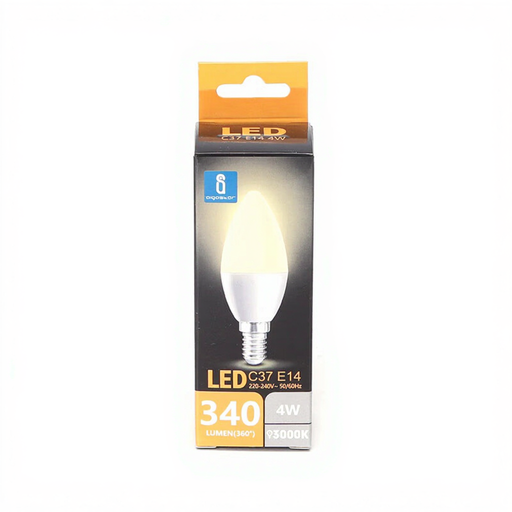
Why This Fits Their Persona: This candle-shaped E14 LED bulb is ideal for decorative fixtures like chandeliers or wall sconces. The 3000K colour temperature provides a bright, yet warm light that is perfect for spaces where atmosphere and functionality meet.
With a clear specification of 3000K, you know exactly what light colour you're getting, preventing the 'warm white' disappointment.
Highly energy-efficient with a consumption of just 4W. The candle shape (C37) is aesthetically suited for open fixtures.
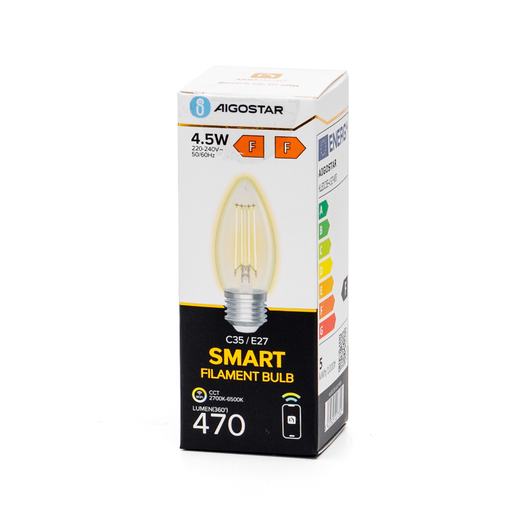
Why This Fits Their Persona: For those who love convenience and technology, this E27 LED bulb offers full control via an app. This form of smart lighting allows you to adjust the lighting without getting up, ideal for a modern and automated home.
Because you can set the light colour and intensity yourself via the app, you have complete control over the atmosphere and avoid a bad purchase in terms of colour temperature.
Simple installation via Wi-Fi and Bluetooth. According to Aigostar, the bulb has a lifespan of 15,000 hours.
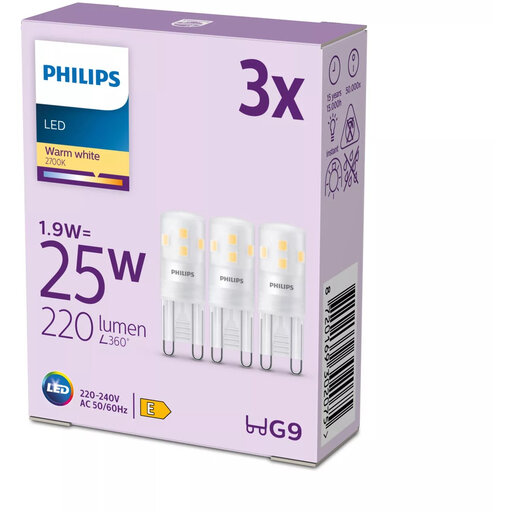
Why This Fits Their Persona: These G9 LED capsules from Philips are a reliable replacement for the small halogen bulbs in spotlights or under-cabinet lighting. They are designed for a long lifespan and immediate energy savings, hassle-free.
By choosing a well-known brand like a Philips LED bulb, you invest in a product where the quality of the components is generally better, reducing the risk of premature failure.
According to Philips, these bulbs have an average lifespan of 15,000 burning hours. The 220 lm light output is a good replacement for a traditional 25W capsule.
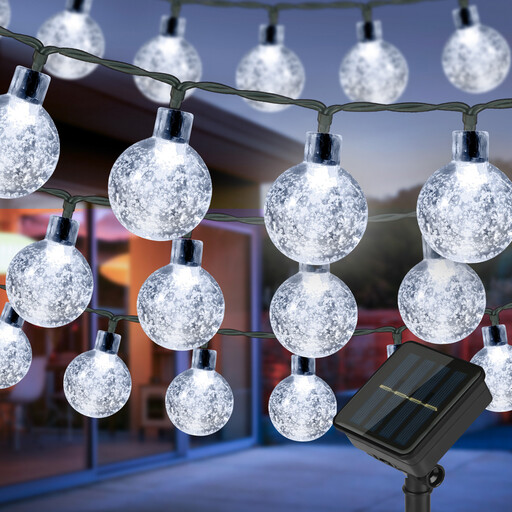
Why This Fits Their Persona: These outdoor string lights run entirely on solar power and are ideal for adding atmosphere to the garden, balcony, or patio without the hassle of cables. Perfect for long summer evenings or festive occasions.
As solar-powered outdoor lighting, this product avoids the complexity and cost of installing electricity in the garden. The automatic on/off function ensures worry-free use.
Waterproof design for use in all weather conditions. Offers 8 different light modes to customise the atmosphere.
We have compiled a complete, up-to-date list of products that fully meet these strict selection criteria and UK safety regulations.
A lifespan of 15,000 hours sounds abstract. In practice, with an average use of 3 hours per day, this equates to about 13 years. However, the actual lifespan heavily depends on the quality of the internal components and the conditions (such as heat dissipation in a closed fixture). A bulb from a reputable brand generally has a more reliable driver, which increases the chance of a long lifespan.
Yes. Since 2021, new, stricter rules for energy labels have been in effect. Many energy-efficient bulbs that previously had an A++ label now fall into category E, F, or G. This doesn't mean they suddenly consume a lot of energy. A G-rated LED bulb is still up to 85% more efficient than an old incandescent bulb and significantly more efficient than a halogen bulb.
No, this is a common mistake. A standard LED bulb cannot be dimmed and will flicker or buzz if you try. You need a bulb that is explicitly marked as "dimmable" on the packaging. Additionally, it is often necessary to install a special LED dimmer, as traditional dimmers do not always work well with the low wattage of LEDs.
