What should you consider when choosing?
Start with the capacity you need and where you’ll prepare the transfer. Then choose based on how often you’ll take the drive with you, and check that the recipient will be able to open the files.
| What to consider |
What to look for when buying |
Who is this important for? |
| Keeping a recoverable copy |
Keep a separate backup on another storage device, then open files from the transfer drive to check the copy. The NCSC also recommends testing backups in practice. |
If I need a separate, readable copy after handing over the files, I don’t want to rely only on the drive I’m giving away. Around 25% of consumers prioritise recoverability. |
| Authorised and secure transfer |
Where people are identifiable, check whether sharing the recordings is permitted and what security measures are appropriate. Agree how the recipient will receive any password and access the drive. |
If identifiable voices or images feature in the recordings, I want to check first whether I’m allowed to share them with the client and how access will be arranged. Around 20% of consumers prioritise confidentiality. |
| Capacity for the archive |
Add up the recordings and any other files to be included, then compare the total with the capacity of the model you’re considering. Remember that formatting reduces the available space. |
If I need to hand over a complete recording archive, I want to know in advance that all the files will fit on the drive. Around 25% of consumers prioritise having enough capacity. |
| Transferring files within the time available |
Check the connections and cables on both devices, and if possible, test the transfer using representative large files. Manufacturers’ maximum speeds aren’t guaranteed copy times. |
If there’s a deadline for the transfer, I want to know how long the files will actually take to copy using my devices. Around 15% of consumers prioritise transfer time. |
| Opening files at the recipient’s end |
Ask which device and operating system the recipient uses. Check the file format and, before handing over the drive, test that it and several files are accessible on their system. |
If the client needs to use the files straight away, I want to test them in advance on the system they’ll be using. Around 15% of consumers prioritise the recipient’s equipment. |
Joybuy products
These Joybuy products include portable HDD and SSD options for archiving and handing over lecture recordings.
 No image available
SanDisk Portable SSD 1TB
A portable SSD option for an archive that fits within the stated 1 TB capacity.
The product information lists read speeds of up to 800 MB/s; this isn’t a guaranteed copy time.
The product description states drop protection from heights of up to 2 m.
View at Joybuy
 No image available
WD Elements Portable 5TB USB-C, Graphite Black
A portable HDD option if you need more storage for a recording archive.
The product information lists 5 TB, USB-C and USB 3.2 Gen 1.
This model is listed as 2.5 inches and weighs 240 g. Check that the connection is suitable for both devices.
View at Joybuy
 No image available
WD My Passport Portable Hard Drive 6TB, white
A portable HDD option for a large archive that fits within the stated 6 TB capacity.
The product information lists USB 3.0 and automatic backup software.
The product description lists password protection and 256-bit AES hardware encryption. Agree with the client how they’ll unlock the drive; a security feature doesn’t automatically make a transfer permissible.
View at Joybuy
 No image available
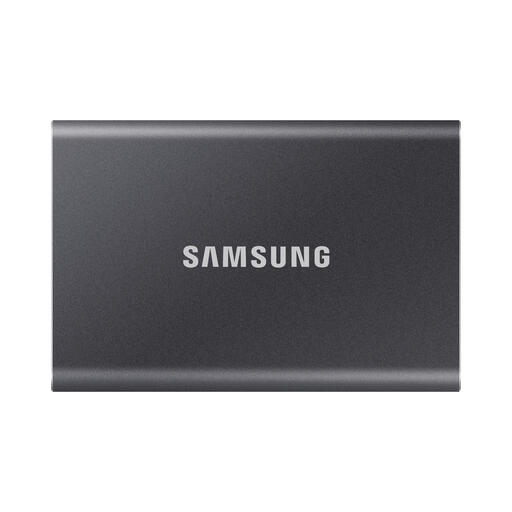
Samsung Portable SSD T7 2TB, USB Type-C, grey
A portable SSD option for transferring files when the stated 2 TB capacity is sufficient.
The product information lists USB Type-C 3.2 Gen 2 and AES 256-bit encryption.
The product description lists USB-C to USB-C and USB-C to USB-A cables as included. Check which type of connection and access the recipient needs.
View at Joybuy
 No image available
Samsung MU-PE1T0S Portable SSD 1TB, USB Type-C, black
A portable SSD option for an archive that fits within the stated 1 TB capacity.
The product information lists USB Type-C 3.2 Gen 2.
The product description lists IP65 dust and water resistance and drop protection from heights of up to 3 m. Check that this model suits the connections and working conditions for the transfer.
View at Joybuy
Frequently asked questions
How do I check a drive before handing over the archive?
After copying the files, open several recording files directly from the transfer drive, and test the separate backup too. The NCSC recommends checking backups by opening files in practice.
Should I format a new drive straight away?
No. First, check its existing file format and the recipient’s system. Crucial, for example, says the X9 is supplied as exFAT; reformatting erases the data already on the drive.
Is a manufacturer’s warranty the same as protection against losing recordings?
No. Keep separate backups of your recordings and treat warranty cover and data loss as different issues. For consumer purchases, the Dutch government explains that a manufacturer’s warranty supplements statutory warranty and that the retailer is the point of contact for a faulty product. For a business purchase, you’ll need to assess the applicable position separately.
Can I simply hand over recordings featuring identifiable participants to the client?
Not without assessing the specific circumstances. According to the Dutch Data Protection Authority, recordings in which someone is identifiable may be personal data. So check the purpose and conditions for sharing them. Whether a particular transfer is permitted depends on the recordings, agreements and roles of the people involved.
Is encryption required for every transfer drive?
The Dutch Data Protection Authority lists encryption as a possible security measure, not a fixed product requirement for every situation. If personal data is being processed, the security measures should be appropriate to the risk. So assess what protection is needed for this transfer.


