
Vandaag of morgen in huis

Kwaliteit gegarandeerd

Welkomstaanbiedingen ontgrendelen: GRATIS bezorging | Tot 80% korting | Gratis 30 dagen JoyPlus-proefperiode
Download de app
Dry, damaged or frizzy hair does not automatically need a heavy product. Good leave-in hair care should suit your hair type, the condition of your lengths and your daily routine. However, if you mainly rely on words such as “repair”, “protection” or “shine”, you can easily end up buying a product that is too greasy, runs out quickly or is unsuitable for colour-treated hair.
In this guide, you’ll learn what to look for in a leave-in hair serum for dry and damaged hair, which ingredients and packaging options are practical, and which type of product best suits your routine.
A serum can make the hair surface feel smoother, temporarily reduce frizz and add shine. It cannot permanently restore damaged hair fibres to their original condition. Claims about “repair” should therefore be understood as describing the hair’s appearance, manageability or feel.
Also consider the source of a claim. A brand’s own research may report certain results, but that does not automatically make them predictable for everyone. Instead, focus on verifiable information such as the ingredients, directions for use and suitability for your hair type.
Hair oil for dry hair is concentrated. Fine, straight or low-porosity hair can look heavy or greasy very quickly when you use several pumps. Start with a small amount and apply the product only to the lengths and ends. The scalp usually does not need serum for a smoothing styling effect.
Conditioner, hair masks and leave-in serums are designed for different uses. Conditioner or a mask usually needs to be rinsed out. A leave-in hair serum stays in the hair, making it suitable as a daily finishing touch, for easier detangling or as preparation before blow-drying. Always check the directions on the packaging.
A hydrating hair serum may contain plant oils, silicones, glycerine, panthenol or a combination of these ingredients. Oils such as argan oil, jojoba oil, macadamia oil and almond oil give the hair a smooth feel and extra shine. Silicones such as dimethicone can make the hair surface feel smoother and help reduce friction, but may not suit people who prefer to avoid silicones.
A cream is often useful for thick, curly or very dry hair. A lightweight oil or liquid anti-frizz hair serum is generally better suited to fine to normal hair. Check the full ingredients list if you are sensitive to perfume, limonene, linalool, nut oils or other fragrance ingredients.
A versatile serum can be used on towel-dried hair for styling and on dry hair as a finishing product. This is practical if you switch between blow-drying, air-drying and using hair oil for shine after styling.
However, be aware of the difference between a serum and a dedicated heat protectant. A product description may mention protection against drying caused by heat or external factors, but this does not automatically mean that it replaces a separate heat-protection spray. If you regularly use straighteners or curling tongs, it is sensible to use a product specifically designed for that purpose.
Capsules or twist-off softgels provide a fixed, small portion and are convenient for travelling. A bottle with a pump is quicker for daily use, but makes it easier to apply too much. Also compare the total contents: 25 capsules, 28 ml, 30 ml and 70 ml are not directly comparable. Check the recommended amount per application and the shelf life after opening.
For colour-treated hair, a hair serum for colour-treated hair is particularly practical when it does not need to be rinsed out and makes the hair smoother and easier to comb. Do not expect a guarantee that your colour will last longer; for that, follow the brand’s product information.

Why it suits this profile: The twist-off capsules provide a set portion and are easy to use on towel-dried or dry hair. The product description mentions natural oils, a vitamin complex and suitability for all hair types.
The capsules help prevent over-application. No rinsing is required, so you will not confuse this product with a conditioner or mask.
Leave-in formula, 25 twist-off capsules and oils such as macadamia, jojoba and argan oil according to the ingredients list.
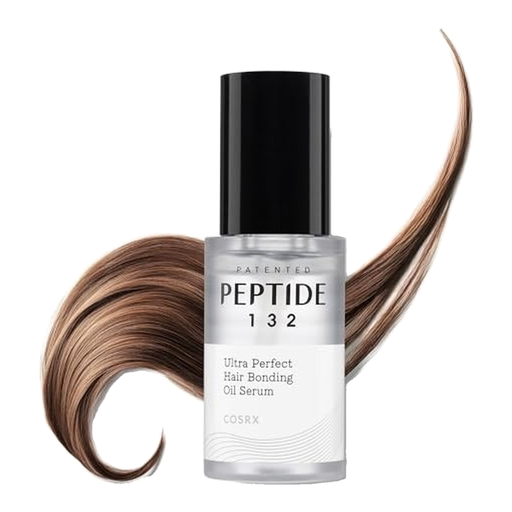
Why it suits this profile: According to the product description, this serum combines a peptide with silicones and seven plant oils. It is ideal if you want to address dryness, frizz and rough ends with one leave-in product.
The recommended dosage of 1 to 3 pumps allows you to adjust the amount to suit your hair length and porosity.
28 ml, suitable for use on damp or dry hair, with ingredients such as argan, jojoba, rice and macadamia oils.

Why it suits this profile: According to the product information, the formula is designed for colour-treated, dry, damaged and frizzy hair. The leave-in application is practical for a busy morning routine.
There is no need to schedule time for a rinse-out mask. Apply a small amount to the lengths and ends, so colour-treated hair does not become unnecessarily weighed down.
25 twist-off softgels, leave-in use, and panthenol, glycerine and dimethicone in the listed ingredients.
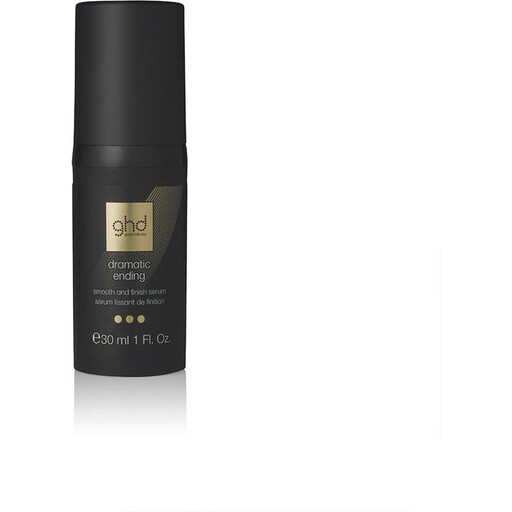
Why it suits this profile: This serum is designed as a finishing product for dry hair. It is a good choice if you mainly want to tame frizz and add extra shine after styling.
The instructions specify using a small amount and avoiding the roots. This reduces the risk of a greasy-looking finish.
30 ml, suitable for all hair types according to the product information, with a formula free from parabens and sulphates.
We have put together a complete, up-to-date list of products that fully meet these strict selection criteria and the applicable European safety regulations.
For curly hair, you can distribute the serum through wet or damp lengths and then scrunch. For fine hair, one drop or half a pump is often enough. Stop using the product if irritation occurs and avoid contact with the eyes. If you have allergies, always check the current label, as manufacturers may change the ingredients.
Yes, a leave-in serum can make dry hair feel smoother, softer and more manageable. The effect is cosmetic and temporary. For a complete routine, you can combine a gentle shampoo, conditioner or occasional mask with a serum for damaged ends.
This depends on your hair type and the formula. Daily use may suit dry, thick or curly hair when you use only a small amount. Fine hair often needs less. Start with a small amount on the ends and adjust the frequency if your hair feels heavy or greasy.
Hair oil usually consists mainly of oils and focuses on nourishment, softness and shine. A hair serum may also contain silicones, conditioning ingredients or a cream base to smooth the hair and control frizz. Read the ingredients list and choose according to your hair texture, the finish you want and your preference for natural or synthetic ingredients.
