
Cautious Linux beginner
You want to try Linux on your existing hardware before deciding whether you need to buy or install anything. Canonical/Ubuntu describes a live session as a way to try Ubuntu without changing your computer’s configuration.


If you want to get to know Linux first, try it on suitable existing hardware using a live USB; you don’t need to buy a new laptop straight away. For everyday use, you can choose a pre-configured Linux laptop or install Linux yourself, but check the exact configuration and distribution you want in either case. If you plan to use virtual machines, you’ll also need to reserve memory and storage for both your usual system and the guest environment.
You want to try Linux on your existing hardware before deciding whether you need to buy or install anything. Canonical/Ubuntu describes a live session as a way to try Ubuntu without changing your computer’s configuration.
You’re looking for a laptop with a clearly specified Linux installation and hardware configuration. Canonical/Ubuntu maintains a list of laptops certified for Ubuntu, while Linux providers also offer configurable models.
You want to run one or more guest operating systems alongside your usual system, so memory, storage and upgrade options matter. Oracle VM VirtualBox explains that a computer needs resources for both the host system and the guest operating system.
Choose this option if: you want to explore how Linux works on your own laptop and check that the features you need work properly.
Bear in mind: a successful live session doesn’t prove that every installation or distribution will work without issues. As Ubuntu advises, back up any existing hardware before installing.
Choose this option if: you want to use Linux every day and would rather leave the installation and configuration to the provider.
Bear in mind: check which distribution, components and keyboard layout are included in the configuration you choose.
Choose this option if: you want to learn how to install it yourself or keep your existing system for other study tasks.
Bear in mind: certification applies to specific models and configurations, not automatically to every device from the same brand. Check the exact hardware and back up your files first.
| What to consider | What should you check? | Who is this important for? |
|---|---|---|
| Linux compatibility | Compare the full model and its components with a certification listing or the provider’s chosen configuration. If possible, try existing hardware from a live USB first. | If I want to be sure that the exact laptop configuration works with my preferred Linux distribution, compatibility comes first; around 34% of consumers share this priority. |
| Memory and storage | Check the supplied RAM, available SSD space and any upgrade options against the guest operating systems you plan to use. | If I want to run virtual Linux environments alongside my usual system, I’ll consider the resources needed for both; around 22% of consumers prioritise capacity for virtual practice environments. |
| Study software and files | Check the software requirements for your course, decide whether you want to keep an existing system and back up your files before installing. | If I need to keep access to required study software or my files while learning, I’ll plan the installation first; around 22% of consumers prioritise keeping their existing study setup. |
| Taking it with you and your workspace | Compare the screen size, stated weight and ports you need with your workspace and how often you’ll carry the laptop around. | If I work in my room and take my laptop with me, I’ll weigh portability against workspace; around 22% of consumers give this balance the greatest importance. |
A certification listing or seller’s configuration applies to specific models and components. A brand name alone doesn’t confirm that the version you choose has been tested with your distribution.
Check the full model, the components you’ve chosen and your preferred distribution. Where possible, try existing hardware from a live USB first.
Checking the configuration and installation yourself can take time if problems arise.
Virtual machines need resources in addition to those used by the host system. A maximum RAM or SSD capacity doesn’t tell you how much comes as standard with the laptop you’ve chosen.
Check the final configuration and compare it with the guest operating systems you actually plan to run.
If the supplied capacity doesn’t suit your needs, you may need to upgrade it later.
According to NovaCustom, some programmes don’t have a Linux version. Ubuntu also recommends backing up your files before installing Linux on a computer you already use.
Check your course’s software requirements and back up your files before changing an existing installation.
You may need time to restore files or keep a second operating system available.
The Government of the Netherlands distinguishes between statutory warranty rights and additional cover. If a product is faulty, the retailer is your point of contact.
Compare the additional terms and ask what a paid warranty package includes. Keep those terms separate from your statutory rights against the retailer.
A Dutch provider of configurable laptops with your choice of GNU/Linux distribution, for anyone who would rather have the installation taken care of.
Offers configurable Linux laptops, including the Forseti 14, for anyone looking for a model with a Linux option.
A Linux-focused manufacturer with models including the InfinityBook Pro 14 - Gen10, for anyone weighing portability against potential upgrades.
A Dutch-language provider of configurable laptops, including the V54 Serie with coreboot, for anyone who also wants to explore firmware and component options.
Worth considering if you want to install Ubuntu yourself on a specific laptop model listed in Canonical/Ubuntu’s certification directory.
These laptops offer specific configurations to consider for learning Linux and, where relevant, running virtual practice environments. Before buying, check that the exact model is compatible with your preferred distribution; product names and configuration details don’t confirm compatibility.
 No image available
The stated memory and storage give you specific figures to consider if you’re thinking about virtual practice environments; check the requirements of the guest operating systems you plan to use.
Intel Core i3-1000NG4 processor, 16 GB DDR4 RAM, 1 TB SSD and a 16-inch screen.
Check that this exact version is compatible with your preferred Linux distribution.
 No image available
The stated configuration helps you weigh the available memory and storage against the systems you want to run alongside your host system; check Linux compatibility for this exact model.
16-inch screen, 64 GB soldered RAM, 2 TB SSD and Windows 11 Pro.
 No image available
Compare the stated memory and storage capacity with the requirements of your planned guest operating systems. Also check that this specific version is compatible with your preferred Linux distribution.
16-inch screen, 32 GB soldered RAM, 1 TB SSD and Windows 11 Pro.
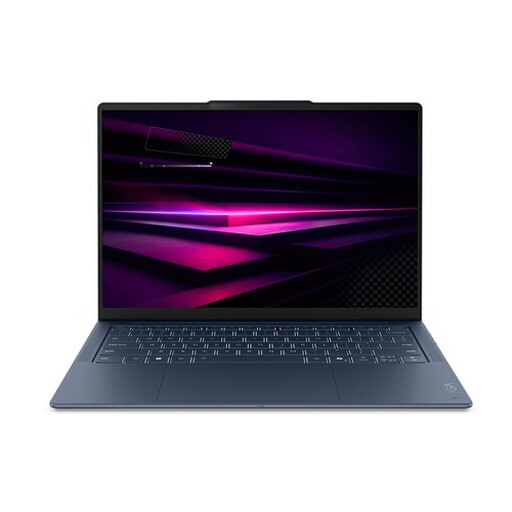 No image available
The stated weight is useful to consider if you’ll carry the laptop between your room and lectures; check the memory capacity against the guest operating systems you plan to use.
Snapdragon X2P-42-100 processor, 16 GB RAM, 512 GB SSD and 1,17 kg.
Check that the exact model is compatible with your preferred Linux distribution.
 No image available
The screen size and stated weight are useful points to consider if you plan to use the laptop both in your room and on the go; check that this exact version is compatible with Linux.
Ryzen 5 7535HS processor, 16 GB RAM, 512 GB SSD, 15,3-inch screen and approximately 1,50 kg.
The power adapter isn’t included; the product description states support for a 45–65 W USB-C PD adapter.
No. If you already have suitable hardware, you can try Ubuntu from a live USB without changing your computer’s existing configuration. Test the features you need; a successful trial doesn’t guarantee that every other distribution will work in the same way.
Back up your files first. Canonical/Ubuntu describes installing from a bootable USB stick and recommends making a backup when installing on hardware you’ve used before. Decide in advance how you want to keep your existing system.
It depends on the guest operating system and what you want to do at the same time. Fedora recommends 4 GB RAM for a good Fedora Workstation experience on its own; a virtual machine needs additional memory for the guest environment.
Not necessarily. The Government of the Netherlands explains that statutory warranty rights and additional cover are different, and that the retailer is your point of contact if a product is faulty. There’s no fixed statutory warranty period in the Netherlands, so check exactly what a paid package adds.
No, this doesn’t apply to every purchase. According to the Government of the Netherlands, many distance purchases from a business come with a 14-day cooling-off period. Check the terms that apply to your purchase before relying on being able to return it.