
Regular buyer of leafy greens
You often buy lettuce, spinach or other leafy greens and want a useful vegetable drawer and suitable refrigeration. A freshness claim doesn't replace storage guidance.


Start by considering the space available and the fridge capacity you need for your usual shopping. If you don't need a freezer, a fridge with a vegetable drawer may be enough, while an integrated freezer compartment takes up space that could otherwise be used for chilling. A dedicated freshness drawer may be worth considering if you often store vegetables, but the feature varies by model and doesn't replace storage guidance. Among appliances that fit your space, compare the stated energy consumption in kWh per year.
You often buy lettuce, spinach or other leafy greens and want a useful vegetable drawer and suitable refrigeration. A freshness claim doesn't replace storage guidance.
You want a fridge that fits in your kitchen, with a drawer that can hold the packs you usually buy.
As well as space for fresh vegetables, you need a freezer compartment, so you compare the fridge and freezer capacities separately.
The Netherlands Nutrition Centre recommends setting your fridge to 4 °C. So don't choose on the basis of a vegetable drawer or freshness feature alone: also consider the temperature and storage guidance for the vegetables you buy.
| What to consider | What should you check? | Who is this important for? |
|---|---|---|
| Vegetable drawer and refrigeration | Check the drawer layout and the features of the exact model; once installed, measure the temperature. | If I regularly buy different packs of leafy greens, I want to know whether they'll fit in the drawer and whether the fridge is set correctly. Around 33% of consumers prioritise practical vegetable storage and refrigeration. |
| Dimensions and fridge capacity | Measure the space where the fridge will go, then compare its net fridge capacity and drawer layout with your usual shopping. | In a small kitchen, I want enough room for my shopping without choosing an appliance that doesn't fit properly. Around 27% of consumers give suitable dimensions and fridge capacity top priority. |
| Freezer compartment or extra fridge space | Compare the fridge and freezer capacities separately, and check how much room is allocated to the vegetable drawer. | If I also want to freeze small amounts, I weigh that up against the fridge space available for fresh vegetables. Around 20% of consumers prioritise having a freezer. |
| Annual energy consumption | Compare the kWh per year shown on the energy label of models that fit your space. | Once a fridge meets my practical needs, I also want to take its stated annual energy consumption into account. Around 20% of consumers make energy consumption their top priority when choosing. |
For a model with a freezer compartment, the total capacity includes the freezer space too. The vegetable drawer also takes up only part of the fridge compartment.
Compare the separate fridge capacity and drawer layout with your usual shopping, and measure the space where the appliance will go.
A manufacturer's claim about freshness or texture doesn't replace storage guidance for opened or cut leafy greens.
Follow the guidance for the specific vegetable and packaging. The Netherlands Nutrition Centre recommends keeping pre-cut raw vegetables in a well-sealed container and setting the fridge to 4 °C.
The right size and the features you need still matter; an energy rating alone doesn't tell you the stated annual energy consumption of a specific appliance.
First decide on the layout and capacity you need, then compare the kWh per year for suitable models. Milieu Centraal warns that an oversized fridge can use energy unnecessarily.
The features and specifications mentioned apply to particular models or product ranges. Check the exact model and layout before choosing.
Inventum offers table-top models with and without a freezer compartment, including options for those looking to keep their use of space compact.
Some Bosch models have a VitaFresh drawer, which may appeal if you're specifically looking for a vegetable drawer with this feature.
The BioFresh range includes models with a Fruit & Vegetable-safe drawer for shoppers specifically looking for a vegetable drawer described by the manufacturer.
Beko offers fridge-freezers with a HarvestFresh vegetable drawer for those who also want a separate freezer compartment.
This selection includes compact fridges with and without a freezer compartment, as well as a fridge-freezer. Compare the fridge space and drawer layout with the amount of leafy greens you usually store.
 No image available
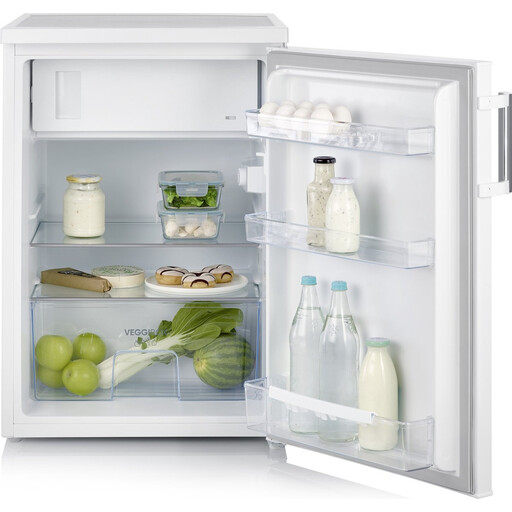
A vegetable drawer gives leafy greens their own space; bear in mind that the freezer compartment reduces the fridge capacity.
The product name lists a total capacity of 109 litres and a C energy label. The stated split is 95 litres of fridge space and 14 litres of freezer space.
 No image available
This table-top model combines a vegetable drawer with a freezer compartment. Compare the available fridge space with the amount of leafy greens you usually keep.
The product name lists a total capacity of 120 litres and a C energy label. The stated split is 107 litres of fridge space and 13 litres of freezer space.
 No image available
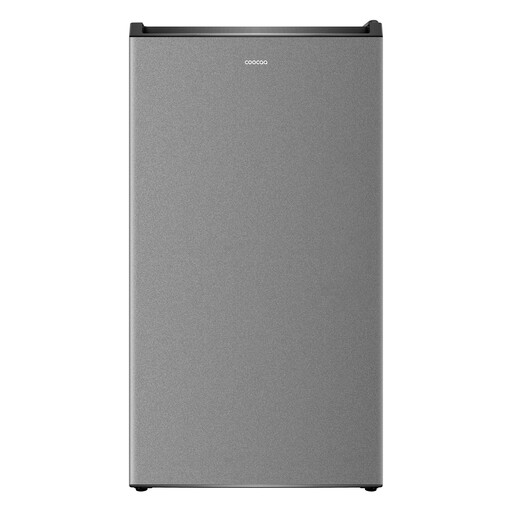
A compact fridge without a freezer compartment could suit you if you mainly want space for chilled shopping; the description mentions a separate vegetable drawer.
The product name lists 83 litres of fridge capacity and an E energy label.
 No image available
The vegetable drawer is designed to keep vegetables separate. Check that its layout suits the packs you store.
The product name lists a capacity of 92 litres and an E energy label.
 No image available
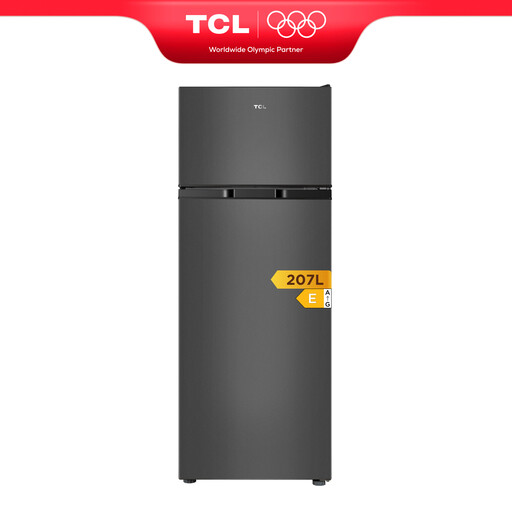
This fridge-freezer has a vegetable drawer and may suit you if you need freezer space as well as chilled storage for leafy greens. Compare the two compartments separately.
The product name lists a total capacity of 207 litres, split between 167 litres of fridge space and 40 litres of freezer space, and an E energy label.
Set the fridge to 4 °C, as recommended by the Netherlands Nutrition Centre. Place a fridge thermometer in the middle of the bottom shelf and leave it there for half a day or overnight. Adjust the setting if needed; temperatures can vary from one part of the fridge to another.
The Netherlands Nutrition Centre recommends keeping pre-cut raw vegetables well sealed in the fridge, preferably in their original packaging. For raw vegetables or leafy greens without dressing, its Storage Guide recommends a storage time of two days; also check the guidance on the packaging of the specific product.
Compare the stated kWh per year on the energy labels of models with a suitable capacity. Your actual electricity costs depend on your own tariff; the energy rating alone doesn't tell you what those costs will be.
Report the problem to the retailer. According to the Government of the Netherlands, the retailer must provide a solution if the product doesn't meet expectations. A manufacturer's guarantee or an extended guarantee is in addition to your statutory rights; in the Netherlands, your statutory rights don't automatically end after a fixed two-year period.
Yes, for domestic refrigeration appliances that fall within the applicable product category. The European Commission says that energy labelling and ecodesign requirements apply to these appliances. Check the energy label and product information sheet for a specific model; neither tells you how long leafy greens can be stored.