
Vandaag of morgen in huis

Kwaliteit gegarandeerd

Welkomstaanbiedingen ontgrendelen: GRATIS bezorging | Tot 80% korting | Gratis 30 dagen JoyPlus-proefperiode
Download de app
Getting through a full laundry basket seems simple enough, until white shirts turn grey, dark clothes come out of the machine looking faded or a stain is still visible after washing. When it comes to laundry detergents and fabric care, the right choice is about more than the brand or fragrance. The ideal combination depends on the fabric, colour, temperature and size of the load.
Marketing copy can sometimes make things more complicated. A product that cleans “powerfully” is not automatically suitable for wool. A scent booster may smell fresh, but it does not replace detergent. And a low price per pack tells you little if you need to use far more than expected.
A universal liquid detergent is convenient for everyday washing, but delicate fabrics need extra care. Wool, silk and baby clothes may have different requirements from cotton or synthetic fabrics. Always check the care label and the instructions on the packaging.
A 1.5-litre bottle may seem good value, but the number of washes is more important when comparing products. At Home Universal, for example, states that 1.5 litres provides 42 washes. With another product, the recommended dose may vary depending on water hardness, load size and how dirty the laundry is.
A fabric conditioner, laundry scent booster or fabric refresher can add fragrance, but it is not a substitute for detergent. A fabric refresher is intended for dry fabrics and may help neutralise unpleasant odours, according to the product description. Stubborn stains are more likely to need a stain remover or stain-removing powder.
Start by choosing the right product type:
Pay attention to product combinations. For example, do not use oxygen stain-removing powder on wool, silk or leather without checking first. G'woon Oxi Stain Remover explicitly states that it is not suitable for wool, silk or leather. Testing colourfastness on an inconspicuous area is still advisable.
In Dutch households, laundry is often washed at 20, 30 or 40 °C. Check that the product is suitable for these temperatures. At Home colour detergent states a range of 20 °C to 60 °C and recommends 35 ml for a normal load; the dose should be adjusted for larger or heavily soiled loads.
Do not automatically use extra detergent. Too much can leave residue behind and increase the cost per wash. Follow the instructions on the packaging and take into account:
Read the hazard information before buying. Some stain removers can cause skin or eye irritation and may be harmful to aquatic life. Keep detergents and pods out of the reach of children and pets. Laundry pods should go directly into the drum and must not be cut open or stored somewhere damp.
Claims such as “hypoallergenic”, “biodegradable” or “dermatologically tested” are not a universal guarantee for every user. Check the specific product information and packaging. Robijn, for example, states that its formula has been dermatologically tested; this is a claim made by the brand, not an assessment of whether it is suitable for you personally. If in doubt, check the ingredients list and choose an unfragranced option if that is better suited to your household.
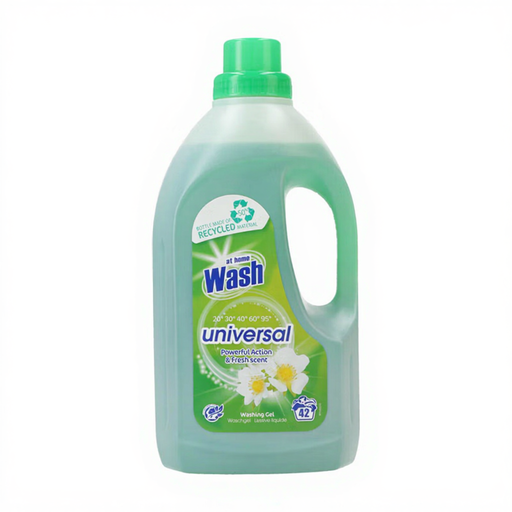
Why it suits this profile: A versatile liquid detergent for households that mainly wash cotton, synthetic fabrics and mixed loads.
The product information states that it provides 42 washes and says the dose should be adjusted according to water hardness and how dirty the laundry is. This makes it easier to compare running costs more realistically.
1.5-litre capacity, suitable for different types of fabric and usable in the washing machine.
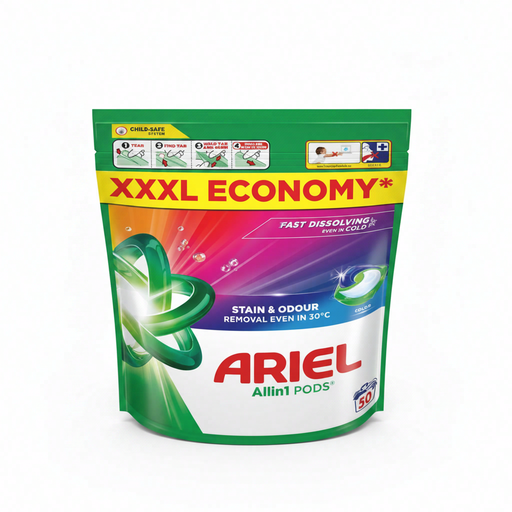
Why it suits this profile: Convenient for anyone who regularly washes coloured laundry and wants a consistent dose without using a measuring cap.
The product description states that you should use one pod per wash and that it can be used from 30 °C. However, check the load size and store pods somewhere dry and sealed.
50 washes according to the product listing, plus a pre-dosed capsule for coloured laundry.
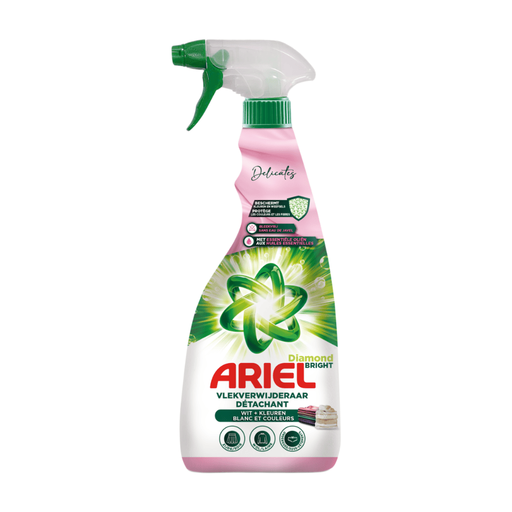
Why it suits this profile: Suitable for households that want to pre-treat stains directly, including on delicate fabrics mentioned in the product information.
The description states that the formula is bleach-free and should be left to work for no more than five minutes. Even so, test it on an inconspicuous area first and follow the care label.
750 ml spray, suitable for targeted application and, according to the product information, for white and coloured clothing.
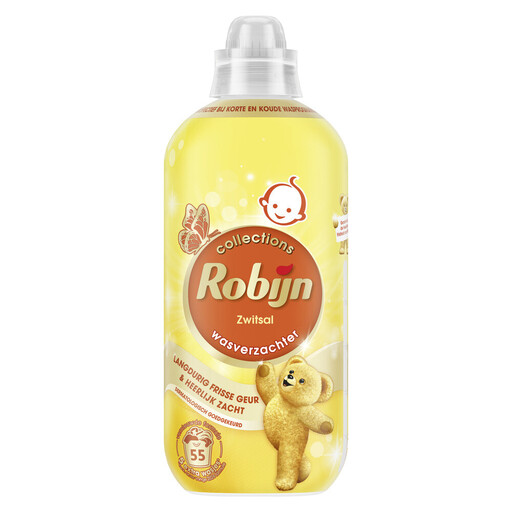
Why it suits this profile: For anyone who values soft-feeling fabrics and a familiar fragrance after washing.
According to the product information, the concentrated formula requires only a small capful. Measure carefully and pour fabric conditioner only into the correct compartment.
1.1-litre capacity and a concentrated formula, according to the product information.
We have put together a complete, up-to-date list of products that fully meet these strict selection criteria and the applicable European safety regulations.
For white laundry, consider a suitable stain-removing powder or a product designed for whites. Use a colour catcher when washing different colours together, but do not treat it as a substitute for sorting.
That depends on the price per pack and the number of washes. Liquid detergent allows you to adjust the dose. Laundry pods are easier to dose in advance, but one pod is not automatically enough for every load. Compare the cost per wash and follow the instructions on the label.
Check the expiry or usage information on the packaging. Store liquid detergent somewhere cool and dry, away from direct sunlight. Pods must remain sealed and dry. A change in appearance, a strong or unusual odour, or damaged packaging is a reason not to use the product without further checks.
Not always. Fabric conditioner belongs in the compartment provided, not directly on clothing. Check the care label, especially for sportswear, towels, microfibre and technical fabrics. When using baby detergent or products for sensitive skin, it is advisable to read all the ingredients and safety information before trying a new combination.
