
Vandaag of morgen in huis

Kwaliteit gegarandeerd

Welkomstaanbiedingen ontgrendelen: GRATIS bezorging | Tot 80% korting | Gratis 30 dagen JoyPlus-proefperiode
Download de app
Large, heavy plastic bottles of laundry detergent that consist mostly of water. It's a familiar sight in many households. You pay for the product, the plastic, and the transportation of water. More and more people are looking for a smarter alternative and are discovering laundry strips. But in a market full of green claims, it's difficult to determine which products live up to their promises.
Before you make the switch, it's wise to know the common pitfalls. Many consumers are disappointed by detergent sheets that don't dissolve completely, leaving a sticky residue on clothing. Another pitfall is vague "eco-friendly" marketing. A product might be labelled as a plant-based detergent but still come in excessive plastic packaging or contain unclear ingredients. This guide will help you avoid these problems and make a choice that suits both your laundry and your budget.
To avoid a bad purchase, there are a few key specifications you should check. These determine the effectiveness and ease of use of eco-friendly laundry strips.
The power of laundry strips lies in their ultra-concentrated, solid form. Unlike liquid detergent, which can contain up to 90% water, detergent sheets offer pure cleaning power without unnecessary weight and volume. This makes them an excellent choice for sustainable washing.
plastic-free detergent.A common complaint is that strips don't dissolve properly. This often happens with lower-quality products, especially in low-temperature washes.
plant-based detergent has a clear ingredient list. Look for terms like "plant-based surfactants" and "natural enzymes." Avoid products with unnecessary fillers or harsh chemicals, especially if you have sensitive skin.Not everyone has the same needs. Below are some popular choices, tailored to specific situations.
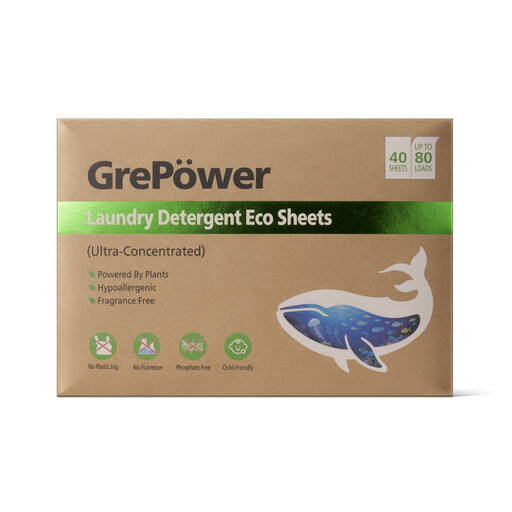
Why This Fits Their Persona: Ideal for those who want a compact lifestyle, travel, or go camping. These laundry strips are liquid-free, ultra-lightweight, and take up no space. Perfect for carry-on luggage or a small dorm room.
This product directly tackles the 'water and plastic' pitfall. The packaging is minimalist, and you only pay for the active detergent. According to the manufacturer, the strips dissolve completely, which prevents the problem of residue.
Ultra-concentrated: 40 sheets are good for up to 80 loads. Plant-based ingredients: Formulated with plant-based surfactants and natural enzymes.
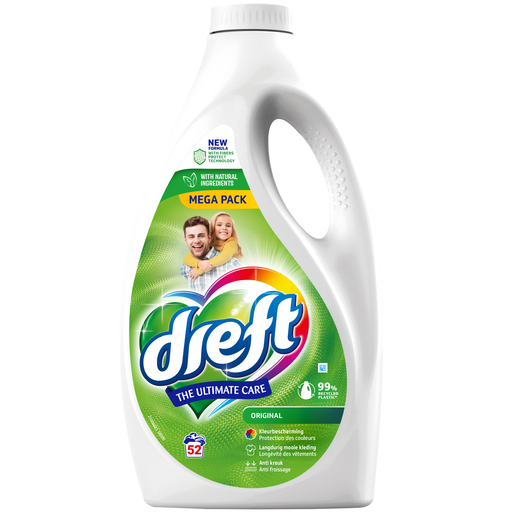
Why This Fits Their Persona: For those who want to wash more sustainably but find the switch to strips too big a leap. This concentrated liquid detergent offers a familiar experience with a lower environmental footprint than traditional detergents.
Although it's still a liquid, the concentrated formula partially addresses the problem of 'paying for water.' You need less product per wash. According to the manufacturer, the bottle is made from 99% recycled plastic.
Concentrated formula: Good for 52 loads, which reduces consumption. Colour and fibre protection: Helps keep clothes looking new for longer.
We have compiled a complete, real-time list of products that fully satisfy these strict selection criteria and UK safety regulations.
Using them is simple. Place a strip directly into the drum of your washing machine, either on top of or underneath your laundry. Follow the dosage instructions on the packaging: usually, one strip is sufficient for a normal load. For a small load, you can tear a strip in half, and for a very full or heavily soiled load, you can use two strips. The strip dissolves automatically during the wash cycle.
Yes, most high-quality laundry strips are designed to be effective at all temperatures, including cold wash cycles of 20°C or 30°C. This is a significant advantage, as washing in cold water saves energy and is better for the longevity of your clothes. Always check the product information to ensure the strips you choose are suitable for cold washing.
In general, laundry strips have a significantly lower environmental impact than traditional liquid detergents. The main benefits are:
Choosing a plastic-free detergent in the form of a strip is therefore a concrete step towards a more sustainable household.
