
Vandaag of morgen in huis

Kwaliteit gegarandeerd

Welkomstaanbiedingen ontgrendelen: GRATIS bezorging | Tot 80% korting | Gratis 30 dagen JoyPlus-proefperiode
Download de app
Laundry powder seems simple: measure it out, pop it in the drawer and start the machine. Yet many households end up buying a product that doesn’t suit their laundry, water hardness or skin preferences. A colour detergent with bleaching agents can make colours fade faster. A white detergent isn’t automatically suitable for wool or silk. And a large pack doesn’t tell you much about the number of washes if the recommended dosage is high.
The same goes for stain remover powder and cleaning powder – it’s easy to make a misstep. An oxygen bleach is designed for specific uses, not every fabric. Scouring powder can damage surfaces if you rub too hard. With the points below, you can compare laundry powder and other powdered cleaners based on verifiable information.
Don’t just compare the weight. Look at the recommended amount per wash. This often depends on:
A 1.15 kg pack, for example, can give very different costs per wash depending on the dosage. Always use the table on the pack and avoid overdosing. More powder doesn’t automatically mean cleaner laundry; it can actually leave extra residue behind.
Terms like hypoallergenic, dermatologically tested and fragrance-free detergent are product claims. According to the product information from Neutral, the Neutral laundry powders are fragrance-free, dye-free and hypoallergenic. That can be a relevant choice for households that want to avoid perfumes or colourants, but it’s no guarantee that everyone will tolerate the product without issues.
Always check the ingredients list. Pay particular attention to perfume, enzymes and known fragrance allergens. If skin problems persist, it’s wise to seek medical advice; a detergent doesn’t replace treatment.
A white detergent or stain remover with oxygen bleach isn’t intended for every fabric. The product information from Vanish mentions restrictions for wool, silk, leather, coated materials and clothing with metal parts, among others. A colour detergent without bleaching agents is more logical for coloured clothing, but always check the care label there too.
Scouring powder works through a combination of cleaning agents and abrasive particles. Only use it on surfaces that are suitable for it. If in doubt, test it on an inconspicuous spot first and rinse thoroughly afterwards.
First, choose your goal:
The label lists, among other things, anionic and non-ionic surfactants, enzymes, zeolites, oxygen bleaches, perfume or preservatives. This information helps you compare products.
For Vanish products, the product information mentions sodium percarbonate as the oxygen bleach and a warning for serious eye damage or skin irritation. Wear the specified eye or skin protection when using intensively. Keep all powders out of reach of children, store them in a dry place and close the pack properly.
A clear dosage table is more important than a flashy marketing claim. Witte Reus, for example, states different amounts for light, normal and heavy soiling, and for soft, medium or hard water. According to its product information, Persil Non Bio recommends a dosage of 50 grams for a 4 to 5 kg load with average soiling and medium water hardness.
Also use the care label on your clothing as a guide. Not every fabric can handle the same temperature, bleach component or pre-treatment.
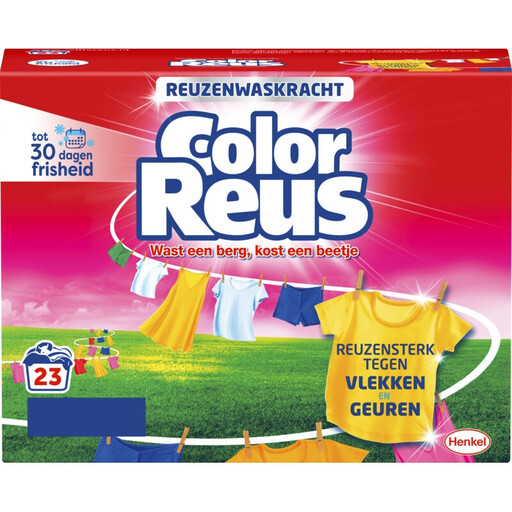
Why this fits the profile: A practical choice for everyday coloured laundry, with a dosage table for different load sizes, soiling levels and water hardness.
The dosage information helps prevent overdosing. Do check the current packaging and don’t use it for white laundry when a different type of detergent is needed.
1.15 kg content; information for soft, medium and hard water; perfume and fragrance allergens are listed in the ingredients.
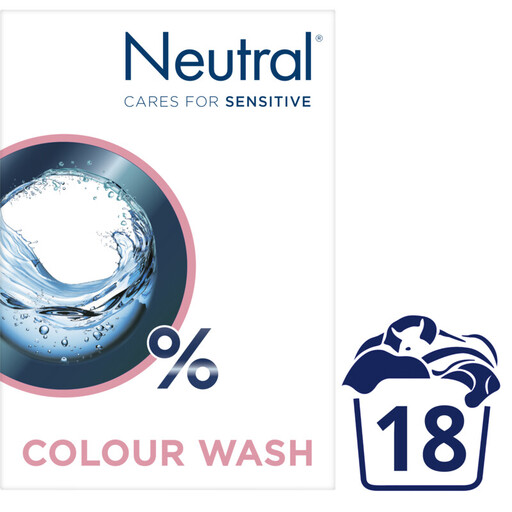
Why this fits the profile: Suitable for households looking for a fragrance-free and dye-free detergent for coloured laundry.
The product information states 0% perfume and 0% dyes. This makes the composition verifiable rather than relying on a general claim.
1.188 kg content; according to the product information, hypoallergenic and dermatologically tested; suitable for coloured laundry.
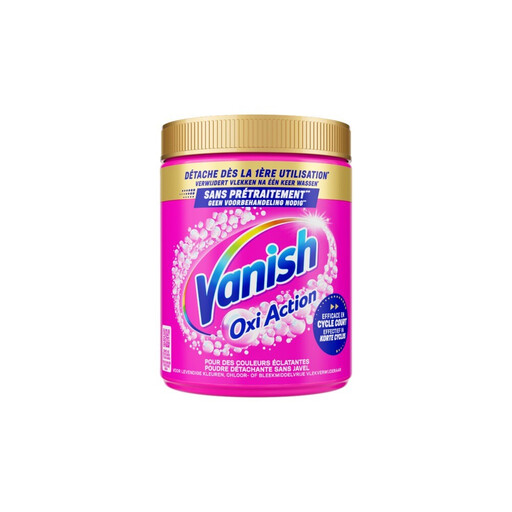
Why this fits the profile: A supplement for households that regularly treat stubborn stains on coloured clothing.
The instructions give separate dosages for washing, soaking and pre-treatment. Do not use on wool, silk, leather or coated materials.
Oxygen bleach and enzymes; can be used on coloured laundry according to the product instructions; maximum soaking time and temperature are specified.
We’ve put together a full, up-to-date list of products that fully meet these strict selection criteria and comply with current European safety regulations.
That depends on the formula and your personal sensitivity. Look for terms like fragrance-free, dye-free and hypoallergenic, but also check the full ingredients list. The label “dermatologically tested” is a product information claim, not an individual guarantee.
Follow the expiry or storage information on the pack. Keep the powder cool, dry and well sealed. Moisture can cause clumping and make dosing more difficult. For stain removers and machine cleaners, the manufacturer may state a recommended period of use.
That’s not automatically the case. Compare the price per wash based on the recommended dosage, content and number of washes. Also take water hardness and the level of soiling into account. A product with a higher purchase price can work out more favourable if the dosage per wash is lower.
