
Vandaag of morgen in huis

Kwaliteit gegarandeerd

Welkomstaanbiedingen ontgrendelen: GRATIS bezorging | Tot 80% korting | Gratis 30 dagen JoyPlus-proefperiode
Download de app
White clothes can start to look grey, yellow or dull over time. This isn’t just down to the detergent. Using too much detergent, overfilling the drum, colour bleeding and washing at the wrong low temperature all play a part. What’s more, if you only go by terms like “brilliant white” or “extra power”, you won’t always pick a product that suits your own laundry routine.
This buying guide lets you compare laundry detergent for white clothes, whitening detergent and additional stain removers on their practical features. That way, you can avoid a bad purchase and make a more informed choice between powder, liquid detergent, capsules or an oxygen-based product.
A stain remover is usually intended as a supplement to your regular detergent. A powder with oxygen bleach can help with stubborn stains or grey white laundry, but it doesn’t automatically replace your main detergent. So check whether the product is meant for the main wash, pre-soaking or spot treatment.
White cotton towels can often be washed differently from a synthetic blouse. Wool, silk, leather, clothing with metal and some coated fabrics are not suitable for oxygen bleach or regular whitening detergents. The care label on the garment should always be your guide.
More detergent doesn’t automatically mean cleaner clothes. A high dosage can leave residue on fabric and in the machine. Pay attention to the amount of laundry, the level of soiling and the water hardness. Some products list an extra dosage for hard water; always follow the label.
An oxygen bleach for clothing is often based on sodium percarbonate. This ingredient appears in various whitening powders and boosters. According to product information from Vanish and g’woon, these products are intended for white textiles, but not for wool, silk and leather, among others. Some products also warn against prolonged soaking of flame-retardant fabrics or textiles with metal parts.
Do not use powder without reading the safety information. Products with oxygen bleach can cause eye damage or skin irritation. For intensive use, consider wearing protective gloves and close the packaging after use.
Check before you buy:
For white laundry, sorting is at least as important as the product. Don’t wash white textiles with dark or new coloured clothing. Don’t overload the machine: water and detergent need to reach the fibres.
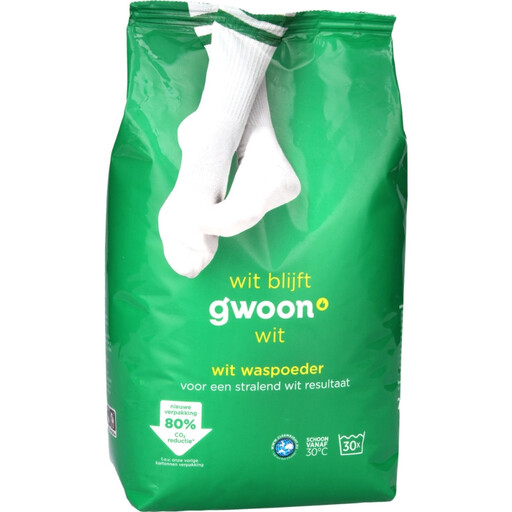
Why this fits the profile: The compact size is practical if you want to try a whitening detergent first or don’t wash white laundry very often. According to the product description, the powder is intended for white fabrics such as cotton, linen and synthetic materials.
The ingredients list includes sodium percarbonate and enzymes, among others. This lets you see exactly which components contribute to cleaning and whitening, rather than relying on a marketing claim alone.
Powder form; 250 grams; according to the product information, paraben-free, vegan and dermatologically tested.
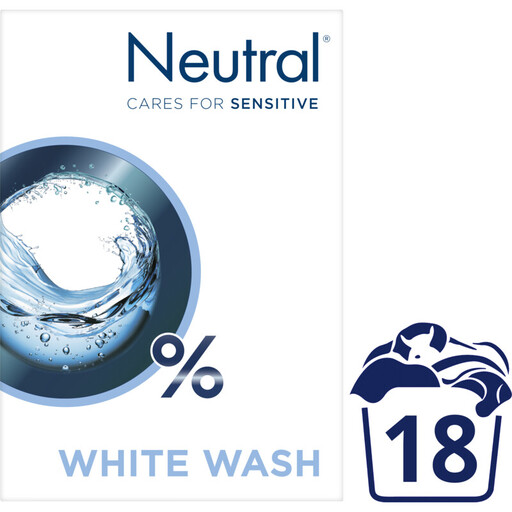
Why this fits the profile: This suits households that pay attention to fragrances and colourants in their detergent. According to the product information, the powder is fragrance-free, colourant-free, hypoallergenic and dermatologically tested.
The composition and warnings are clearly listed. Always check the current label, especially if you are sensitive to specific ingredients.
1.188 kg content; oxygen bleach and enzymes listed; no perfume and no colourants according to the product description.
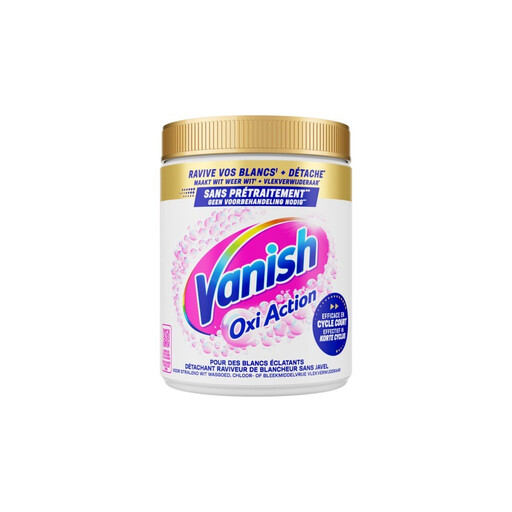
Why this fits the profile: Suitable for anyone who regularly needs to remove stubborn stains or wants to soak white clothing. According to the product description, it can be used in the wash, as a soaking agent or as a pre-treatment.
The product information lists specific dosages: half or a full scoop depending on the wash, plus instructions for soaking and pre-treatment. Only use it on suitable white fabrics.
960 grams powder; oxygen bleach based on sodium percarbonate; suitable for cotton and synthetic white laundry according to the product description.
We’ve put together a full, up-to-date list of products that fully meet these strict selection criteria and comply with current European safety regulations.
An oxygen-based product can help with grey discolouration and stubborn stains, but the result depends on the type of stain, the fibre, the temperature and the treatment time. Brand claims about whiteness or stain removal are based on their own product information; don’t take them as a guarantee for every garment.
That depends on your laundry routine. Powder for white laundry often contains oxygen bleach and is suitable for many white cotton fabrics. Liquid detergent dissolves easily and is handy for everyday washing. Compare the dosage, composition and suitability for your textiles.
Sort the laundry, avoid over-dosing and use an oxygen bleach for clothing that is suitable for the material if needed. Follow the stated dosage and maximum soaking time. Don’t use bleach products on wool, silk, leather or textiles with metal parts if the label advises against it.
Check the best-before or packaging information. Store powder in a dry place and keep it tightly sealed. Liquid detergent should be kept cool and out of direct sunlight. Laundry capsules must be stored dry, out of reach of children and not in a damp room.
