
Vandaag of morgen in huis

Kwaliteit gegarandeerd

Welkomstaanbiedingen ontgrendelen: GRATIS bezorging | Tot 80% korting | Gratis 30 dagen JoyPlus-proefperiode
Download de app
A laundry detergent for sensitive skin needs to do more than just get your clothes clean. Fragrances, dyes, dosage and the type of fabric all play a part. So a product with a flashy label isn’t automatically the right choice. If you only look for words like “mild” or “natural”, you could still end up paying too much or buying something that isn’t suitable for your everyday washing.
The term hypoallergenic doesn’t mean a product is risk-free for everyone. Always check the ingredients and the warnings on the packaging. A fragrance-free detergent, for example, contains no added scent, but it can still include other cleaning agents that someone might be sensitive to.
“Dermatologically tested” is also not a personal guarantee. It simply means the brand mentions a particular test or assessment. According to Neutral’s product information, some of their variants are hypoallergenic and dermatologically tested; that remains a product feature, not a medical promise.
Perfume masks odour, but it says very little about how well something is cleaned. Laundry capsules like Lenor All-in-1 Laundry Pods Amber & Orchid contain multiple fragrances and are designed for long-lasting freshness. That might suit households that enjoy a noticeable scent, but it makes less sense when you’re actually looking for a fragrance-free detergent.
A large bottle or box isn’t automatically better value. Compare the number of washes and the recommended dosage for your water hardness and load size. Persil, for example, recommends 50g for a 4–5kg load with average soiling and medium-hard water. Ecover lists 28 or 31 washes for different variants, but the dosage varies depending on the amount of laundry and water hardness.
If you want to keep things simple, look for:
A fragrance-free detergent is not the same as a product without any cleaning ingredients. So read the label, and stop using it if irritation occurs. If skin problems persist, it’s wise to seek medical advice.
Don’t use one product for every wash:
Always check the care label. Neutral Delicates, for example, states that the product is suitable for fine wash and that silk and wool need a tailored treatment. Don’t use a standard colour detergent for every delicate garment.
A low wash temperature can save energy, but the result depends on the level of soiling, dosage and product formula. Detergents that work at 30 or 40 degrees, according to the product information, are handy for everyday clothing. For stubborn stains, pre-treatment is sometimes needed; follow the safety instructions and don’t mix cleaning products.
Compare the cost per wash, not just the price of the pack. A concentrated product may need only a small amount, while a larger bottle could run out faster because of a higher dosage. And never use more than the recommended amount: extra suds don’t automatically mean a cleaner wash.
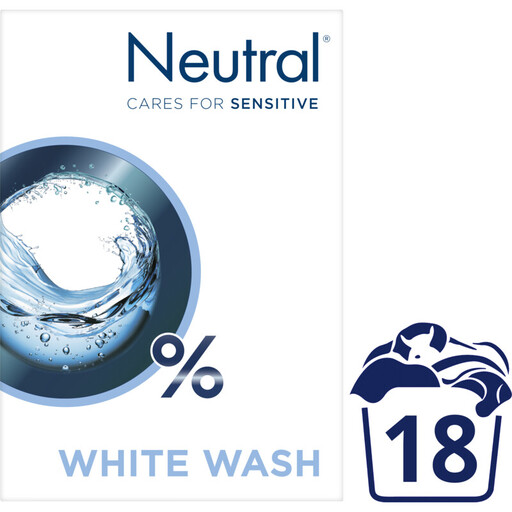
Why this fits the profile: A straightforward choice for households that mainly wash white laundry and want to avoid perfume and dyes.
The product information states no perfume and no dyes, so the choice is less influenced by marketing scents.
Washing powder for white laundry; according to the product information, hypoallergenic, dermatologically tested and free from dyes.
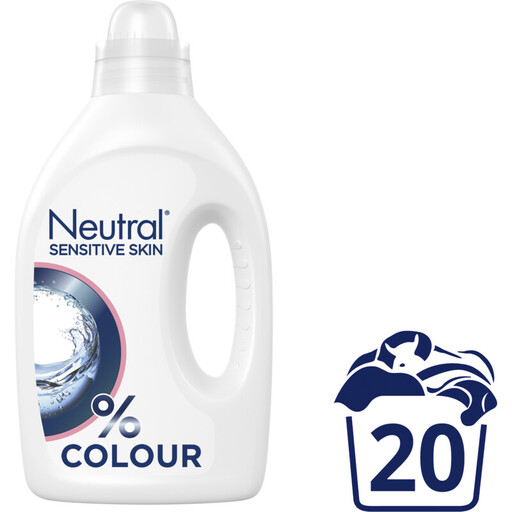
Why this fits the profile: Ideal for anyone who wants to combine coloured washes, low temperatures and a fragrance-free formula in one product.
The product details mention 0% perfume and 0% dyes; always check the current packaging and dose according to the label.
Liquid detergent for coloured laundry; 1 litre is good for 20 washes according to the product information.
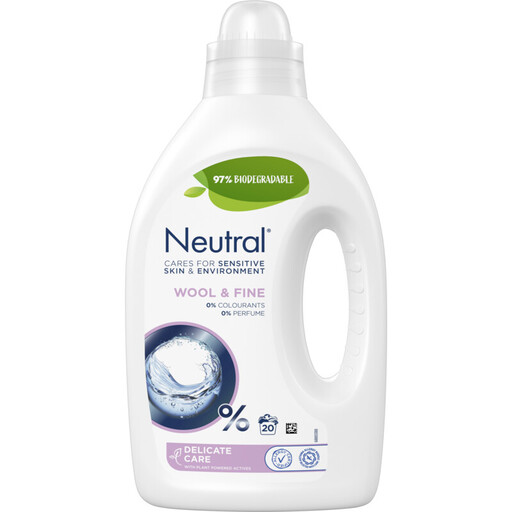
Why this fits the profile: For households with wool, silk and other delicate fabrics that need a separate detergent.
Its use is clearly defined for wool and fine wash, so you don’t end up using one universal product on every garment.
Hypoallergenic and fragrance-free according to the product details; designed for delicate fabrics.
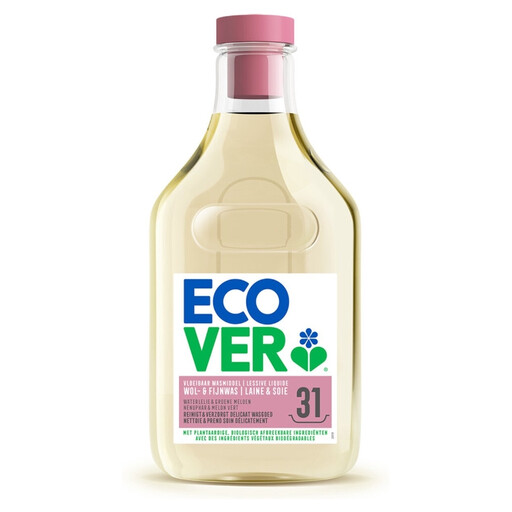
Why this fits the profile: An option for anyone who wants to combine delicate washing, a vegan formula and attention to packaging materials.
The product information states a specific use for wool and silk, 31 washes and instructions for different water hardness levels.
According to the product description, vegan, dermatologically tested and with a bottle made from used and recycled plastic. This product does contain perfume.
We’ve put together a full, up-to-date list of products that fully meet these strict selection criteria and comply with current European safety regulations.
The same points apply to washing-up liquid. A fragrance-free washing-up liquid like Clock states no fragrances or dyes and, according to the product information, carries the EU Ecolabel. If you mainly want to cut through grease, a concentrated washing-up liquid like Dubro could be worth considering, but pay attention to the warnings and avoid skin and eye contact.
For a plant-based choice, there are vegan cleaning products, such as Marcel’s GREEN SOAP Washing Up Liquid. The product information mentions 97% biodegradability and a bottle made from 100% recycled plastic. The scented version does contain perfume. Bingo Dishwashing Liquid Sensitive is designed for various surfaces, but includes safety warnings for eye irritation. So don’t automatically use washing-up liquid as a universal product for clothing or skin.
First, look for a fragrance-free detergent without dyes and check the full ingredients list. Products labelled hypoallergenic or dermatologically tested may match your preference, but they don’t guarantee suitability for every user. Rinse new clothes thoroughly and use the recommended dosage.
That depends on the dosage, packaging and number of washes. Compare the price per wash. Washing powder can be practical for white laundry, while liquid detergent is handy for coloured washes and low temperatures. Using too much product increases costs without necessarily giving a better result.
Store detergent in a cool, dry place, tightly sealed and out of reach of children. Check the expiry or batch information on the packaging. If the smell, colour or consistency changes noticeably, don’t use the product without checking the manufacturer’s instructions.
