
Vandaag of morgen in huis

Kwaliteit gegarandeerd

Welkomstaanbiedingen ontgrendelen: GRATIS bezorging | Tot 80% korting | Gratis 30 dagen JoyPlus-proefperiode
Download de app
You often won't notice a poor choice of laundry detergent until after a few washes. White clothing can look grey, dark fabrics may appear faded more quickly, and a large bottle can sometimes prove less economical than you expected. A pleasant scent also says little about whether it's suitable for your textiles or wash programme.
The main pitfalls to watch out for are:
Washing powder is practical when you regularly wash white laundry or heavily soiled clothing. Products with oxygen bleach or optical brighteners aren't intended for every type of fabric, but according to the product description they can be aimed at white washing. Always check the label before using powder on dark or delicate clothing.
Liquid detergent generally dissolves easily and is handy for coloured washing, mixed loads and lower temperatures. Do pay attention to the dosage: the amount often depends on the load size, level of soiling and water hardness. A compact bottle may contain fewer washes than a larger pack.
For detergent for white washing, the colour target and any bleaching or whitening ingredients are relevant. Robijn Stralend Wit and Robijn Bright White are developed for white washing according to the product information and contain whiteners. The manufacturer also states that these products contain 93% biodegradable ingredients. This is a product claim from the brand; it doesn't mean the product is fully biodegradable.
For detergent for coloured washing, colour retention and the recommended wash temperature are important selection points. For detergent for black clothing, a product like Robijn Black Velvet is specifically aimed at dark fabrics according to the product description. Wash dark and light clothing separately where possible and follow the care label.
If you're looking for a detergent for sensitive skin, you can look for a variant without strong fragrances and check for information about dermatological testing. Persil Non Bio is dermatologically tested according to its own product information and is intended for sensitive skin. This isn't a guarantee for every user; read the ingredients and stop using it if irritation occurs.
A bulk pack of detergent may look appealing, but work out the cost per wash:
A pack of OMO Apple Blossom & Water Lily states 5 kg and a maximum of 100 washes. Persil Non Bio states 1.05 kg and 21 washes, with a guideline of 50 grams for average soiling, medium-hard water and a load of 4 to 5 kg. The packs can't therefore be compared directly by weight.
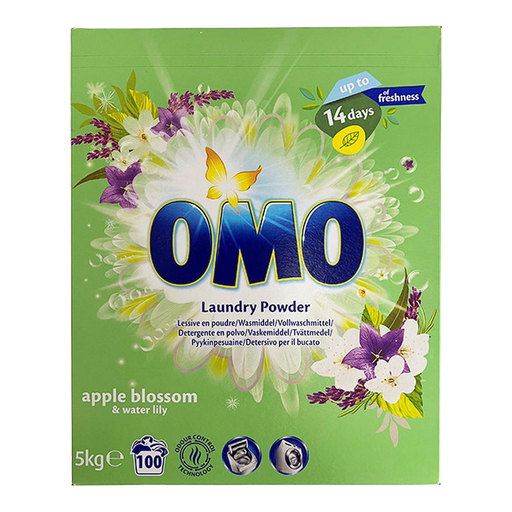
Why this suits the profile: The pack states 5 kg and a maximum of 100 washes. This makes this washing powder suitable for households that wash frequently and want to compare the cost per wash upfront.
The stated number of washes makes comparison easier than just looking at the price per kilo. Check the dosage on the pack for your water hardness and load size.
Washing powder with apple blossom and water lily fragrance; 5 kg content with a stated capacity of 100 washes.
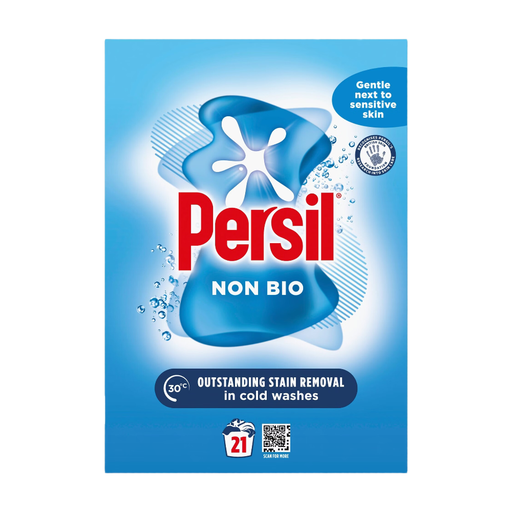
Why this suits the profile: This powder variant is intended for sensitive skin according to its own product information and includes details about dermatological testing. The dosage instruction of 50 grams gives a clear starting point.
The product information mentions specific conditions for dosage and warns against use on wool and silk. This prevents a general claim from becoming the deciding factor.
1.05 kg for 21 washes; Non Bio variant; according to Persil, dermatologically tested and suitable for sensitive skin.
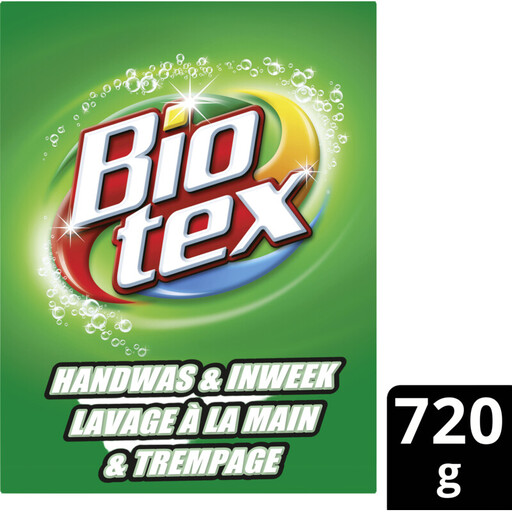
Why this suits the profile: This hand-wash and soaking powder is designed for hand washing and soaking. It suits delicate clothing that you'd rather not put in the machine according to the care label.
The application is clearly defined: hand washing and soaking. The product description doesn't mention bleach or optical brighteners. Don't use it on wool and silk because of the active enzymes.
750 grams; suitable for hand washing and soaking; according to the product information, without bleach and optical brighteners.
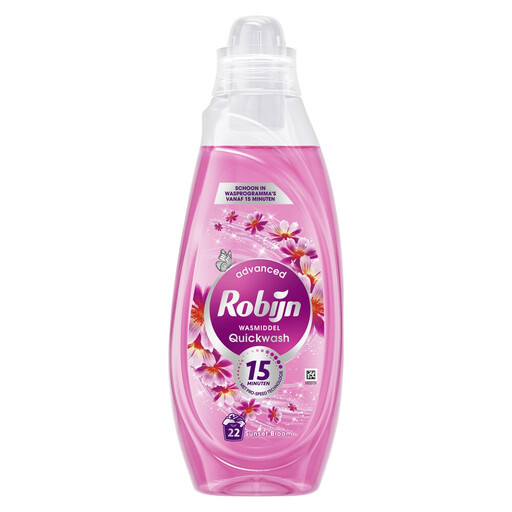
Why this suits the profile: This quick-wash detergent is developed for short programmes according to the product information, including a 15-minute programme. It's intended for textiles except wool and silk.
The application is clearly stated, so you don't need to use a standard detergent for a short programme. Do sort light and dark washing separately.
Liquid detergent for short wash programmes; stated suitability for a 15-minute programme; suitable for most fabric types except wool and silk.
We've put together a full, up-to-date list of products that fully meet these strict selection criteria and comply with current European safety regulations.
Always use the dosage on the pack as your starting point. Adjust it according to:
For stain removal, pre-treatment isn't always necessary, but follow the product's instructions. Persil states, for example, that you shouldn't mix the powder with water to form a paste for stain treatment. Don't use detergent in a way that isn't stated on the label.
When hand washing, dissolve the powder thoroughly in the water first. Use gloves if the instructions recommend it. Store detergent sealed and out of reach of children. Also pay attention to warnings about eye irritation, skin reactions and harm to aquatic organisms.
Not automatically. Compare the price per stated wash and check the recommended dosage. A bulk pack can be economical if you wash regularly, but only if you don't overdose.
Choose a product that's specifically offered for black or dark clothing, such as Robijn Black Velvet. Wash dark items separately from white washing and follow the care label. A specialist product won't prevent clothing from fading due to wear and tear or incorrect temperatures.
That's not a given. A quick-wash detergent like Robijn QuickWash is developed for short programmes according to the product information. For other programmes, you need to check the pack and dosage instructions. Wool and silk often require a separate delicate detergent or hand washing according to the fabric care label.
