
Vandaag of morgen in huis

Kwaliteit gegarandeerd

Welkomstaanbiedingen ontgrendelen: GRATIS bezorging | Tot 80% korting | Gratis 30 dagen JoyPlus-proefperiode
Download de app
Buying a bottle of laundry detergent might seem straightforward, but the differences between liquid detergent, washing powder, laundry pods and detergent strips have a real impact on your wash results and your cost per load. A product with a large container isn’t automatically better value, either. And a strong scent says very little about whether it’s suitable for black clothing, wool or a sensitive skin.
A 1-litre bottle might deliver fewer washes than a smaller, concentrated version. So it’s best to compare the number of washes and the recommended dosage. What’s more, hard water or heavily soiled laundry may require extra detergent.
Detergent for white washing sometimes contains optical brighteners or bleach boosters. These aren’t always suitable for dark or coloured clothing. For wool and silk, a delicate detergent is a wiser choice, because these fabrics need a different wash programme and a gentler formula.
Words like “natural”, “ecological” or “hypoallergenic” should always be considered alongside the ingredients, dosage and instructions for use. According to brands’ own product information, formulas can be vegan, fragrance-free or biodegradable, for example. That doesn’t automatically mean every product is suitable for every skin type or situation. If you have allergies, always check the label.
First, decide what you’re using the detergent for:
Liquid detergent generally dissolves easily at low temperatures and is simple to dose. Washing powder can be practical for larger households, but needs a dry storage space. Laundry pods are ready to use, while detergent strips take up very little room. With pods and strips, don’t adjust the dosage without checking the packaging.
Compare the packaging based on cost per wash, not just the price. Pay attention to:
Using too much detergent can leave residue on clothes and increases consumption. Too little detergent, on the other hand, may not clean properly. So always follow the product packaging and your washing machine’s manual.
A fragrance-free formula can be handy if you want to avoid scents. A fragranced product is a better fit if long-lasting freshness matters to you, but if you have sensitive skin, check the ingredients list. Detergent isn’t a skincare product: avoid contact with eyes and skin, keep it out of reach of children and follow the safety warnings.
Also pay attention to the packaging. Claims such as “100% recycled plastic”, “palm oil-free” or “at least 95% biodegradable” are product specifications when stated by the manufacturer. Assess them individually and don’t focus on just one environmental feature.
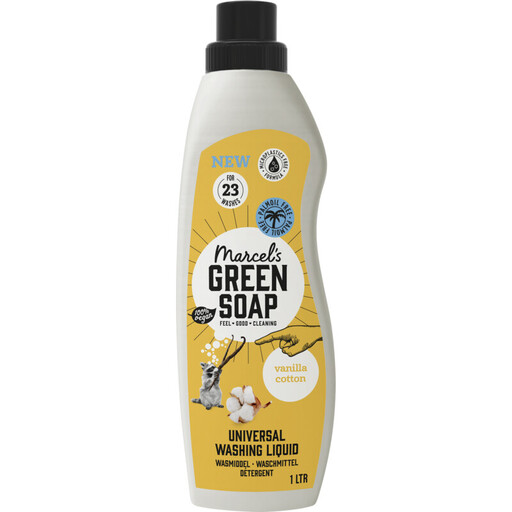
Why this fits the profile: This liquid detergent is intended for white and coloured washing and, according to the product information, is good for 23 washes. That makes it straightforward for a household looking for one all-purpose product.
The packaging states the number of washes and its use for white and colour, so you’re less likely to use an unsuitable product for dark or delicate clothing.
According to the manufacturer: palm oil-free, vegan, at least 95% biodegradable and packaged in recycled plastic.
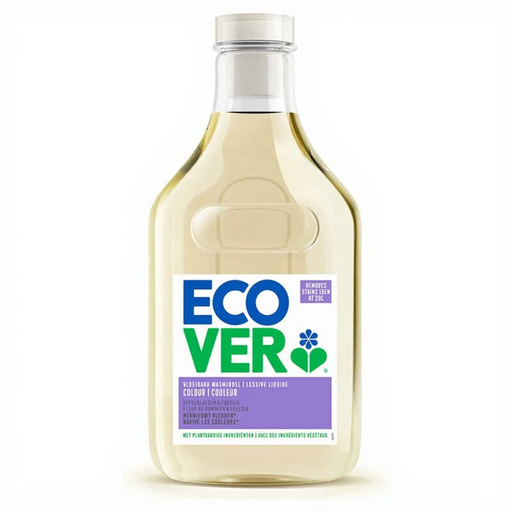
Why this fits the profile: A practical choice for anyone who regularly washes coloured laundry and pays attention to dosage, packaging and ingredient information.
The product information mentions 28 washes, a dosage per amount of laundry and a colour-transfer inhibitor. This allows you to compare the packaging more concretely.
According to Ecover’s own product information: vegan, dermatologically tested on sensitive skin types and a bottle made from 100% used and recycled plastic.
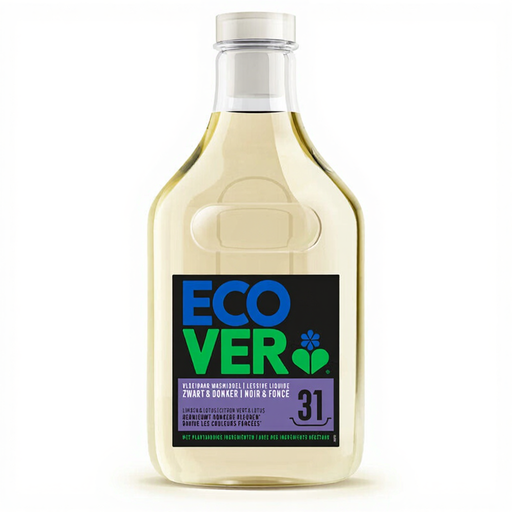
Why this fits the profile: Aimed at households with lots of black or dark clothing who want to use a separate product for these items.
The application is specifically for dark textiles. This stops you from using an all-purpose product for clothing where colour retention matters.
According to Ecover: 31 washes, vegan, biodegradable ingredients and suitable for sensitive skin types.
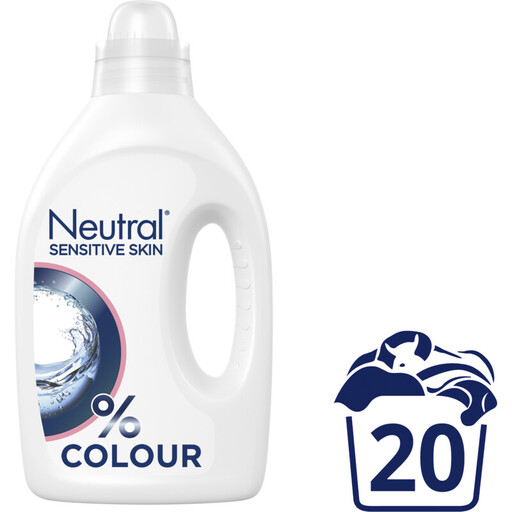
Why this fits the profile: Suitable for anyone looking for a fragrance-free detergent without dyes for coloured washing.
The product specifications state 0% fragrance and 0% dyes. That makes the choice more verifiable than relying solely on the term “mild”.
According to the product information: hypoallergenic, dermatologically tested, 1 litre content and suitable for 20 washes.
We’ve put together a full, up-to-date list of products that fully meet these strict selection criteria and comply with current European safety regulations.
Laundry detergent and dishwasher tablets have different uses. So don’t put laundry detergent in the dishwasher. For your dishes, you could choose Finish Quantum Powerball All-in-1 Regular with 32 tablets or Sun Tabs All-in-One Original with 42 pieces. Place dishwasher tablets in the dispenser according to the product instructions and keep them dry during storage.
For anyone short on storage space, detergent strips can be practical. Grepower states 40 strips for up to 80 washes, depending on the amount of laundry and the dosage. Laundry pods are also easy to dose, but use them with dry hands and store them sealed.
Choose a product specifically designed for black or dark textiles, such as a black-wash detergent. Also check the care label, wash dark clothes inside out and don’t use bleach.
That depends on the dosage, packaging and number of washes. Divide the purchase price by the stated number of washes and then compare the dosage for your water hardness. That gives you a more realistic picture of the cost.
Follow the expiry and storage information on the packaging. Store liquid detergent in a cool, dry place and keep it tightly sealed. Washing powder and detergent strips need to be protected from moisture in particular, so they don’t clump or dissolve prematurely.
