
Vandaag of morgen in huis

Kwaliteit gegarandeerd

Welkomstaanbiedingen ontgrendelen: GRATIS bezorging | Tot 80% korting | Gratis 30 dagen JoyPlus-proefperiode
Download de app
Buying a bottle of laundry detergent seems simple enough – until you have to choose between liquid detergent, laundry strips, eco-friendly detergent, a variant for dark clothes, or a product for wool and delicates. Marketing jargon doesn’t always make it clear which product suits your household.
The most common mistakes come from three pitfalls:
An all-purpose detergent is handy for everyday washing, but not for every garment. Always check the care label and the usage instructions on the packaging.
So don’t automatically use a detergent for whites on dark clothing. Conversely, a colour detergent may be less suitable for heavily soiled white towels.
Don’t just look at the contents of a bottle or the number of strips. Instead, compare:
A concentrated liquid detergent may need fewer millilitres per cycle. Laundry strips are compact and lightweight, but the dosage is less flexible when you need extra product for a large or heavily soiled load. Grepower, for example, states 40 strips for up to 80 washes: half a strip for a small load and two strips for large or heavily soiled laundry.
If you’re looking for sustainable detergent, eco-friendly detergent, vegan detergent, or detergent without palm oil, it’s worth checking the individual properties. Look out for:
According to the product information from Marcel’s GREEN SOAP, the variants are vegan, palm oil-free, microplastic-free, and at least 95% biodegradable. These are the brand’s product specifications; always check the current label at the time of purchase. Ecover states for certain products a bottle made from used and recycled plastic and a vegan formula. Seepje also uses a cotton wash bag and states that the ingredients are of natural origin.
An eco-friendly detergent isn’t automatically suitable for everyone. If you have sensitive skin, it’s wise to read the full ingredients list. A product described as hypoallergenic or pH-skin-neutral remains a brand claim. Stop using it if irritation occurs and follow the safety instructions on the packaging.
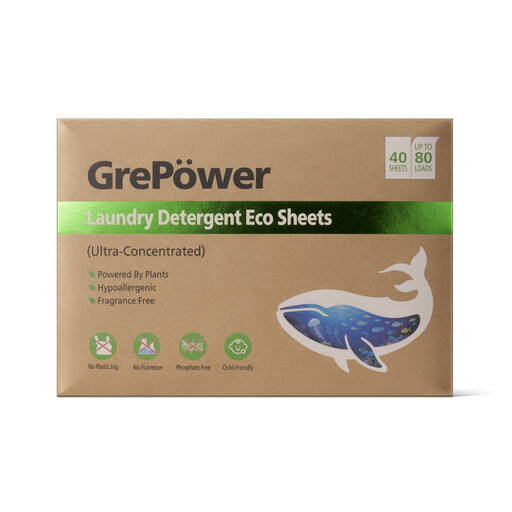
Why this suits the profile: The strips take up little space, are easy to carry, and according to the product information offer a dosage of up to 80 washes per pack.
You compare the number of strips with the recommended half, single, or double dose rather than just looking at the packaging.
40 strips, dissolve during the wash and without a heavy plastic bottle; intended for colourfast fabrics.
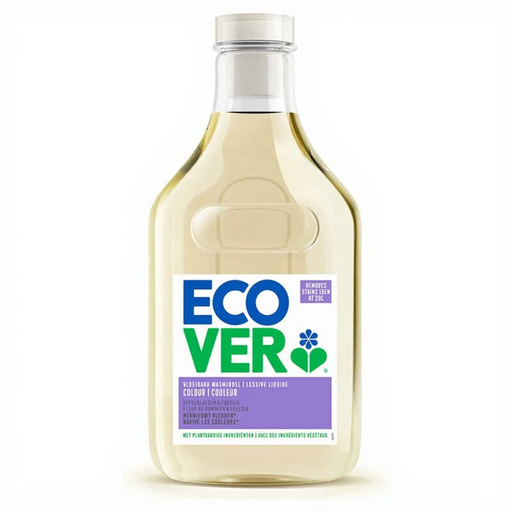
Why this suits the profile: According to Ecover, this liquid formula is intended for coloureds and contains a colour-transfer inhibitor. The product is suitable for washing at 30–60 °C.
The application is clearly defined: choose this product for coloureds and use a separate formula for wool and silk.
1.43 litres, 28 stated washes, vegan according to the product information, and a bottle made from 100% used and recycled plastic.
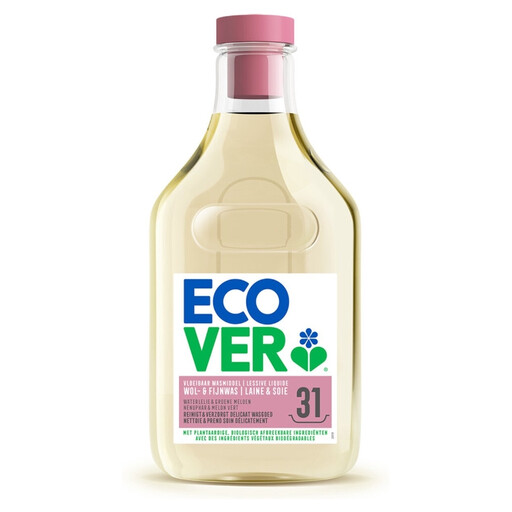
Why this suits the profile: If you regularly wash wool, silk, or other delicate fabrics, you get a formula with a clearly described application and dosage for different water hardness levels.
You avoid using an all-purpose detergent on delicate fibres. Follow the garment label and do not apply the product directly to the fabric.
1.43 litres for 31 stated washes; suitable for wool and silk and, according to the product information, vegan and dermatologically tested.
Laundry detergents are subject to product and safety regulations. Check that the packaging contains clear information about ingredients, dosage, warnings, and the manufacturer or responsible person within the European Union. The CLP warnings on the label, such as serious eye irritation, are practically relevant: keep the product out of reach of children and pets, and rinse eyes on contact according to the instructions.
Store liquid detergent in a cool, dry place and keep it tightly sealed. Laundry strips must also be protected from moisture. Overdosing does not automatically result in cleaner laundry and can leave residue in fabrics or the machine.
We’ve put together a full, up-to-date list of products that fully meet these strict selection criteria and comply with current European safety regulations.
Look at the ingredients list and the product information, not just the front of the packaging. Fragrances, enzymes, and preservatives can be relevant. Some brands state “hypoallergenic” or “suitable for sensitive skin types”; this is a product claim from the brand and not a guarantee for every user.
That depends on the dosage, water hardness, packaging, and price per wash. Compare the recommended amount for a normal load. With laundry strips, the dosage is straightforward, while liquid detergent can be adjusted more precisely to the load and level of soiling.
Follow the expiry date and batch information on the packaging. Store the product sealed, dry, and out of direct sunlight. Detergent that clumps, changes smell significantly, or has been affected by moisture may be less practical to use. Never use a product whose safety information is no longer legible.
