
Vandaag of morgen in huis

Kwaliteit gegarandeerd

Welkomstaanbiedingen ontgrendelen: GRATIS bezorging | Tot 80% korting | Gratis 30 dagen JoyPlus-proefperiode
Download de app
Washing coloured clothes seems straightforward, but using the wrong detergent can prove unnecessarily costly. An all-purpose product is not always suitable for dark fabrics, delicate materials or low temperatures. A prominent claim on the packaging also does not automatically say anything about the results in your washing machine.
As a Joybuy Product Recommendation Officer, I filter product information based on verifiable features. This helps you quickly see which laundry detergent for coloured clothes suits your household, washing routine and budget.
Many brands promise that colours will stay vibrant for longer. This is a product claim, not a guarantee for every fabric or wash programme. Results also depend on temperature, dosage, water hardness, drum load and the quality of the clothing.
So pay attention to the specific information: is the detergent intended for coloured and mixed laundry, from what temperature does it work, and are wool or silk excluded?
A small bottle or capsule pack may be concentrated, but the number of washes matters more than the volume alone. Always compare the price per wash. With liquid detergent, the recommended dosage determines how many washes you actually get.
Using too much detergent does not automatically make your washing cleaner. You use more product and may cause additional residue in the machine or on your clothes.
Laundry detergent capsules and pods are pre-dosed and convenient, but one capsule is not suitable for every load size. Check whether the packaging gives a dosage for normal or larger loads. Capsules should also be handled with dry hands and stored out of the reach of children.
According to product information from various brands, capsules may only dissolve properly when placed directly in the drum. So do not routinely put them in the detergent drawer.
Choose a colour detergent if you mainly wash T-shirts, trousers, sportswear and mixed fabrics. For black clothing, a detergent for dark laundry may be more appropriate. Wool, silk and other delicate fabrics often require a separate delicates detergent.
Read the care label on the garment. Colour detergent does not replace proper sorting: keep white, dark and brightly coloured textiles separate as much as possible. You can wash new clothes separately for the first few washes to check whether they release colour.
A detergent that can be used from 20 °C or 30 °C is suitable for short or lower-temperature programmes. This does not mean that every stubborn stain will disappear at a low temperature. For heavily soiled laundry, pre-treatment, a longer programme or a higher temperature may be needed, according to the garment’s care label.
Also check whether the product is suitable for machine washing and, where applicable, hand washing. This information varies from one formula to another.
Compare liquid detergents based on the number of washes, recommended millilitres and suitability for your water hardness. For capsules, check the number of units and the dosing instructions.
Also check the ingredients and warnings. Detergents can cause eye irritation or be harmful if swallowed. Keep liquids and pods sealed, dry and out of the reach of children and pets. Claims such as “biodegradable”, “natural ingredients” or “antibacterial” should be assessed against the specific product information; do not present brand claims as independently proven performance.
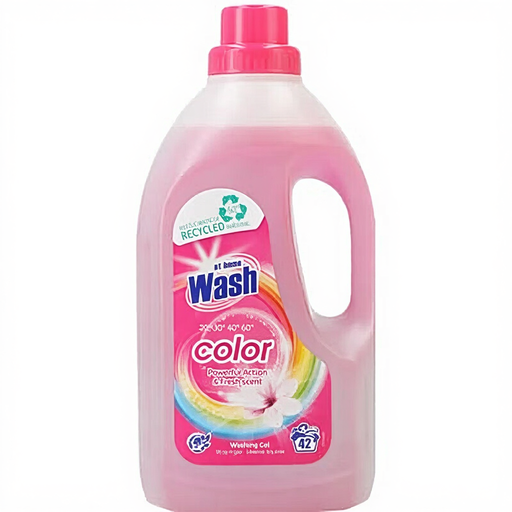
Why it suits this profile: The bottle states that it provides up to 42 washes, includes a dosing cap and is suitable for coloured laundry. This makes it easy to compare and dose for a first purchase.
The stated quantity of 35 ml for a normal load prevents you from dosing purely by guesswork. However, check the current packaging.
1.5 litres, up to 42 washes and suitable for machine and hand washing according to the product description.
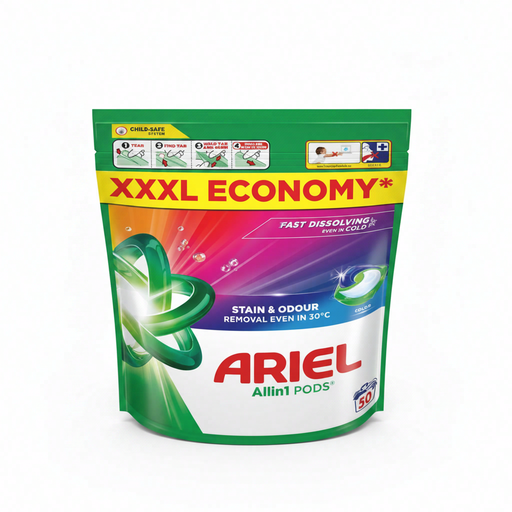
Why it suits this profile: For households that value consistent dosing and minimal effort, this pack contains 50 capsules for coloured laundry.
The capsule is pre-dosed, so you cannot pour in too much liquid. According to the product description, it can be used from 30 °C.
50 capsules, no measuring cup required and water-soluble packaging according to the product information.
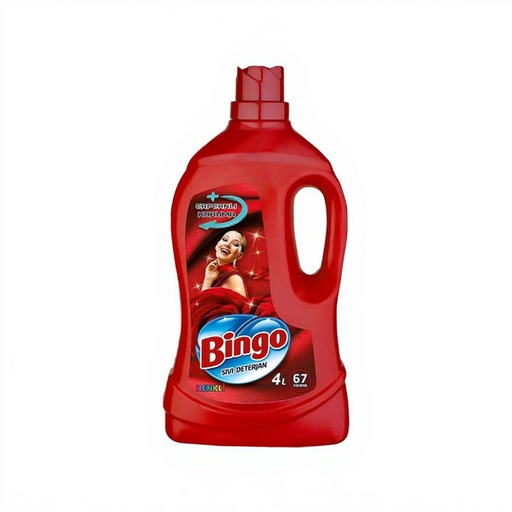
Why it suits this profile: The 4-litre capacity is practical for households that wash frequently and prefer to keep a larger supply of liquid detergent at home.
The product variant is clearly labelled for coloured laundry. Dose according to the label rather than treating the large pack as a reason to use more detergent.
4-litre capacity and a formula intended for coloured clothing according to the product description.
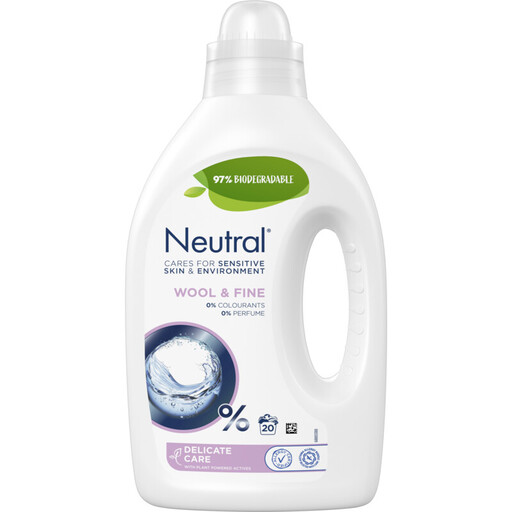
Why it suits this profile: This is not a standard colour detergent, but an option for households that also want to wash delicate fabrics separately.
You use a detergent specifically labelled for delicate laundry instead of one universal formula for every type of fabric.
1 litre of liquid detergent, without dyes or perfume according to the product details.
We have compiled a complete, up-to-date list of products that fully meet these strict selection criteria and the applicable European safety regulations.
It depends on the price per wash. Liquid detergent allows you to adjust the dosage to the load, level of soiling and water hardness. Capsules are easier to dose consistently, but offer less flexibility. Compare the stated number of washes with the total price and check the recommended dosage.
Sometimes, if the product information states that it is suitable for coloured and dark laundry. However, a product specifically developed for black or dark textiles is better suited to this purpose. Sort dark clothing separately and always follow the care label. Do not use detergent for white laundry containing optical brighteners on dark fabrics.
Store laundry detergent sealed, in a dry place and out of direct sunlight. The relevant shelf-life or usage information is shown on the packaging. Moisture is particularly problematic for capsules, as the film may start to stick together or become damaged. Never use a capsule with a leaking or damaged coating, and follow the manufacturer’s safety instructions.
