
Vandaag of morgen in huis

Kwaliteit gegarandeerd

Welkomstaanbiedingen ontgrendelen: GRATIS bezorging | Tot 80% korting | Gratis 30 dagen JoyPlus-proefperiode
Download de app
A bottle of laundry detergent seems simple to choose, until you have to decide between liquid detergent, washing powder, laundry pods and detergent strips. There are also options for coloured, black, white, delicate and woollen laundry. An appealing fragrance or a high number of washes does not always tell you whether a product is suitable for your household.
The most common poor purchases result from three pitfalls:
For everyday coloured laundry, colour detergent is a logical choice. This type is designed to clean coloured clothes without putting unnecessary strain on the colour. For black clothing, there are special options containing ingredients that, according to the product description, help dark fabrics stay dark for longer.
For white laundry, use a detergent for whites containing, for example, bleach boosters or optical brighteners, if this is suitable for the garment care labels. These substances are not intended for all coloured or dark clothing.
For wool, silk and other delicate fabrics, choose a delicates detergent or a separate wool detergent. Always check the care label. A standard detergent containing enzymes or offering high cleaning power may be less suitable for delicate fibres.
The stated number of washes is only genuinely comparable when you also consider:
For example, a 1-litre bottle may be intended for 14, 20, 23 or 31 washes. So do not look only at the quantity; also consider the cost per wash. Do not automatically use extra detergent: too much can leave residue on clothes and inside the machine.
Liquid detergent is practical for low temperatures and short programmes. Washing powder can be useful for larger household packs and white laundry. Laundry pods provide a fixed dosage, but are less flexible for a small load. Detergent strips take up little space and are light to take away with you; do check whether the dosage can be adjusted to suit your load.
If you have sensitive skin, a hypoallergenic detergent or fragrance-free detergent may be a practical choice. “Hypoallergenic” does not mean that a reaction is impossible. Read the ingredients list and stop using the product if irritation occurs. According to some brands’ product information, their products have been dermatologically tested, but this is not a medical guarantee for every user.
If you are looking for an eco-friendly detergent or vegan detergent, it is worth checking several features:
Sustainability and skin-friendly claims come from the manufacturer. Treat them as the brand’s product information and check the packaging for the most up-to-date ingredients and safety instructions.
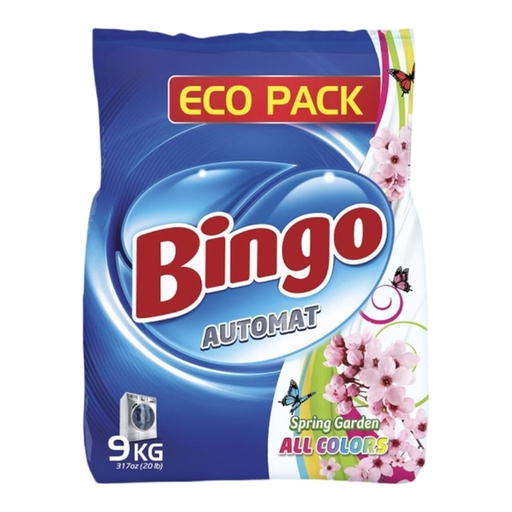
Why it suits this profile: The 9 kg pack is aimed at households that do laundry frequently and prefer to keep a supply of washing powder at home.
The stated weight makes the size of the supply clear. The dosage is listed separately for medium and heavy soiling, so you do not have to measure it by guesswork.
9 kg capacity; suitable for fully automatic washing machines; according to the product information, a phosphate-free formula.
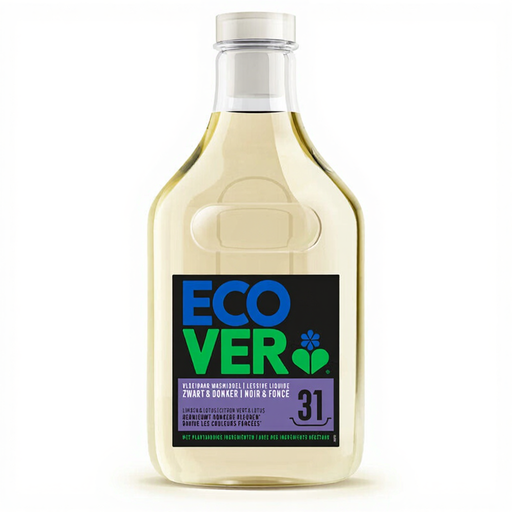
Why it suits this profile: This liquid formula is specifically designed for dark fabrics and is stated to provide 31 washes.
Its use for black and dark laundry is clearly defined. This means you do not have to use a universal detergent for delicate dark clothing.
1.43 litres; 31 washes; according to the manufacturer, vegan, biodegradable and dermatologically tested.
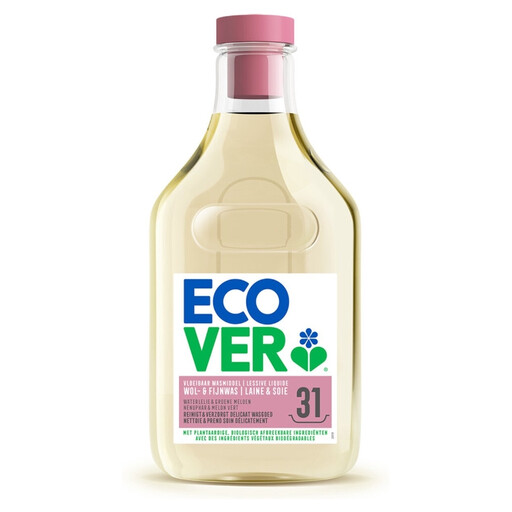
Why it suits this profile: For households with wool, silk or other delicate clothing, a separate formula is clearer than using one detergent for every wash.
The product information explicitly lists wool and silk as suitable applications and gives a dosage for washing at low temperatures.
1.43 litres; 31 washes; according to the manufacturer, suitable for sensitive skin types, vegan and suitable for septic tanks.
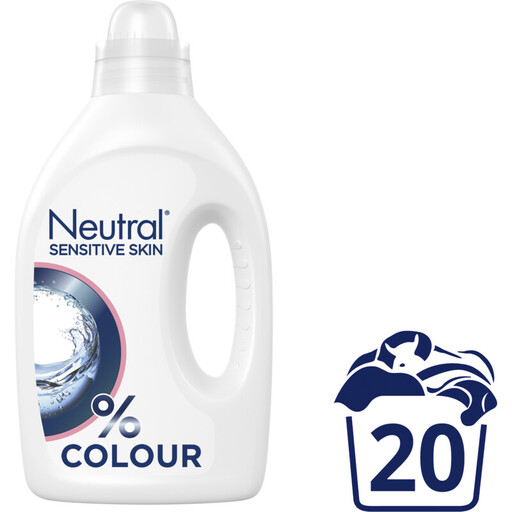
Why it suits this profile: The combination of colour care, a fragrance-free formula and a stated dosage for 20 washes suits a household that wants to keep ingredients to a minimum.
The packaging states 0% fragrance and 0% colourants. This makes the formula easier to assess than that of a product with an unclear fragrance claim.
1 litre; 20 washes; according to the manufacturer, hypoallergenic and dermatologically tested.
We have compiled a complete, up-to-date list of products that fully meet these strict selection criteria and the applicable European safety regulations.
No. Liquid detergent is practical for much everyday and coloured laundry, but wool, silk and other delicate fabrics often require a specific formula. Also always check the care label and the temperature at which the product is suitable.
That depends on the price per pack, the number of pods and the recommended dosage. A pod contains a fixed amount, making it easy to use, but it is harder to adjust the dosage for a small load. Handle laundry pods with dry hands and keep them out of the reach of children.
Follow the expiry or usage information on the packaging. Keep liquid detergent sealed in a cool, dry place and protect washing powder from moisture. Detergent strips should also be stored somewhere dry, otherwise they may stick together or partially dissolve. The fact that dishwasher tablets have a solid form does not mean they are the same as laundry detergent: use dishwasher tablets only according to the instructions for the dishwasher.
