
Vandaag of morgen in huis

Kwaliteit gegarandeerd

Welkomstaanbiedingen ontgrendelen: GRATIS bezorging | Tot 80% korting | Gratis 30 dagen JoyPlus-proefperiode
Download de app
A latte coffee might seem simple: powder, capsule or coffee with milk and you’re done. Yet many shoppers end up buying a product that doesn’t suit their machine, taste or daily routine. A sweet instant latte can be convenient, for example, but it often contains sugar and milk powder. A coffee capsule can deliver a full-bodied brew, but it only works with the right capsule system. And a product boasting a “creamy froth layer” on the packaging doesn’t automatically give you the same texture as a latte from an espresso machine.
That’s why the Joybuy Product Recommendation Officer is here to guide you through the most important product information. Pay particular attention to these three pitfalls before you order a coffee latte, instant coffee or latte macchiato.
Not every capsule fits every coffee machine. Check whether NESCAFÉ Dolce Gusto, Nespresso, Senseo or another system is explicitly stated. Coffee pads are also different from coffee capsules: pads are designed for pod machines, whereas capsules are used in a closed capsule system.
Instant latte mixes are often made from a combination of instant coffee, milk powder, sugar, glucose syrup, vegetable oil and stabilisers. So always check the ingredients list and nutritional information per serving. Douwe Egberts Latte Macchiato, for example, lists 4.3 grams of sugar per 100 grams; with other varieties, the amount can differ.
An unsweetened café au lait isn’t automatically sugar-free. Check whether “unsweetened” or “no added sugar” actually appears on the label, and look at the nutritional information.
Caramel, mocha, pistachio, ginger and matcha mainly describe the flavour direction. They don’t automatically tell you anything about the amount of coffee, matcha or ginger in the mix. For instance, GOLD KILI Instant Ginger Latte contains 68% instant ginger powder and 32% coffee milk powder, according to the product information. That makes it more of a ginger drink with a latte character than a classic coffee latte.
For a latte without a coffee machine, sticks and sachets are practical. Douwe Egberts Indulgence Choco Hazelnut Coffee Latte is prepared without a coffee machine, according to the product description. You simply add water and stir the mix through.
With instant coffee, it’s useful to check:
GOLD KILI Instant Ginger Latte can be prepared both hot and cold, according to the usage instructions. For a cold preparation, hot water is used first to dissolve the powder, then ice and optionally cold water are added.
The allergen declaration is important for milk, soya, cereals and possible traces. Nescafé Café au Lait capsules contain milk and soya, according to the product information. Gold Kili lists milk as an allergen and states that the product may contain wheat, oats, barley, sesame and soya.
Also look out for differences between products:
Always use the packaging as your primary source. Product compositions and allergen information can change.
A 250-gram bag is suitable if you want to make several cups at home. Individual latte sticks are more convenient for the office, travel or popping in your bag. However, do consider the amount of packaging material per serving. A box of eight sticks can work out more expensive per cup than a larger pack, but it prevents waste if you don’t drink latte every day.
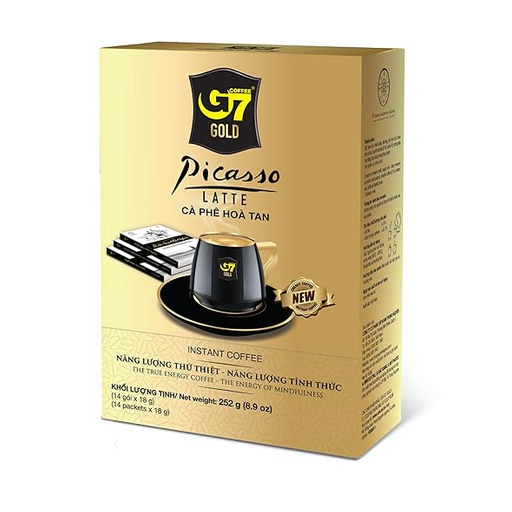
Why this fits the profile: A 252-gram bag is practical if you want to make several cups of instant latte at home without individual capsules or coffee pads.
You’re not tied to a specific machine system. However, do check the serving instructions and seal the pack well after opening.
Instant preparation and suitable for use at home or on the go. According to the product information, it contains none of the 14 major EU allergens.
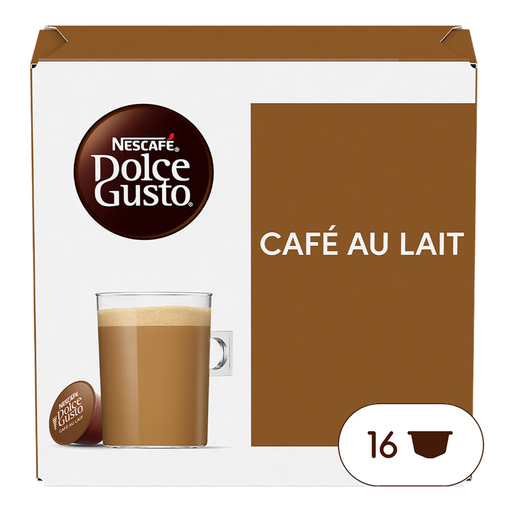
Why this fits the profile: Suitable for users of a NESCAFÉ Dolce Gusto machine who appreciate a consistent brew and a fixed serving per cup.
Compatibility is clearly linked to NESCAFÉ Dolce Gusto. Still, double-check this against your machine model.
16 servings and a preparation with coffee and milk powder. Contains milk and soya, according to the product information.
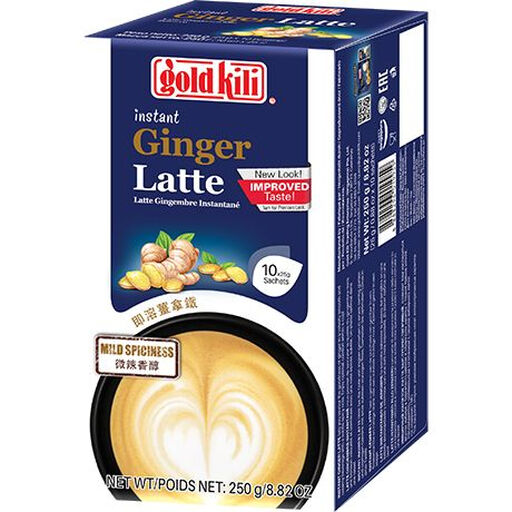
Why this fits the profile: For those who want to try Asian coffee variations and a hot or cold ginger latte alongside their coffee latte.
The composition makes it clear that ginger is the star. This way, you’re not buying a standard latte with just a subtle flavour addition.
Ten sticks of 25 grams and can be prepared with hot water or ice. Contains milk and may contain wheat, oats, barley, sesame and soya, according to the information.
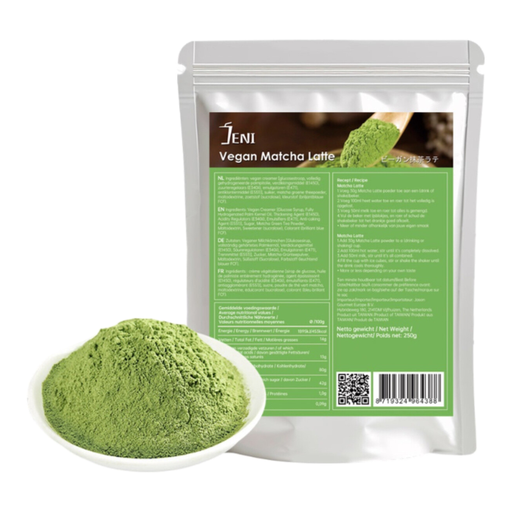
Why this fits the profile: An option for anyone who wants to make a matcha latte with hot water or plant-based milk and isn’t looking for coffee.
The product information clearly states that it’s a vegan matcha powder with sugar and sweetener, not a classic coffee latte.
Vegan recipe according to the product description, with real matcha powder and a 250-gram pack.
We’ve put together a full, up-to-date list of products that fully meet these strict selection criteria and comply with current European safety regulations.
Yes. With instant latte, latte sticks or a soluble coffee mix, you usually only need hot water. For a better texture, you can heat and add milk or plant-based milk separately. Follow the dosage on the packaging.
A latte macchiato typically contains warm milk, milk froth and coffee, which can be built up in visible layers. Café au lait is usually a simpler combination of coffee and warm milk. The exact composition varies by brand and product, so check the preparation method and ingredients.
That depends on the price per serving, the amount of milk powder and the use of your machine. Compare the net weight, the number of servings and any costs for milk or cleaning. Instant coffee doesn’t need a machine, whereas capsules mainly offer convenience and a fixed dosage.
