
Vandaag of morgen in huis

Kwaliteit gegarandeerd

Welkomstaanbiedingen ontgrendelen: GRATIS bezorging | Tot 80% korting | Gratis 30 dagen JoyPlus-proefperiode
Download de app
A creamy latte coffee at home, in the office or on the go sounds simple. Yet instant latte, coffee capsules and coffee sticks can differ greatly in flavour, serving size, preparation method and ingredients. Packaging featuring words such as “barista”, “creamy” or “premium” does not always tell you what you will actually get.
The most common disappointing purchases come down to three things:
Coffee capsules are practical if you already have a compatible machine. Preparation is quick and the portions are pre-measured. With some latte macchiato products, the coffee and milk are divided between several capsules or components. This can affect the preparation time and the amount of drink produced.
Pay attention to these points:
According to the product information, the Nescafé Cafe au Lait Coffee Capsules are suitable for Nescafé Dolce Gusto machines and contain 16 servings. The ingredients include milk powder, instant coffee and stabilisers. If you are looking for a sweeter coffee speciality with a nutty flavour, you could consider the Nescafe Hazelnut Macchiato Coffee Capsules. This pack contains six capsules and lists milk powder, sugar and coffee as ingredients. For both products, check the current packaging for preparation instructions and allergen information.
If you want to prepare coffee without a coffee machine, sticks and sachets are usually the simplest option. All you need is a mug, hot water and a spoon. They are ideal for a desk drawer, student room, holiday home or bag.
The main differences between products are:
The Douwe Egberts Whole-wheat Latte Macchiato Instant Coffee contains eight sachets and, according to the product description, is intended for preparation without a machine. Each prepared serving is listed as containing 44 kcal, including 4.3 grams of sugars. The Douwe Egberts 3-in-1 Instant Coffee contains ten sachets with coffee, creamer and sugar. This is convenient, but the nutritional information lists 59 grams of sugars per 100 grams. It is therefore worth considering serving sizes and how often you plan to drink it when making your choice.
A café au lait generally has a more pronounced coffee-and-milk combination, while a cappuccino tends to put more emphasis on foam. A latte macchiato usually consists of milk with coffee and visible layers when prepared using a capsule machine. However, the exact flavour and texture vary by brand and preparation method.
For a sweeter option, you can choose from caramel latte, hazelnut latte and chocolate-hazelnut products. If you fancy something other than coffee, you could try matcha latte, jasmine tea latte or ginger latte. These drinks do not necessarily contain coffee or the same amount of caffeine. Check the label if this is important for when you plan to drink it.
Check whether you need hot water, milk, a milk frother or a coffee machine. With capsules, the system must match exactly. Instant coffee usually gives a suggested measure, such as 150 ml of water, on the packaging. More water produces a milder drink, while less water creates a more concentrated flavour.
The net contents alone do not tell you much. Divide the price by the number of cups or sticks. A 252-gram bag, such as the Trung Nguyen Instant Latte GOLD, may be worthwhile for regular use, but check how many grams are recommended per serving. Individual sticks are easier to take with you, while a larger pack may use less packaging per cup.
Look at the order of the ingredients: the ingredient listed first is present in the greatest relative amount. Check for milk, lactose, soya and possible traces of other allergens. Product information for various latte products lists milk ingredients; some varieties also mention soya.
Store powders and capsules in a cool, dry place away from direct sunlight. Do not use damaged packaging. The specific use-by date and preparation instructions are shown on the packaging and may vary from batch to batch.
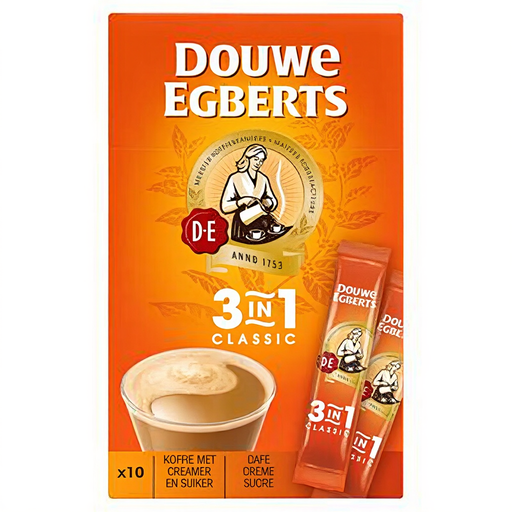
Why it suits this profile: The ten individual sachets are easy to portion and do not require a coffee machine. They are a convenient way to try instant latte with a relatively small pack.
The portions are pre-measured, so you do not have to combine coffee, milk powder and sugar yourself.
10 sachets, no machine required and a balanced sweet flavour profile according to the product information.
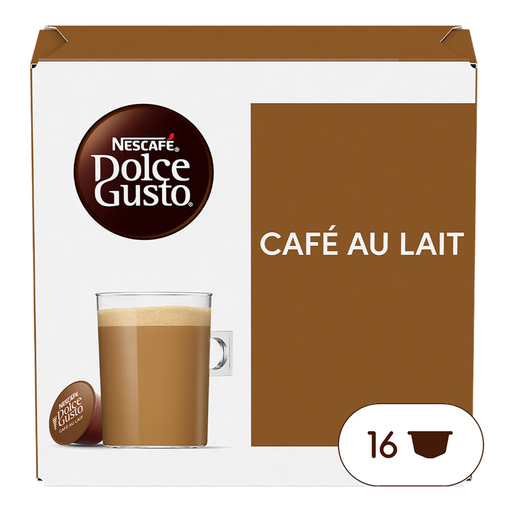
Why it suits this profile: If you value consistent preparation, a capsule product with 16 servings is a good option, provided you have a compatible Dolce Gusto machine.
The product information explicitly states that it is compatible with Nescafé Dolce Gusto machines.
16 servings, a combination of milk powder and instant coffee, and suitability for consistent capsule-based preparation.
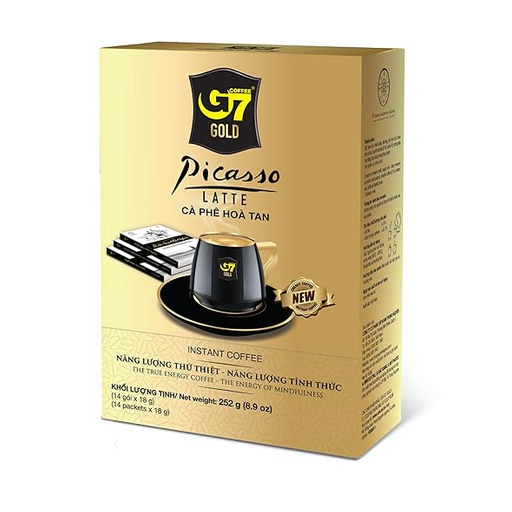
Why it suits this profile: The larger pack is practical for frequent coffee breaks at home or in the office. Preparation remains simple because it is instant coffee.
You are not dependent on capsules or a machine. Do check the recommended serving size, so that the amount you have left and the cost per cup remain predictable.
252 grams of contents, quick to prepare and, according to the product description, suitable for enjoying on the go.
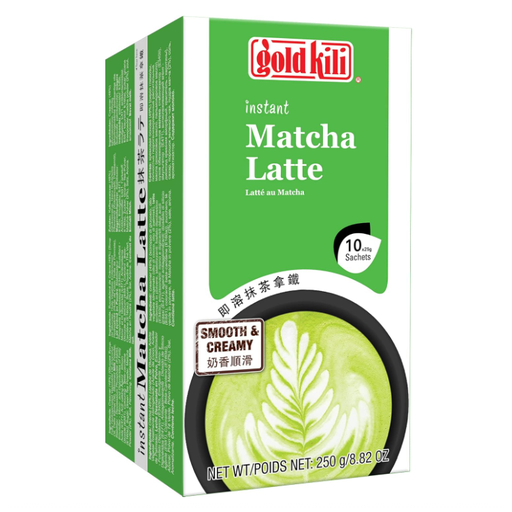
Why it suits this profile: This matcha latte is an alternative to coffee and, according to the product information, can be prepared with hot water or milk.
The product name makes it clear that this is matcha, not coffee. This helps prevent disappointment when buying.
250 grams of contents, suitable for vegetarians according to the product information, and can be prepared with water or milk.
We have put together a complete, up-to-date list of products that fully meet these strict selection criteria and the applicable European safety regulations.
Use an instant latte, coffee stick or 3-in-1 sachet. Empty the contents into a mug, add the recommended amount of hot water and stir well. For a fuller texture, you can use milk with products that are suitable for this. Capsules, on the other hand, require a compatible coffee machine.
The shelf life is stated on the packaging. Store unopened capsules and powders in a cool, dry place away from direct sunlight. Reseal opened packaging properly and do not use the product if the packaging is damaged. Ready-to-drink products, such as an iced mocha latte, have different storage requirements, so follow the instructions on the label.
That depends on the purchase price, the number of servings and the recommended serving size. Divide the price by the number of capsules, sticks or servings. Also remember additional costs, such as milk for plain instant coffee or the use of a capsule machine. This allows you to compare a caramel latte, cappuccino, café au lait and regular instant coffee on a like-for-like basis.
