
Fibre-conscious late-night snacker
You’re looking for something crunchy and want to compare the fibre content of Melba toast with plain varieties. Check for the wholemeal label and compare fibre per 100 g.


Choose wholemeal Melba toast if fibre is your main priority for a late-night snack: according to the product information at Jumbo, Van der Meulen Melba Wholemeal Toast contains 9.7 g of fibre per 100 g, compared with 2.4 g in Van der Meulen Joy of Melba Plain Rounds. Whether you’re comparing wholemeal, multigrain or plain varieties, also check the salt content, your portion size and the allergens listed on the exact pack. Toast is not a treatment for digestive problems.
You’re looking for something crunchy and want to compare the fibre content of Melba toast with plain varieties. Check for the wholemeal label and compare fibre per 100 g.
You want a few pieces of toast with a topping, so you’re looking at more than just the salt per 100 g: you’re also considering how much toast and topping you’ll have.
You need to check the exact variety for allergens such as cereals containing gluten, sesame or soya. The product type or brand name won’t tell you which allergens it contains.
Start with what matters most for your late-night snack: fibre, salt and portion size, or allergens. Always compare nutritional values per 100 g, and check the ingredients for your chosen variety on the packaging.
| What to consider | What to check before buying | Who it matters to |
|---|---|---|
| Fibre and wholemeal | Look for the wholemeal label and compare fibre per 100 g; multigrain doesn’t automatically mean wholemeal. | If I want something crunchy and fibre is my main reason for comparing toast, I choose based on the label rather than the colour. For around 42% of consumers, this fibre-focused choice comes first. |
| Salt and portion size | Compare salt per 100 g and decide how many pieces of toast and what topping you’ll have. | For a late-night snack, I want to know how much salt my toast and topping add up to. Around 33% of consumers prioritise salt and portion size. |
| Allergens | Read the ingredients, highlighted allergens and any relevant warnings on the exact pack. | If I need to avoid an allergen, the ingredients in that variety matter more than the taste or fibre content. This check comes first for around 25% of consumers. |
Multigrain means a product contains different grains; it doesn’t mean it’s made entirely from wholemeal flour. The Netherlands Nutrition Centre makes this distinction for toast and crackers too.
Look for the wholemeal label on the pack, then compare fibre per 100 g.
Product information from Jumbo and Albert Heijn lists salt levels of 1.3 g to 1.93 g per 100 g for the Melba toasts discussed here. How much toast and topping you have also affects what you actually eat.
Compare salt levels on the same basis, then consider your own portion with its topping.
Ingredients and allergens vary between varieties, even within the same product range. According to the Netherlands Food and Consumer Product Safety Authority, allergens must be clearly identifiable on the labels of prepacked foods.
For every variety, read the current ingredients list and any warnings on the packaging.
A mention of salt doesn’t confirm that iodised baker’s salt was used in that toast.
If iodine is the basis for your choice, rely only on information about the exact variety. Check the packaging or ask the manufacturer.
Melba toast in wholemeal, multigrain and plain varieties.
A supermarket own-brand with a plain Melba toast variety.
A cracker option if you’re not specifically looking for Melba toast.
A plain Melba toast variety in a 240 g pack, listed by ALDI.
This selection includes one Melba toast as a neutral base for a snack, plus four cracker or crispbread options for anyone who wants to look beyond the toast category. Compare them by product type, and check the nutritional information and allergens on the pack you choose.
 Image unavailable
A cracker option if you’re not set on Melba toast for your late-night snack. Compare fibre and salt per 100 g on the pack; if you have an allergy, check the ingredients and warnings too.
 Image unavailable
These rye crackers are an alternative if you’d prefer a different crunchy base to Melba toast. Check the pack for fibre and salt per 100 g, and check the allergens in this variety.
 Image unavailable
This crispbread is a good fit for a late-night snack when you don’t need Melba toast. Check the pack for nutritional values per 100 g and the ingredients, especially if allergens influence your choice.
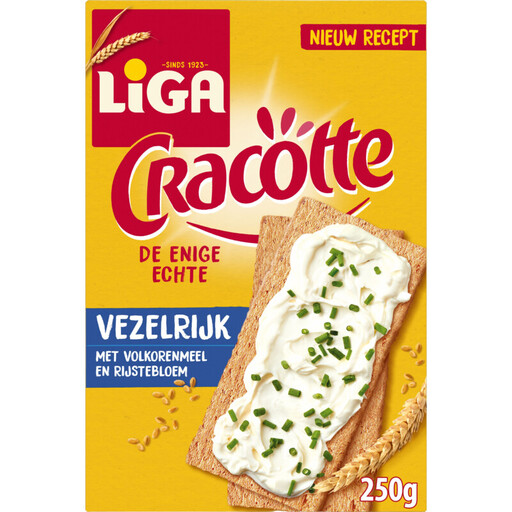 Image unavailable
A cracker option if you’re looking for something other than Melba toast. Pay particular attention to allergens before buying: the product information lists whey powder from milk in the ingredients, but contradicts this in the allergens section. Check the current packaging and contact the manufacturer if in doubt.
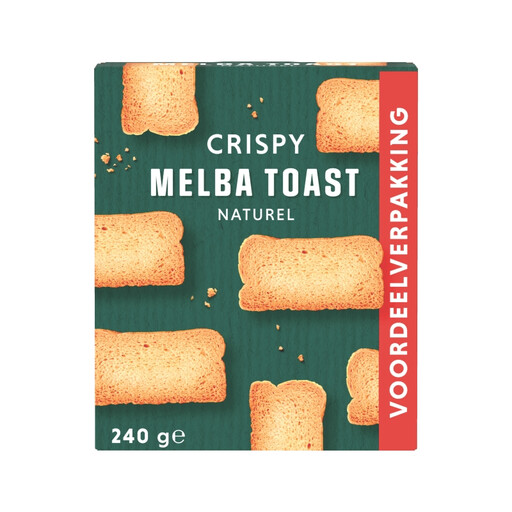 Image unavailable
This Melba toast is a good choice if you’re specifically looking for a toast base for your late-night snack. The product information lists wheat, barley and soya in the ingredients, but contradicts this in the allergens section. Check the current packaging before buying and contact the manufacturer if in doubt.
No, multigrain and wholemeal don’t mean the same thing. A multigrain variety may contain wholemeal flour without being entirely wholemeal; check the ingredients and compare fibre per 100 g. The Netherlands Nutrition Centre explains the distinction around the wholemeal label for toast and crackers.
No, a mention of salt on a pack of toast doesn’t confirm that iodised baker’s salt was used. Check the information for the exact variety or ask the manufacturer if this matters to your choice.
Always check the ingredients and allergens on the exact pack. The varieties discussed here list wheat or other cereals containing gluten, among other things; sesame and soya may also be present, depending on the product.
Follow the storage advice on your pack and seal opened Melba toast well. For its plain variety, Albert Heijn recommends storing it in a sealed tin after opening; for the multigrain variety discussed here, Jumbo advises keeping it in a cool, dry place.