What should you look for when choosing?
First decide between black-and-white, colour, and scanning or copying. Then check that the connection and paper feed suit shared use in the studio.
Black-and-white, printing only
A good fit if: you print digital practice sheets and a black-and-white test print clearly shows all the notes, lines and markings.
Keep in mind: there’s no colour, scanning or copying; the Brother HL-L2445DW uses separate toner and drum components.
Black-and-white with extra paper or security options
A good fit if: several users print larger batches and an extra tray or secure printing suits the way you work. Canon lists Secure Print for the i-SENSYS LBP246dw II.
Keep in mind: this Canon model’s standard paper feed consists of a 250-sheet cassette and a 100-sheet multipurpose tray; 900 sheets is the maximum capacity with the optional tray.
Multifunction black-and-white
A good fit if: you scan or copy paper practice sheets as well as digital files. Brother says the DCP-L2660DW has a 50-sheet automatic document feeder, plus ethernet and wifi.
Keep in mind: there’s no colour, and scanning and copying add little if the studio only prints digital files.
Colour, printing only
A good fit if: colour-coding on your practice sheets conveys information that would be lost in a black-and-white test print.
Keep in mind: the Canon i-SENSYS LBP646Cdw prints in colour but doesn’t scan or copy; check which colour toners you’ll need.
| What to consider |
What should you check? |
Who is this important for? |
| Readability of the practice sheets |
Print a representative file on the intended paper size and check the stave lines, text, margins and colour distinctions. |
If your sheets need to be easy to read during lessons or practice, you’ll want to assess your own file. Around 29% of consumers give readability top priority. |
| Access for multiple users |
Check that ethernet or wifi and the supported devices suit the studio; also consider where the printer will be placed and who will collect the prints. |
If everyone needs to print from their own devices, the connection must suit the way you work. Around 29% of consumers prioritise shared access. |
| Ongoing running costs |
Note the toner code and stated yield, and check whether the drum is replaced separately; compare yields on a like-for-like basis. |
For regular printing, you’ll want to know which components you’ll need later and how to compare them. Around 21% of consumers focus mainly on running costs. |
| Extra features |
Decide separately whether colour conveys information and whether paper originals need to be scanned or copied; then check the exact model. |
If a practice sheet needs colour or you handle paper originals, you’ll want to make sure the printer has that specific feature. Around 21% of consumers prioritise these extras. |
Joybuy product picks
This selection includes laser printers for black-and-white and colour printing of digital practice sheets.
 No image available
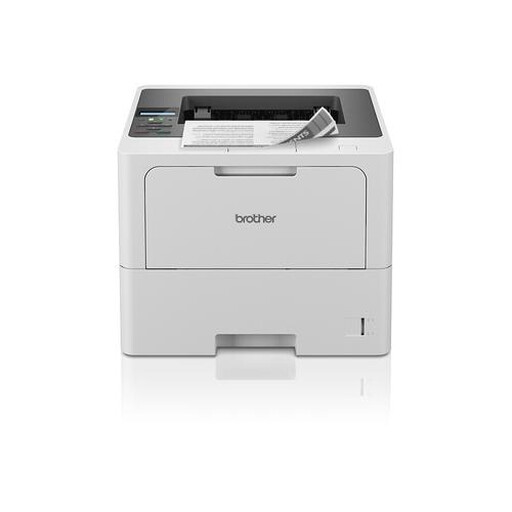
Brother HL-L6210DW, A4, wifi
Suitable for digital practice sheets printed in black and white on A4 when you need wifi.
Monochrome laser printing; A4; wifi; 1200 × 1200 DPI.
Not suitable if colour information needs to be retained on your practice sheets.
Joybuy
 No image available
Brother HL-L5210DW, A4, wifi
Suitable for digital black-and-white practice sheets on A4 when the studio uses wifi or ethernet.
Monochrome printing; A4; wifi and ethernet; automatic double-sided printing.
This black-and-white option isn’t suitable if colour information is essential.
Joybuy
 No image available
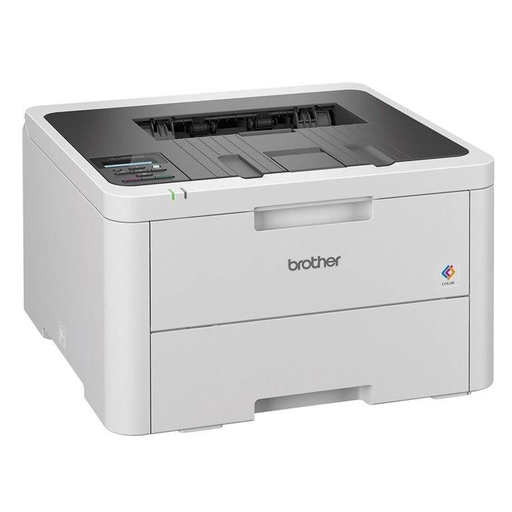
Brother HL-L3220CWE, colour, A4, wifi
Suitable for A4 practice sheets that need colour-coding and a printer connected over wifi.
Colour laser printer; A4; wifi; 600 × 2400 DPI.
Joybuy
 No image available
Brother HL-L5210DN, A4, LAN
Suitable for digital black-and-white practice sheets on A4 when the printer is shared over a wired network connection.
Monochrome printing; A4; wired LAN; 1200 × 1200 DPI.
According to the product description, this model is for printing only and doesn’t offer colour printing, scanning or copying.
Joybuy
Frequently asked questions
Should you print practice sheets double-sided?
Not always; decide for each practice sheet. If you need to turn a page quickly while playing, single-sided printing may be more convenient. Check which paper sizes and weights the chosen model supports for double-sided printing.
How do you set up a printer for multiple users?
Choose a model whose ethernet or wifi connection suits the studio’s devices and network. If prints contain personal data, decide on appropriate measures to control access to files and printed documents; the Dutch Data Protection Authority explains security measures based on risk.
Which ongoing costs and warranty rights should you check?
Check the exact toner, whether there’s a separate drum, and your usage pattern; the stated yield isn’t a guarantee for your files. For a consumer purchase in the Netherlands, the statutory warranty depends on what you could reasonably expect from the product under normal use, as ACM ConsuWijzer explains. If you’re buying on behalf of a business, don’t assume the same consumer rules apply.
Can our studio copy existing sheet music or practice sheets for everyone?
That depends on the work and how it’s used. Original music may be protected by copyright in the Netherlands; before reproducing and sharing it, check which permission, licence or arrangement covers your specific use. Government information about reprographic rights explains the conditions for businesses and doesn’t give general permission to copy all sheet music.
Where can a private buyer take an old printer?
According to the Dutch government, when buying a similar new device, a private individual can return the old device to the retailer free of charge, including for an online purchase under the stated return procedure. The take-back scheme doesn’t apply to equipment owned by businesses.


