What should you look for when choosing?
First, decide how you will manage prints containing personal data. Then choose a connection and paper feed to suit your shared workspace, and only consider colour or scanning and copying features if your workflow requires them.
| What to consider |
What should you check? |
Who is this important for? |
| Print privacy |
Consider who can access the output tray and how staff collect their print jobs. The Dutch Data Protection Authority recommends tailoring measures to the risks. |
If I print appointment letters containing personal data, I want to know who can see them before I collect them; around 31% of consumers put confidential handling first. |
| Connection and paper feed |
Check whether Wi-Fi, Ethernet or USB suits the studio network and printer location; compare the standard tray with the usual batch size. |
If several staff members print from different workstations, I want a connection and tray that suit the way we work together; around 25% of consumers prioritise this. |
| Ongoing consumables |
Compare toner and, where applicable, a separate drum for the same expected page count. Stated yields do not guarantee how many of your own letters you will print. |
If we print letters regularly, I also want to know which parts will need replacing later; around 19% of consumers focus on these ongoing running costs. |
| Scanning and copying |
Check whether staff need to digitise or copy paper documents; for multi-page documents, compare the document feeder too. |
If completed forms or other paper documents are part of our work, I want to be able to handle them with the same device; around 13% of consumers prioritise scanning or copying. |
| Colour for letters |
Review a representative letter in black and white and decide whether this makes important information unclear. Include any required colour toner in your comparison. |
If colour conveys meaning in our letters, I want that information to remain clear in print; around 12% of consumers give colour requirements top priority. |
Joybuy product picks
These laser printers are options for A4 documents in a shared studio, with the connections and printing capabilities listed for each model.
 No image available
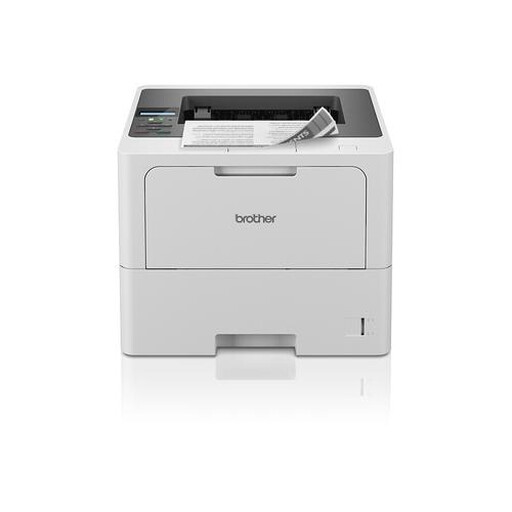
Brother HL-L6210DW laser printer, A4, Wi-Fi, 1200 × 1200 DPI
Suited to shared print jobs from multiple devices; the product description lists Wi-Fi.
Specifications: A4; 1200 × 1200 DPI.
View at Joybuy
 No image available
Brother HL-L5210DW Wireless A4 Monochrome Laser Printer
A mono option for shared print jobs when the listed connections suit your studio network.
Specifications: Wi-Fi, Ethernet and USB; automatic double-sided printing.
View at Joybuy
 No image available
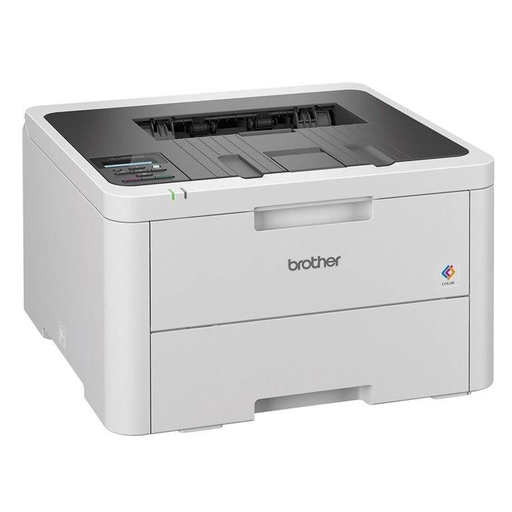
Brother HL-L3220CWE colour laser printer, A4, Wi-Fi, 600 × 2400 DPI
A colour option for shared print jobs if your documents need colour.
Specifications: A4; Wi-Fi; 600 × 2400 DPI.
View at Joybuy
 No image available
Brother HL-L5210DN laser printer, A4, 1200 × 1200 DPI
Suited to a studio with a wired network when LAN printing fits your existing setup.
Specifications: A4; 1200 × 1200 DPI; wired LAN connection.
View at Joybuy
Frequently asked questions
Does a printer for appointment letters have to have a PIN by law?
The Dutch Data Protection Authority’s guidance does not set a general PIN requirement for every printer. Organisations must decide on appropriate security measures based on the risks. So consider the contents of the letters, access to the output tray and how staff collect their prints; only assume a specific printer feature is available if it is listed for the exact model.
Which connection works for several staff members?
That depends on your existing network and where the printer is located. Brother specifies Ethernet, 5GHz Wi-Fi and USB for the HL-L2445DW; check that your studio’s computers and network can use the connection you choose.
When do I need an all-in-one printer?
Choose an all-in-one printer if staff also need to scan or copy paper documents. Brother lists these features and a 50-sheet automatic document feeder for the DCP-L2660DW. These extra features are not needed if you only print digital letters.
Which consumables should I check before buying?
For the exact model, check which toner and, if applicable, separate drum it needs, and compare these with your expected print volume. Brother lists separate toner and drum for the DCP-L2660DW. HP lists cartridge security for the LaserJet Pro 4002dw, so also check which cartridges are compatible with that model.


