
Families who like to keep nuts in stock
You’re buying for several people at home who regularly eat the same nuts. Compare the pack weight, price per kilogram and ingredients to choose an amount that suits how much you use.


First decide whether you want an unsalted store-cupboard staple, smaller packs or a snack for sharing. Then compare only products with a similar composition, looking at weight and price per kilogram. For everyday eating, unsalted nuts are in line with advice from the Netherlands Nutrition Centre. Choose a pack size that suits how quickly you’ll use it, and follow the storage advice for that specific product. If you have allergies, check the label.
You’re buying for several people at home who regularly eat the same nuts. Compare the pack weight, price per kilogram and ingredients to choose an amount that suits how much you use.
You want to distinguish nuts for everyday eating from seasoned snacks for sharing. The Netherlands Nutrition Centre recommends eating a handful of unsalted nuts every day and varying the types.
You may get through different amounts from week to week or between snack occasions. Choose a pack size and, if available, a resealable closure that suit how quickly you’ll use the contents, and follow the storage advice for that exact product.
A good fit when: several people at home regularly eat the same unsalted mix and a 500 g pack suits how much you use.
Keep in mind: a larger bag isn’t automatically better value. Compare the price per kilogram of products with a similar composition and follow the storage advice.
A good fit when: how much you eat varies or people at home want different products. For example, AH and Jumbo offer 200 g packs of mixed nuts.
Keep in mind: compare the price per kilogram separately, and don’t treat a nut and fruit mix as having the same composition as a pure nut mix.
A good fit when: you’re looking for something to serve when friends are round and want a seasoned or crunchy option.
Keep in mind: seasoned nuts aren’t the same as unsalted mixed nuts. Duyvis describes Borrelnootjes Cocktail as peanuts in a coating and lists milk, peanuts and gluten as allergens.
| What to consider | What should you look for? | Who should consider this? |
|---|---|---|
| Value per kilogram | Compare the net weight and price per kilogram within the same product type and for a similar composition. | If I’m buying for several people at home, I want to compare value without treating different kinds of snacks as equivalent; around 31% of consumers put price per kilogram first. |
| Ingredients for everyday eating | Check whether the nuts are unsalted and see which types are in the mix. | If I’m choosing nuts to eat every day, I want an unsalted option and to know what’s in the mix; around 25% of consumers prioritise this. |
| Quantity and storage | Choose a weight that suits how much you use, and check the storage advice for that exact product after opening. | If how much we eat at home varies, I want an amount that suits how quickly we’ll use it; around 19% of consumers prioritise stocking up and storage. |
| Flavour and occasion | First choose between options such as a pure nut mix, a nut and fruit mix or a seasoned snack to share. | If I’m buying something for friends or looking for a nut and fruit mix, I want a product that suits the occasion; around 13% of consumers prioritise flavour and when they’ll eat it. |
| Allergies and young children | Check the ingredients, allergen information and warnings on the exact pack. Bear in mind the risk of choking for young children. | If someone at home has a relevant allergy or young children will be eating the nuts, I want to check the product information and warnings first; around 12% of consumers prioritise this safety consideration. |
A pure nut mix, peanuts and seasoned nuts are different products. Duyvis describes Borrelnootjes as peanuts in a coating; the ALDI mix reviewed here lists almonds, hazelnuts, walnuts and Brazil nuts.
Choose the type of product first, then compare weight, ingredients and price per kilogram within that category.
The Netherlands Nutrition Centre gives different storage advice for mixed salted nuts and seasoned nuts. Advice for one product category doesn’t automatically apply to another.
Choose an amount that suits how much you use, and check the storage advice for the exact pack after opening.
The Duyvis Cocktail product reviewed here also lists milk and gluten, as well as peanuts. The product name alone doesn’t tell you everything about its allergens.
For every relevant purchase, check the current ingredients, allergens and warnings on the pack. The Netherlands Food and Consumer Product Safety Authority (NVWA) states that allergen information for pre-packed products must appear on the label.
PLUS lists a 500 g stand-up pouch. ALDI specifies a resealable pack for a separate 200 g nut and fruit mix; that feature doesn’t automatically apply to other packs.
Check the closure on the exact pack rather than assuming it from the type of packaging.
Worth considering for snacks to share, including Borrelnootjes Cocktail. Duyvis describes these as peanuts in a coating.
The own-brand range includes AH Unsalted Mixed Nuts in a 500 g pack and a 200 g unsalted mix.
The range includes an unroasted nut mix in a 500 g value pack, as well as separate lines of nuts, peanuts and snacks for sharing.
Within the range reviewed, Alesto is relevant for nuts and dried fruit, including almonds and cashews.
TRADER JOE’S Unsalted Nut Mix, 500 g, is one option reviewed for a larger supply.
The PLUS Unroasted Unsalted Mixed Nuts reviewed here come in a 500 g stand-up pouch.
This selection of Joybuy products includes larger packs of nuts and related snacks. Check the type, ingredients and portion packaging of each product to decide whether it suits how you plan to use it.
 No image available
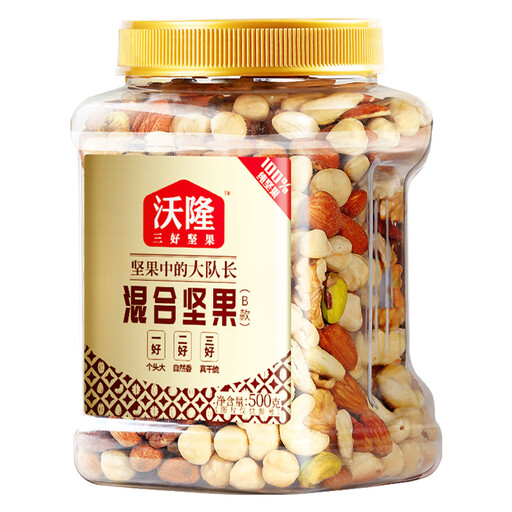
An option if you’re looking for a 500 g supply of mixed nuts.
The product information lists six types of nuts: almonds, cashews, hazelnuts, pecans, pistachios and walnuts.
 No image available
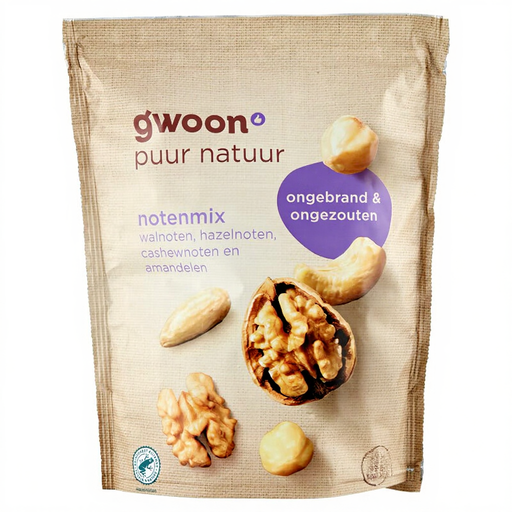
A good fit if you’re looking for a 500 g mix of unroasted, unsalted nuts.
According to the product information, the mix contains 30% hazelnuts, 30% walnuts, 20% almonds and 20% cashews. The product information states that it may contain traces of peanuts and other nuts.
 No image available
An option if you’re looking for a 500 g pack of peanuts in their shells.
The product information lists peanuts as an ingredient and states that it may contain traces of other nuts.
 No image available
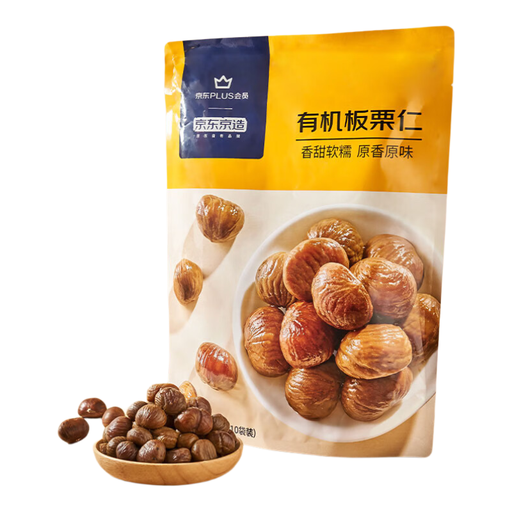
A good fit if you want to store chestnuts in individual portions or take them with you.
The product information lists 1 kg, split into ten 100 g bags, of peeled chestnuts that are ready to eat.
 No image available
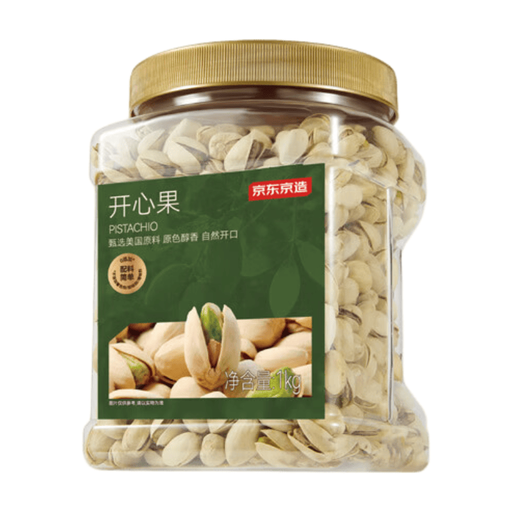
An option if you’re looking for a larger pack of pistachios and don’t need an unsalted variety.
The product information lists 99% pistachios and 1% salt; the nuts are roasted with salt.
Divide the pack price by the net weight in kilograms to compare the price per kilogram. Then compare only products that suit the same purpose: a pure nut mix, peanuts and seasoned nuts don’t contain the same thing.
Follow the storage advice for the exact product. For mixed salted nuts, the Netherlands Nutrition Centre recommends 6 months in a kitchen cupboard and 1 year in the freezer; for seasoned nuts, it recommends 2–5 days in a kitchen cupboard. These are guidelines for specific product categories, not general time limits for all nuts.
According to the Netherlands Food and Consumer Product Safety Authority (NVWA), allergen information for pre-packed products must appear on the label. Peanuts and nuts are listed as separate allergens. From 1 January 2026, new rules also apply to warnings about allergens that accidentally end up in food, for example through cross-contamination.
No. For the mixed nuts reviewed here, Jumbo warns that young children can choke on nuts. The fact that a pack is intended for families, or its weight, doesn’t in itself tell you whether it’s suitable for a particular age group.
Contact the seller and explain what’s wrong. According to the Dutch government, the seller must supply a product that meets requirements and can’t simply refer you to the manufacturer. The appropriate solution depends on the fault and how it’s dealt with; this is different from simply changing your mind about a purchase.