Start with your listening position. Choose floorstanding speakers if you have room for two large speakers and a suitable amplifier, or compare stereo pairs if you want separate left and right speakers positioned around a fixed listening spot. One larger Wi-Fi speaker needs less space for separate speakers, but stereo from a single enclosure is not the same as two speakers placed apart. Also check that the connections suit your music sources.
Which setup is right for you?
For listeners with a large open-plan living room
You want to hear music beyond the immediate vicinity of a small speaker, so you’re comparing larger setups and where they could go. Consumentenbond outlines general points to consider when choosing a wireless speaker, while KEF discusses choosing a speaker size to suit your room.
For album listeners with a regular listening spot
You can position speakers to your left and right and want to weigh up this setup against the convenience of a single speaker. Sonos explains stereo pairing for compatible speakers, while KEF provides information about the LSX II LT as a stereo pair.
For listeners with several music sources
You might switch between streaming and a connected playback device, for example, so the available input and any adapter you need could influence your choice. KEF, Sonos and Marshall outline the different connections and playback options available on their models.
What should you consider when choosing?
Passive floorstanding speakers
Choose this setup if: you have room for two large speakers and a separate amplifier.
The trade-off: the speakers don’t work on their own; check your amplifier and plan the cables.
Active stereo pair or two pairable Wi-Fi speakers
Choose this setup if: you want separate left and right speakers positioned around a regular listening spot.
The trade-off: the KEF LSX II LT speakers are connected by a cable; you’ll need two Sonos Five speakers to make a stereo pair.
One larger Wi-Fi speaker
Choose this setup if: you want to play music from a regular spot without having to position two separate speaker cabinets.
The trade-off: a single enclosure doesn’t offer the same positioning options as two speakers placed apart.
Bluetooth speaker with analogue inputs
Choose this setup if: Bluetooth and a direct analogue connection matter more to you than Wi-Fi streaming.
The trade-off: check that the playback options suit your music sources. An RCA input doesn’t prove that you can connect a turntable without a phono preamp.
| What to consider |
What should you check? |
Who is this important for? |
| Sound in a large room |
Compare the size and positioning of the complete setup with the room and your listening spot. Don’t treat a claim about room-filling sound as a measurement taken in your living room. |
If I want to hear music throughout a large, open-plan room, I focus mainly on the size and positioning of the system. Around 36% of consumers prioritise room coverage. |
| Stereo imaging from your listening spot |
Check that there’s space for two suitable speaker positions and whether the model is sold as a pair or individually. Also check how the speakers connect to each other. |
If you want to hear separate left and right channels from a regular listening spot, choose a setup with two speakers you can position separately. Around 29% of consumers prioritise this separate stereo setup. |
| Connecting music sources |
Make a note of your streaming services and external devices, then compare them with the inputs on the exact model. If you have a turntable, also check whether you need a phono preamp. |
If I switch between streaming and an external device, I want to know in advance whether the inputs and playback options work with my sources. Around 21% of consumers make source compatibility their main criterion. |
| Complete setup |
Before comparing systems, make a list of the speakers, an amplifier if needed, cables and any adapters. |
If you want to avoid extra equipment or installation work, check what you’ll need to complete your chosen setup. Around 14% of consumers prioritise these components and installation. |
Common buying mistakes
-
Confusing one enclosure with two separate stereo speakers
A standalone speaker may offer stereo playback internally, but it isn’t positioned with one speaker on the left and another on the right.
First decide whether separate left and right speakers around your listening spot are important to you, then compare the complete setup.
If you decide you want a stereo pair later, you may need a second speaker—and space for it.
-
Assuming a passive floorstanding speaker is a complete playback system
The KEF Q7 Meta is passive and, according to KEF, requires a suitable amplifier.
Check that your amplifier is compatible before you buy. Otherwise, factor in the amplifier and any connection accessories you’ll need to complete the system.
You’ll need an additional device to use the speakers if you don’t have a suitable amplifier.
-
Assuming ‘wireless’ means ‘no cables needed anywhere’
The KEF LSX II LT speakers are connected by a cable. According to Sonos, the Era 100 requires a separate adapter for its line input.
Plan where to put your speakers, power sockets and music sources, and check the connections on the exact model.
Depending on your chosen setup, you may need to route cables, buy an adapter or allow extra time for installation.
Brands to compare
KEF
Relevant models to compare if you’re weighing up a compact active stereo system against passive floorstanding speakers.
- KEF lists streaming and HDMI ARC for the LSX II LT. The Q7 Meta is a passive speaker, and KEF suggests floorstanding speakers as an option for larger rooms.
- The LSX II LT speakers are connected by a cable. The Q7 Meta needs a suitable amplifier; these features don’t prove that it will sound better in your living room.
Sonos
The Five and Era 100 are Wi-Fi speakers to compare if you’re considering one speaker or might want to make a stereo pair later.
- Sonos explains how to pair two Five speakers for stereo. The Era 100 supports Wi-Fi, Bluetooth and stereo pairing, according to Sonos.
- One speaker isn’t the same as a pair of two separate enclosures. According to Sonos, the Era 100 needs a separate adapter for its line input.
Denon
The Home 600 is an example of a standalone Wi-Fi home speaker with HEOS and Bluetooth.
- Denon specifies eight drivers, built-in subwoofers and AirPlay 2 for the Home 600.
- One enclosure doesn’t offer the same positioning options as two separate speakers. The manufacturer’s claims about spacious or detailed sound aren’t an independent comparison for your room.
JBL
The Authentics 500 is a larger home speaker to compare if you’re looking for Wi-Fi and Bluetooth in one enclosure.
- JBL lists Wi-Fi, Bluetooth and 3.1-channel playback. According to the specification sheet, Dolby Atmos Music requires compatible content and streaming services.
- JBL’s claim that the model can fill even the largest room doesn’t guarantee the same results in your living room.
Marshall
The Stanmore IV is worth considering if Bluetooth and analogue inputs matter more to you than Wi-Fi streaming.
- Marshall lists Bluetooth 5.3, RCA and a 3.5mm input for the Stanmore IV.
- It isn’t a like-for-like replacement for a Wi-Fi playback setup. An analogue input also doesn’t automatically mean you can connect every external device directly.
Joybuy products
These product picks are related to playing music in the living room and include soundbars, Bluetooth speakers and a pair of passive speakers. Check that the connections and setup for each model suit your large living room.
 No image available
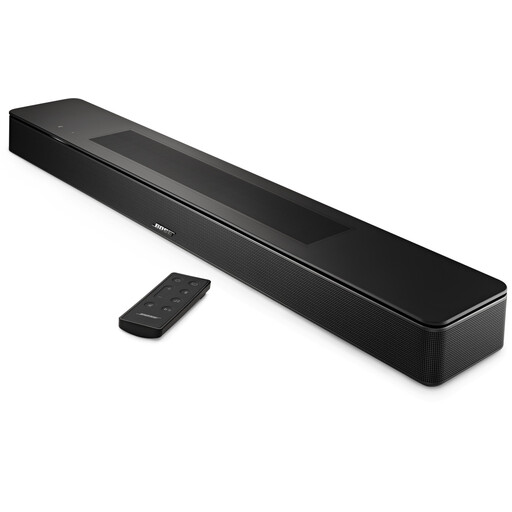
Bose Smart Soundbar, black
An option if you want to play music via Bluetooth, AirPlay 2, Spotify Connect or Chromecast.
Joybuy
 No image available
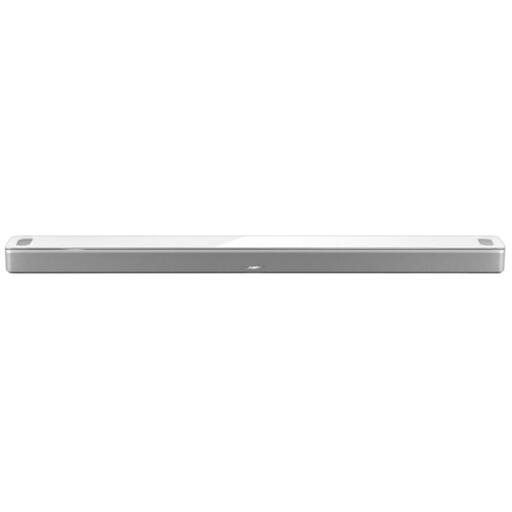
Bose Smart Ultra Soundbar, white
An option if you want to stream music via Wi-Fi or Bluetooth.
The product description lists six full-range transducers and up-firing drivers. Check that the speaker’s position on a piece of furniture or on the wall will work in your room.
Joybuy
 No image available
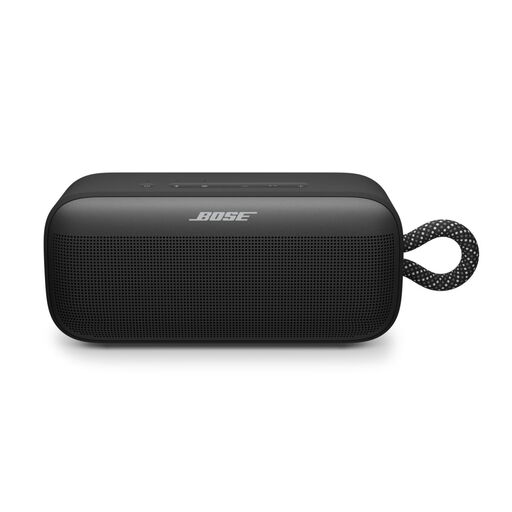
Bose SoundLink Plus, black
A portable Bluetooth speaker for playing music from a compatible device.
The product description lists IP67 and pairing two SoundLink Plus speakers. This product is for one speaker, so you’ll need a second one for that paired setup.
Joybuy
 No image available
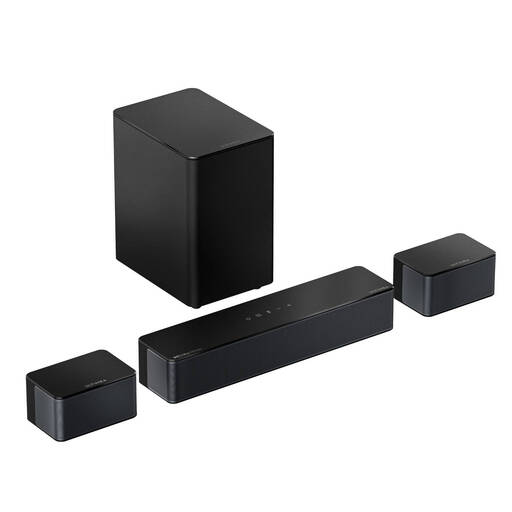
ULTIMEA Poseidon M4T 5.1ch Soundbar with 5.25'' Wireless Subwoofer
An option if you’re looking for a dedicated music mode and separate surround speakers.
The product name lists a wireless subwoofer. According to the product description, the two surround speakers are wired, so plan how to route their cables.
Joybuy
 No image available
HiVi-Swans D3.1MKII Passive Bookshelf Speakers, 6.5-inch, pair
A passive stereo pair for anyone who wants to listen to music in stereo from a regular listening spot.
The product description lists a 6.5-inch bass-midrange driver and a soft-dome tweeter. A separate amplifier is required.
Joybuy
Frequently asked questions
How should you position a stereo pair in your living room?
Start with your usual listening spot and check that there’s room for a speaker on either side. For compatible stereo pairs, Sonos recommends 2.5–3 metres between the speakers and a listening distance of 2.5–3.5 metres. This advice applies to that Sonos setup; it isn’t a required distance for every room.
Can you connect a turntable directly?
That depends on the turntable’s output and the input on the exact speaker model. Sonos lists an analogue 3.5mm input for the Five; according to Sonos, the Era 100 needs a separate adapter for its line input. Also check whether your turntable has a suitable phono preamp.
What should you know about warranties and online returns in the Netherlands?
If a product doesn’t meet the terms of your purchase, you can contact the seller under the statutory guarantee. According to the Dutch government, the Netherlands doesn’t have a fixed statutory guarantee period of two years. For eligible online consumer purchases, you generally have a 14-day cooling-off period. Check the terms and exceptions that apply to your order.
Are there Dutch safety requirements for an electric speaker?
Yes. The Dutch government states that electronic devices placed on the market in the EU must carry a CE mark. Check the product information and marking for the specific item you’re considering.
What can you do with your old speaker?
When you buy a new, similar electrical appliance, the retailer must take your old appliance free of charge under the Dutch ‘old for new’ scheme. The Dutch government explains that this also applies to online purchases and outlines alternatives if the delivery driver can’t take the old appliance away at the same time.


