
Vandaag of morgen in huis

Kwaliteit gegarandeerd

Welkomstaanbiedingen ontgrendelen: GRATIS bezorging | Tot 80% korting | Gratis 30 dagen JoyPlus-proefperiode
Download de app
A wet, muddy hallway is a familiar problem. You invest in a large doormat, hoping for a clean entryway, but after a few weeks, you're left with a curling, sliding obstacle that causes more frustration than it catches dirt. Many mats promise a lot but deliver very little.
Before you spend money on another mat that doesn't work, it's wise to understand the common pitfalls. Many people fall for clever marketing that hides a product's functional flaws.
A good entrance mat is an investment in a clean and safe home. It's not about the most beautiful design, but about the right specifications that fit your situation.
To avoid a bad purchase, it's important to look beyond the color and pattern. Three technical aspects determine whether a large doormat will do its job well: the material, the backing, and the dimensions.
Not every mat is the same. Its function is largely determined by the material of the top layer.
For most households, a combination of both or a mat with a strong scraping function is the most practical choice.
The safety of a doormat depends entirely on its backing. A mat that shifts is unusable. Pay attention to the following materials:
A large doormat should be big enough for you to step on with both feet before walking further into the house. A standard size like a 180 cm doormat or a long hallway runner is often more effective than a small mat. This ensures there is enough contact to remove dirt and moisture.
Also, check the maintenance instructions. Is the washable doormat actually suitable for a washing machine, or does "washable" just mean you can rinse it with a garden hose? For large mats, the latter is often the most realistic option.
Based on these functional criteria, we have selected a number of products that suit different needs and situations.
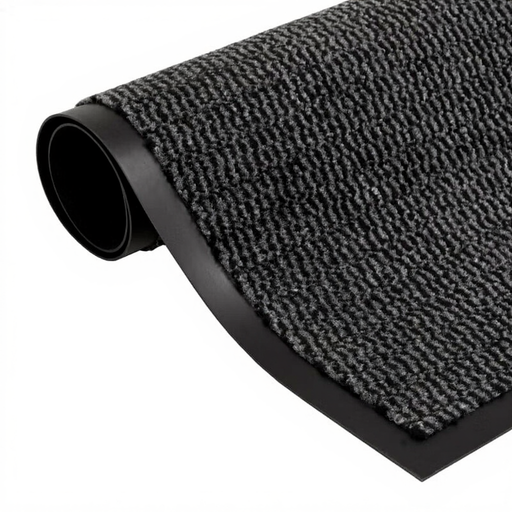
Why This Fits Their Persona: Ideal for a family with a spacious entryway or utility room. The 120 x 180 cm size covers a large area, reducing the amount of dirt tracked inside. Perfect for high-traffic areas.
This mat tackles the sliding problem with a flexible, rubber non-slip backing and a substantial total weight of 1,960 g/m?. It is designed as a functional dirt-trapper mat, not a purely decorative item.
Large size (120x180 cm) for maximum coverage. The polypropylene material is durable and effective at scraping dirt.
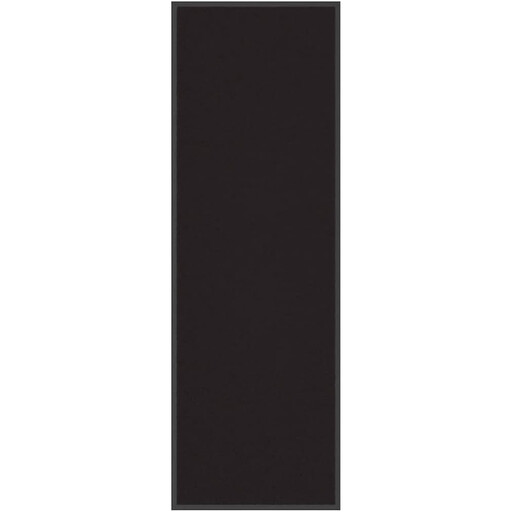
Why This Fits Their Persona: Perfect for those who want to keep a long, narrow space like a hallway or corridor clean. This hallway runner prevents dirt from being tracked further into the house, ideal for behind a sliding door or in a narrow entryway.
This is a pure dirt-trapper mat. The focus is on function: tufted polypropylene for scraping and a heavy non-slip PVC backing that keeps the mat in place. No frills, just an effective barrier against dirt.
The 60x180 cm dimension is ideal as a runner. The mat is easy to clean by shaking out, vacuuming, or rinsing off.
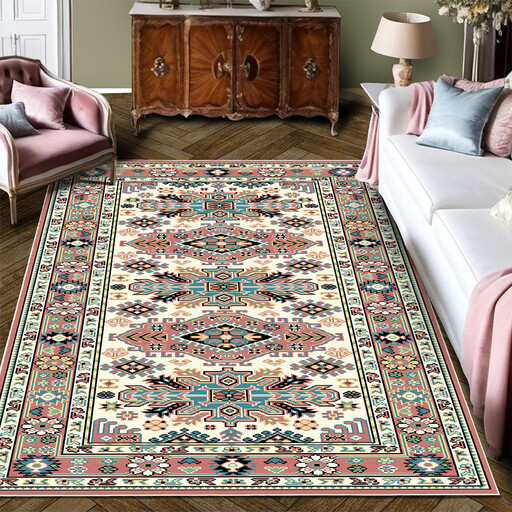
Why This Fits Their Persona: For those seeking a functional mat that is also an aesthetic addition to their interior. This rug combines a Persian-style pattern with the practical features you expect from an entrance mat.
This rug is specifically marketed as "Non-Slip," aiming to avoid the pitfall of a sliding, purely decorative mat. It is designed for entryways, which indicates a certain level of durability.
Combines an elegant, vintage design with a non-slip function. The soft material feels pleasant underfoot, while still being intended for a high-traffic area.
We have compiled a complete, up-to-date list of products that fully meet these strict selection criteria and safety regulations.
A scraper mat (or dirt-trapper mat) has hard, brush-like fibers (often polypropylene) to scrape coarse dirt and mud from shoes. An absorbent mat has soft, absorbent fibers (often cotton) to primarily soak up moisture. For an exterior door, a scraper mat is the first step, possibly followed by an absorbent mat inside.
Most large doormats cannot be put in a standard washing machine. The most effective methods are:
The best way to prevent a mat from sliding is to choose a model with a heavy, solid backing made of rubber or PVC. These materials naturally provide high resistance on smooth floors. Check the total weight of the mat; a heavier mat is less likely to shift than a lightweight alternative.
