
Budget-conscious weekly shoppers
You want to know whether a larger bag really works out cheaper. So compare the price per kilo and the contents, rather than relying on the words ‘value pack’ on the packaging.


A large bag of nuts makes sense for your weekly shop if you use it regularly, the price per kilo is right for the mix you want, and you can store the nuts properly once opened. Choose unsalted nuts as a starting point for regular use; a coated snack mix is a different choice. Compare the types of nuts and how they’re prepared, too: a larger pack doesn’t automatically contain the same mix.
You want to know whether a larger bag really works out cheaper. So compare the price per kilo and the contents, rather than relying on the words ‘value pack’ on the packaging.
You often eat nuts as a snack or add them to dishes, and you pay attention to the types of nuts and how the mix is prepared. The Netherlands Nutrition Centre includes unsalted nuts in its Wheel of Five guidelines.
You don’t eat the same amount of nuts every week, or you sometimes buy them separately for drinks and nibbles. Choosing a pack that suits your usage and can be sealed properly after opening helps you manage your stock.
Start by comparing the price per kilo, then look at what’s in the bag, how much you use and how you’ll store the nuts.
| What to consider | What to look for | Who should pay particular attention? |
|---|---|---|
| Price per kilo | The price per kilogram and the net weight; compare the ingredients, too. | If you’re mainly looking for a clear saving on your weekly shop, don’t rely on the ‘value’ label alone. Around 28% of consumers prioritise the price per kilo. |
| Choosing nuts for regular use | Check whether the nuts are unsalted, and read the ingredients and preparation method. | If you eat nuts regularly, you’ll want a mix that fits your everyday food choices. Around 22% of consumers prioritise this. |
| Quantity and storage | Estimate how much you use and check whether the pack can be resealed after opening. | If your consumption varies, you won’t want to open more stock than you can store properly. Around 22% of consumers focus on choosing a suitable pack size. |
| Types of nuts and flavour | Check the types of nuts, any stated percentages, and whether the mix contains oil or a coating. | If you’re looking for particular nuts or a specific flavour, you’ll want to know what the mix actually contains. Around 17% of consumers prioritise the ingredients. |
| Allergens | Read the current ingredients list and any warnings about possible cross-contamination. | If someone in your household has a relevant allergy, first check whether the product information is suitable for them. Around 11% of consumers prioritise allergen information. |
A larger bag isn’t automatically cheaper per kilogram. Among the PLUS packs reviewed, the price per kilo varies by pack size; that difference doesn’t necessarily apply to other shops or mixes.
Compare the price per kilo, then check that the quantity and ingredients suit how much you use.
Nut mixes can contain different types of nuts, proportions and preparation methods. For the 500 g mix reviewed, PLUS lists 30% walnuts, 30% blanched hazelnuts, 20% almonds and 20% cashews. Duyvis Borrelnootjes® Cocktail is a different type of product: according to Duyvis, this variety contains 50% peanuts and a coating.
Check the ingredients before comparing prices, and treat uncoated mixes and coated snack nuts as separate choices.
According to the Netherlands Nutrition Centre, nuts can go rancid, become tough or develop mould. A larger stockpile is only practical if you can seal and store it properly.
Store nuts in a cool, dark and dry place in an airtight container, and follow the instructions on the packaging.
An ingredients list that doesn’t include peanuts doesn’t automatically mean a product is suitable for someone with a peanut allergy. The PLUS mix reviewed also carries a warning that it may contain peanuts.
Read the current ingredients list and any warnings about possible cross-contamination, and assess whether the product is suitable for the person who’ll be eating it.
A separate option for drinks and nibbles, rather than an unsalted nut mix for everyday use.
The AH Unsalted Nut Mix reviewed is a 500 g mix containing almonds, hazelnuts, walnuts and Brazil nuts.
The 500 g Unroasted Nut Mix Value Pack reviewed is intended to be an unroasted, unsalted mix.
The 200 g nut mix reviewed is a smaller pack for anyone who wants to buy less stock at a time.
TRADER JOE'S Unsalted Nut Mix is a 500 g variety reviewed that lists four types of nuts.
The unroasted, unsalted nut mix reviewed is available in 200 g and 500 g packs.
These Joybuy products offer options for different nut and snack preferences, occasions and storage needs.
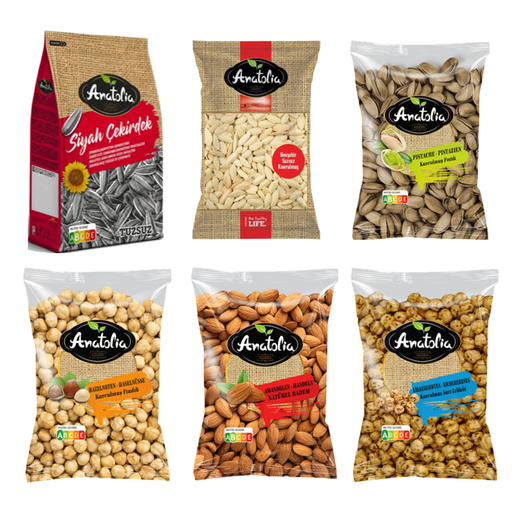 No image available
The seeds, nuts and chickpeas listed make this a different blend from a mix containing nuts only.
Check the current ingredients and allergen information before sharing the mix.
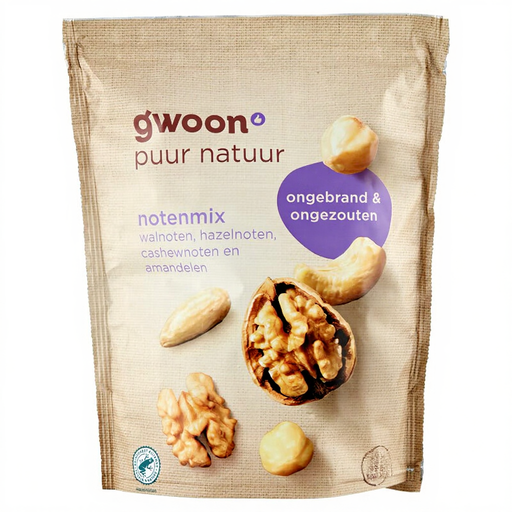 No image available
The title describes a 500 g pack of unroasted mixed nuts, suitable if you’re looking for this pack size.
The product information lists hazelnuts, walnuts, almonds and cashews; check the current allergen information.
 No image available
This is a pack of in-shell peanuts for snack time.
Remove the peanuts from their shells before eating. Check the allergen information.
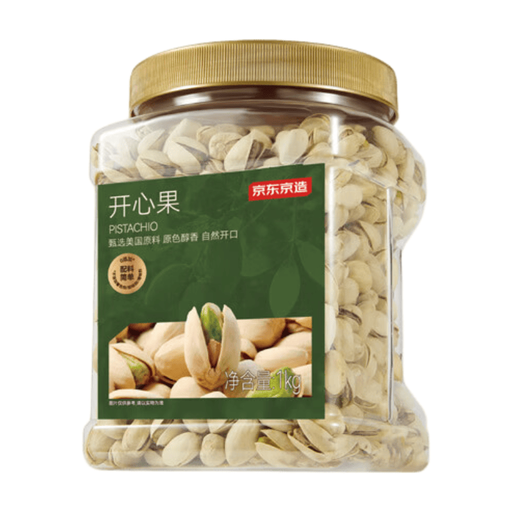 No image available
The 1 kg pack gives you a larger quantity of one type of nut.
The product information lists salt, so this isn’t an unsalted option for stocking up. Check the ingredients before buying.
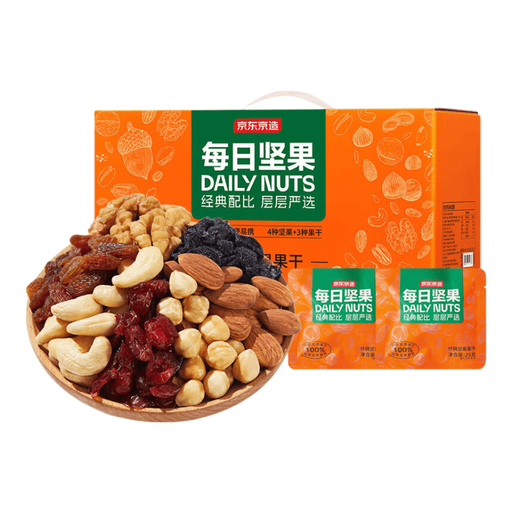 No image available
The 750 g pack is divided into 30 sachets.
This is a mix of nuts and dried fruit, not a mix containing nuts only. The nuts listed are walnuts, almonds, cashews and hazelnuts.
No, choose a quantity that matches how much you actually use. As an example, a 500 g pack contains twenty 25 g portions. Albert Heijn gives this portion size for the variety reviewed; it’s a stock calculation, not personal dietary advice.
Store nuts in a cool, dark and dry place in an airtight container, and follow the instructions on the packaging. As general guidance for mixed, unsalted nuts, the Netherlands Nutrition Centre recommends six months in a kitchen cupboard and one year in the freezer; this isn’t a guarantee of shelf life for every pack. Rancidity, toughness and mould are signs of spoilage.
No, these are different qualities. The AH Unsalted Nut Mix reviewed combines baked, roasted and unroasted nuts, and contains sunflower oil. The PLUS mix reviewed is described as unroasted and unsalted. Check both qualities separately in the product information.
Not automatically. Check the current warnings about possible cross-contamination, too, and assess the information for the person who’ll be eating it. The NVWA explains that allergens must be clearly identifiable in the ingredients list; that doesn’t automatically make a particular product suitable for everyone with an allergy.
Take extra care with whole nuts and peanuts for young children, as they can cause choking. The Netherlands Nutrition Centre recommends supervision and sitting calmly while eating. So a large family-size pack doesn’t automatically provide a ready-to-eat portion suitable for a toddler or young child.