For small Unity levels, you don’t automatically need a powerful gaming setup: Unity recommends 8 GB of RAM as the minimum for the editor, while larger and more complex projects may need more memory. For Blender on Windows, the Blender Foundation recommends 32 GB of RAM and 8 GB of video memory. Choose based on your software and project size, and weigh that against screen space, upgrade options and portability for university.
Who is this choice relevant to?
Small Unity level creator
Wants to get started in their student room with manageable levels, without automatically opting for a powerful gaming setup. Project size and complexity determine how much memory you may need. Unity recommends 8 GB of RAM as the minimum for the editor.
Creator of demanding 3D levels
Works with larger scenes or 3D assets and wants to check the RAM, video memory and upgrade options before buying. For Blender on Windows, the Blender Foundation recommends 32 GB of RAM and 8 GB of video memory.
Level designer between home and university
Takes their laptop with them regularly and weighs up screen space for the editor against a practical setup. Compare the dimensions, weight and ports of the exact model.
What should you look for in a laptop for level design?
Small Unity projects
Choose this option: if you mainly create manageable levels and the specific laptop is compatible with your version of Unity, operating system and graphics hardware.
Trade-off: Unity recommends 8 GB of RAM as the editor minimum, but that doesn’t guarantee comfortable performance with larger scenes.
Larger 3D projects
Choose this option: if larger scenes or a more demanding 3D workflow are important, and you’ve checked the RAM, GPU and storage configuration included.
Trade-off: The Blender Foundation recommends 32 GB of RAM and 8 GB of video memory for Blender on Windows; this isn’t a general requirement for every level design project.
Working at home and at university
Choose this option: if you move your laptop regularly or have limited desk space. Check the dimensions, weight and ports of the complete model.
Trade-off: A more compact screen takes up less room, but gives you less space for editor panels. Check that the display suits the way you work.
| What to consider |
What should you check? |
Who is this important for? |
| Capacity for your projects |
Check the requirements for your engine version, installed RAM, video memory and the full GPU specification. |
If I want to use larger scenes or more 3D assets, I look at the requirements of my own workflow; around 40% of consumers prioritise project capacity. |
| Screen workspace |
Compare the screen size and resolution with the desk space available and any external equipment you use. |
If I want to keep the scene and editor panels organised in my room, I consider the screen layout; around 23% of consumers prioritise their workspace. |
| Taking it to university |
Check the dimensions, weight, and which power adapter and ports you’ll need. |
If I regularly move my laptop between home and university, portability matters to me; around 23% of consumers prioritise mobility. |
| Upgrading capacity later |
Check the included memory capacity, available slots and storage options for the exact model. |
If I want to tailor the configuration to my projects now and upgrade it later, I check the options for each model; around 14% of consumers prioritise upgradeability. |
Buying pitfalls when choosing a laptop for level design
-
Assuming the editor minimum guarantees performance with large levels
Unity links the amount of RAM needed to the size and complexity of a project. Being able to launch the editor doesn’t automatically mean a large scene will run smoothly.
First, work out which engine you’ll use and how large your projects are likely to be. Then check the installed memory and whether the exact model can be upgraded.
-
Assuming every model in a range has the same components
A product family can include different GPUs, screens and ports. The specifications for one model don’t automatically apply to every laptop with the same range name.
Compare the full model number with the configuration you actually want to buy.
-
Assuming a power adapter is always included
For the MSI Cyborg 15 B13WEKG-802NL model, Joybuy states that the power adapter is not included as standard.
Check what’s in the box for the exact model and whether you’ll need a compatible adapter.
You may need to buy a compatible adapter separately for this model.
Brands and product ranges to consider
Lenovo
The LOQ 15IRX9 range may be worth considering if you want to compare upgradeable memory and ports.
- Lenovo lists two DDR5-SODIMM slots and, among other connections, HDMI and USB-C ports for this range.
- Graphics specifications vary by model. Check the full configuration, as range-level documentation doesn’t tell you which specifications apply to the model you’re buying.
ASUS
The ASUS TUF Gaming A15 (2024), including model FA507UV, is a useful comparison point for a 15.6-inch laptop with a dedicated laptop GPU.
- ASUS lists an RTX 4060 laptop GPU for the FA507UV.
- The product range includes different screen and system configurations. Check the full model number.
MSI
The Cyborg 15 B13W range includes models with different laptop GPUs to compare.
- MSI lists an RTX 5050 laptop GPU and one M.2 SSD slot for the B13WEKG.
- Check the regional model designation and whether the power adapter is included with your chosen model. Other B13W models may have different GPU specifications.
Laptops at Joybuy for level design
This selection includes laptops for smaller Unity projects and more demanding 3D workflows. Compare the specifications of each model with your software, project size and need to take your laptop with you.
 No image available
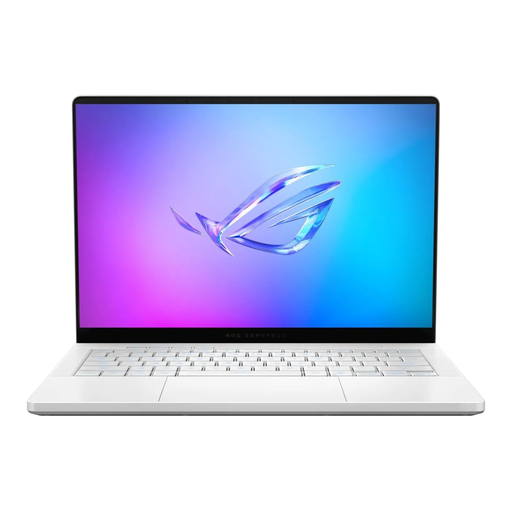
ASUS ROG Zephyrus G14 GA403UP-QS001W
The 14-inch size is worth considering if you have a smaller workspace or take your laptop with you. Compare this model with the requirements of your own projects.
According to the product name: Ryzen 9 270, RTX 5070, 32 GB RAM, 1 TB SSD and a QWERTY keyboard.
View at Joybuy
 No image available
ASUS V16 FX3607VP-RP061W
The 16-inch screen is worth comparing if you’re weighing up space for editor windows against the room the laptop takes up.
According to the product name: Intel Core 7 240H, NVIDIA GeForce RTX 5070 8GB, 16GB DDR5, 1TB SSD, WUXGA 144Hz, Windows 11 Home and Dutch QWERTY.
View at Joybuy
 No image available
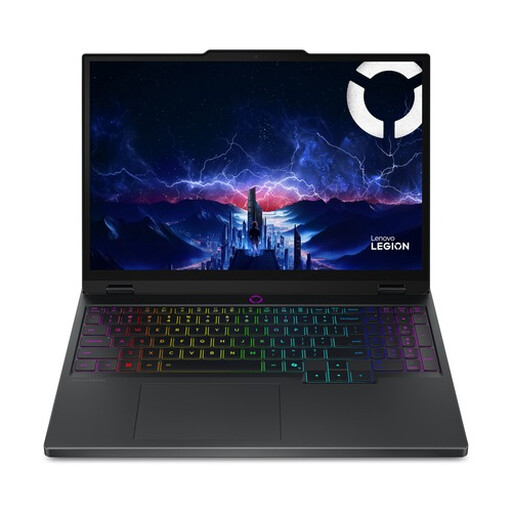
Lenovo Legion 5 15IAX10
This configuration is worth comparing if you’re looking for a dedicated GPU and weighing screen space for level editor panels against portability.
According to the product name: Core Ultra 7 255HX, RTX 5070, 16 GB RAM, 512 GB SSD, 15.1-inch screen and QWERTY keyboard.
View at Joybuy
 No image available
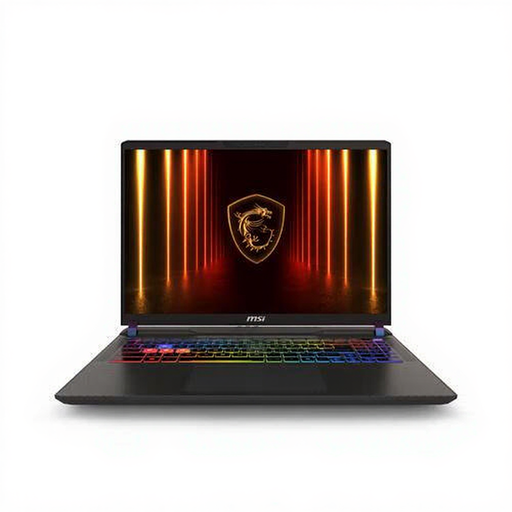
MSI Vector A16 HX A8WIG-025NL
Compare this configuration if you’re considering a dedicated GPU and a 16-inch screen. Check that the model suits your software and projects.
According to the product name: AMD Ryzen 9 8940HX, RTX 5080, 16 GB DDR5, 1 TB SSD and QWERTY keyboard.
View at Joybuy
 No image available
Lenovo IdeaPad Slim 5 15ARP10
An option to compare with the requirements of smaller Unity projects. According to the product information, the memory isn’t upgradeable, so consider whether the current capacity will suit your expected projects.
According to the product name: Ryzen 5 7535HS, 16 GB RAM, 512 GB SSD, 15.3-inch screen and QWERTY keyboard.
The power adapter isn’t included and must be purchased separately.
View at Joybuy
Frequently asked questions about laptops for level design
Is 8 GB of RAM enough to get started with Unity levels?
Unity recommends 8 GB of RAM as the minimum for the editor, but larger and more complex projects may need more memory. Base your choice on the projects and version of Unity you’ll actually be using.
Should I go straight for 32 GB of RAM for 3D levels?
Not for every level design project. The Blender Foundation recommends 32 GB of RAM and 8 GB of video memory for Blender on Windows, compared with lower minimum requirements. That recommendation doesn’t automatically apply to other engines or projects.
What should I check for my student room workspace?
Check that the exact laptop has the video output and other ports you need for your equipment. Also compare the screen size with the space the laptop and any external monitor will take up on your desk.
Who is responsible if my laptop develops a fault?
If a product is faulty, the seller is responsible for the statutory guarantee. ACM ConsuWijzer explains that a paid-for additional warranty doesn’t replace this legal right; check what extra cover it provides before you buy.
Can I return a laptop bought online in the Netherlands if it isn’t right for me?
For online consumer purchases, you generally have a statutory cooling-off period of up to 14 days after the product has been delivered. ACM ConsuWijzer lists some exceptions, so check the applicable terms before exercising your right to cancel.


