Start by choosing your word processor and checking that headings, navigation and the table of contents work as you need them to. A faster processor won’t improve your document structure on its own. Then decide whether you’d prefer more screen space or a more compact, portable model. For the specific configuration, check the keyboard, memory and compatibility with your software.
Who is this buying guide for?
Writer of long guides
You regularly rearrange chapters and subheadings and want to navigate using the document structure. How this works can vary between word processors and platforms; Microsoft Support, for example, explains the differences between Word for Windows, Mac and the web.
Writer who uses lots of reference material
You keep software, screenshots or reference sources open while you write. It’s worth considering how much you need to see on screen at once and how many programmes you usually have open.
Writer who works in different places
You regularly take your laptop with you and need to weigh up a handy size against the screen space you need to view your guide and reference material.
What should you look for when buying?
| What to consider |
What should you check? |
Who is this important for? |
| Document structure and software |
Test heading styles, navigation, moving sections and the table of contents in the software you plan to use. Also check that any required apps and peripherals work with your chosen platform. |
If I navigate between chapters a lot while writing, I want to know that my word processor supports it. Around 36% of consumers say their document workflow is their top buying priority. |
| Screen space |
Compare screen size and resolution. If you use an external monitor, check that the laptop has the connection you need. |
If I want to view my guide and reference material side by side, the amount of usable screen space matters. Around 29% of consumers say screen space is their top priority. |
| Taking your laptop to different workplaces |
Check the weight of the exact configuration and find out what test conditions were used to determine the stated battery life. |
If I often write in different places, I want a laptop that’s easy to carry without overlooking my screen needs. Around 21% of consumers put portability first. |
| Spending on a laptop for writing |
Compare the memory, keyboard and screen of each configuration. Consumentenbond says 8 GB of RAM is enough for light use and recommends 16 GB where possible. |
If my work mainly involves writing and everyday office tasks, I don’t want to pay for features I don’t need. Around 14% of consumers say price is their top buying priority. |
Common buying mistakes
-
Thinking a faster processor will fix confusing headings
Navigation and the table of contents depend on your word processor and how you use heading styles, not just on your laptop’s processor.
Try setting up the heading structure you need in your word processor first. Then decide what hardware suits the rest of your work.
-
Assuming every configuration in a laptop range is the same
The screen, processor, memory and service terms can vary between configurations. The model name alone doesn’t confirm that the specifications match.
Compare the full model code and the configuration you plan to buy. Don’t treat an older ranking as proof of current prices or availability.
-
Choosing a platform without checking the software you need
Word’s navigation features work differently across platforms. With Windows on Arm, you may need to check that specific apps and printer installations will work.
Before buying, check the exact versions of your word processor, business software and printer software.
Brands to compare
Lenovo
The ThinkPad E14 is a 14-inch business range worth considering if portability and Windows are important to you.
- For one ThinkPad E14 Gen 7 configuration available in the Netherlands, Lenovo lists features including an anti-glare 14-inch WUXGA screen and 32 GB of RAM.
- Check the keyboard layout and exact configuration; these specifications don’t apply to every ThinkPad.
HP
The ProBook range includes 14- and 16-inch business models, giving you the choice between a more compact laptop and extra screen space.
- For selected ProBook 4 configurations, HP lists Windows 11 Pro, 16 GB of RAM and a 512 GB SSD.
- Specifications and service terms vary by configuration. This information isn’t an independent performance test.
Apple
The MacBook Air is a macOS option if you use document software on a Mac and want a portable laptop.
- For the MacBook Air with M5, Apple lists 13.6-inch and 15-inch configurations, with 16 GB of memory in the base configuration.
- Microsoft Support explains that the navigation pane in Word for Mac works differently from Word for Windows. Apple’s stated battery life is based on testing.
ASUS
The Vivobook S16 is a large-screen range worth considering if you want more room to work on a single screen.
- Joybuy’s product information for one Vivobook S16 configuration lists 16 GB of RAM, a 512 GB SSD and a Snapdragon X processor.
- For a Windows on Arm configuration, check that your specific apps and peripherals will work.
Acer
The Swift Go 14 is a compact Windows range worth comparing if portability is important to you.
- For model NX.KTSEH.007, Acer lists a glossy 14-inch OLED screen and a weight of around 1.32 kg.
- A glossy screen may be a consideration in bright conditions. These features apply to this model, not the entire Swift range.
Laptops at Joybuy
This selection includes laptops for writing guides, with both models offering more screen space and compact options for working in different places.
 No image available
ASUS Vivobook 18 M1807HA-S16512W, Ryzen 7 260, 16 GB, 512 GB SSD, blue, QWERTY
An option if you’d like a large built-in screen for working on your guide.
The product name lists an 18.4-inch screen, 16 GB of memory and a 512 GB SSD. A compatible 45–65 W USB-C PD charger is required but isn’t included.
View product at Joybuy
 No image available
Apple MacBook Air 15-inch M5, 16 GB, 512 GB, Starlight, QWERTY
A Mac option if you use your word processor and other essential software on macOS.
The product name lists a 15-inch screen, 16 GB of memory and 512 GB of storage. The power adapter isn’t included. Microsoft Support explains the differences between the navigation pane in Word for Mac and Word for Windows.
View product at Joybuy
 No image available
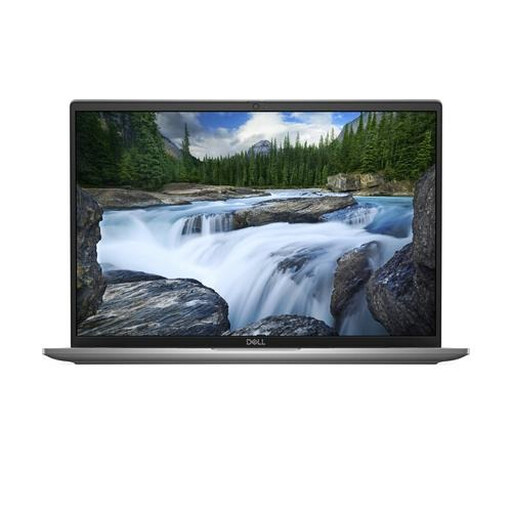
Dell Latitude 7650, Intel Core Ultra 7 155U, 16-inch Full HD+, 16 GB LPDDR5x, 512 GB SSD, Wi-Fi 7, Windows 11 Pro, QWERTY
An option if you’d like a larger built-in screen while you write.
The product name lists a 16-inch Full HD+ screen, 16 GB of LPDDR5x memory and a 512 GB SSD. The power adapter must be purchased separately.
View product at Joybuy
 No image available
Lenovo IdeaPad Slim 3 14AHP10 R7, 16G, 512G, 11H, QWERTY
A compact option to consider if you use your laptop in different places.
The product name lists a 14-inch configuration, 16G, 512G and 11H, with a QWERTY keyboard.
View product at Joybuy
 No image available
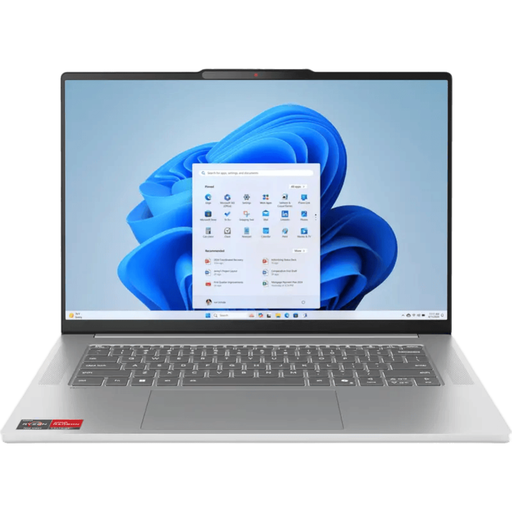
Lenovo IdeaPad Slim 5 15ARP10 R7, 16G, 512G, 11H, QWERTY
An option if you want more built-in screen space but still need to take your laptop with you.
The product name lists a 15.3-inch screen, 16G, 512G and 11H, with a QWERTY keyboard. A compatible USB-C power adapter must be purchased separately.
View product at Joybuy
Frequently asked questions
Do I need a powerful laptop for nested headings?
Not for the headings alone. Start by choosing a word processor with the heading styles and navigation features you need. Consumentenbond says 8 GB of RAM is enough for light use and recommends 16 GB where possible if you use more programmes at the same time.
How can I make sure my table of contents includes subheadings?
Use proper heading styles rather than simply making text bold. In Word, you can choose how many heading levels appear in the table of contents. In Google Docs, you can apply heading styles and refresh the table of contents after making changes.
What should I check if I need specific software or a printer?
Check that the apps and peripherals you need work with your chosen operating system and processor architecture. Microsoft Support says many Windows apps work on Windows 11 for Arm, but also notes that software and printer installations can differ. General compatibility information doesn’t confirm that your specific app will work.
What warranty applies to a laptop bought online?
If a laptop develops a fault sooner than you could reasonably expect during normal use, the seller must put it right free of charge, according to ACM ConsuWijzer. A manufacturer’s warranty doesn’t replace your statutory rights. If you’re buying through a platform, check who the seller is.
Can I return a laptop bought online if I don’t like it?
For online consumer purchases, ACM ConsuWijzer says you generally have a statutory 14-day cooling-off period after delivery, subject to legal exceptions. Check the returns information and who the seller is; don’t assume the same rules apply to a business purchase.


