
Long-form writer
You mainly write longer pieces and want a comfortable keyboard and an easy-to-read screen. Lenovo Netherlands highlights the keyboard, portability, battery life and screen quality as important considerations for writers.


First, choose the writing software you want to use to organise your chapters, then try out the keyboard and screen during longer writing sessions. A standard laptop for office work may be all you need; only pay extra for a larger screen, lower weight or a different software ecosystem if those features are genuinely important to you. If you use a Chromebook, check in advance that your files and programmes will work offline too.
You mainly write longer pieces and want a comfortable keyboard and an easy-to-read screen. Lenovo Netherlands highlights the keyboard, portability, battery life and screen quality as important considerations for writers.
You rearrange memories, recipes and sections, and want to know how your writing programme handles headings and tables of contents. Microsoft Support explains how to navigate headings in Word for Windows; Apple Support shows how Pages uses paragraph styles to create a table of contents.
You also work away from your usual desk and need to weigh up screen space, portability and reliance on an internet connection. Google Chromebook Help explains how to make Drive files available offline and notes that some apps don’t work offline.
A good fit if: you want to use Word for Windows and are looking for a standard laptop. Microsoft Support says that heading styles make headings appear in the Navigation pane.
Bear in mind: you don’t automatically need extra performance for writing; check the screen specifications, weight and what’s included.
A good fit if: you want to write on macOS and perhaps use Pages; Apple Support explains how paragraph styles can be used to build a table of contents.
Bear in mind: compare the model with a standard office laptop and check that your existing software and files fit your workflow.
A good fit if: Google Docs suits your writing process and you don’t need a specific desktop application.
Bear in mind: make files available offline in advance and test your writing programme; Google Chromebook Help notes that some apps don’t work offline.
| What to consider | What should you check? | Who is this important for? |
|---|---|---|
| Typing and reading | Try the layout and key feel of the exact model. Read some text on the screen and weigh up the available reading space against the weight. | If you write long passages in one sitting, you’ll want a keyboard and screen that suit the way you work. Around 36% of consumers put typing comfort and readability first. |
| Organising chapters | Choose your writing programme first, then test its heading styles, navigation and tables of contents. Also check that your files work properly with the laptop. | If you often rearrange recipes and memories, you’ll want to move easily between sections. For around 29% of consumers, document structure is the top priority when choosing. |
| Working on the go and offline | Compare the weight and screen size of the exact model. Test in advance whether your programme and files work without an internet connection; Google Chromebook Help warns that some apps don’t work offline. | If you write in different places or sometimes don’t have internet access, being able to access your manuscript matters. Around 21% of consumers prioritise working on the go and offline. |
| Essentials and budget | Match the configuration to your writing programme and check what’s included with the exact model. Consumentenbond suggests a modest configuration as a guide for basic office applications, rather than a fixed requirement. | If you mainly write text and want to avoid unnecessary extras, you can compare models on that basis. Around 14% of consumers prioritise basic functionality at a lower cost. |
An impressive list of components won’t tell you how comfortable the keyboard feels or how easy the screen is for you to read.
Try typing and reading on the exact model before treating extra performance as a deciding factor.
Google Chromebook Help says Drive files need to be made available offline in advance and that some apps won’t work without an internet connection.
Test your manuscript and writing programme offline before relying on a Chromebook for writing on the go.
What comes with a laptop varies by model; for example, an HP store listing mentions a recommended adapter that’s sold separately.
Check what’s included with the exact offer and read what any additional warranty cover provides on top of your statutory rights.
The recommended USB-C adapter for the HP model mentioned may be sold separately.
A macOS option for anyone who wants to work in Pages; Apple Support explains how paragraph styles can be used to create a table of contents.
The OmniBook X Flip 14-kb0606ndx is a Windows 2-in-1 option to compare if you’re looking for a convertible design.
The Chromebook Plus 514 range offers a ChromeOS option for writing in Google Docs; always check the exact part number.
The ThinkPad E14 Gen 7 (Intel) is a Windows option to compare if you’re looking for a business laptop with a range of ports.
These Joybuy products include Windows laptops for Word and MacBooks for working in Pages; choose the option that suits your writing programme.
 Image unavailable
A Windows model to consider if you use Word’s heading styles to navigate between chapters.
The product name lists a 15.6-inch laptop with a QWERTY keyboard. The product description mentions Windows 11 Home, 8 GB RAM, a 256 GB SSD, a Full HD anti-glare screen and a weight of 1.70 kg.
 Image unavailable
A macOS option to consider if you use Pages for chapters and a table of contents.
This model has 16 GB of memory, a 512 GB SSD and a 13.6-inch screen. The product description lists a weight of 1.23 kg.
 Image unavailable
A Windows 2-in-1 to consider if Word for Windows and a convertible design suit the way you work.
The product description lists 16 GB of memory, a 512 GB SSD and a 14-inch OLED touchscreen. A USB-C charger of at least 45 W isn’t included and must be purchased separately.
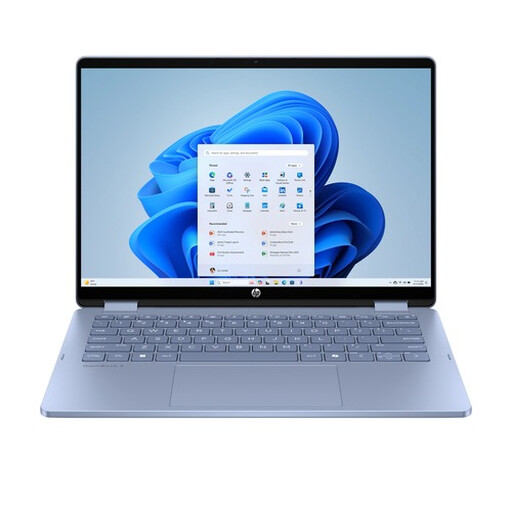 Image unavailable
A Windows laptop to consider if you want to view documents on a touchscreen or in tablet mode too.
The product description lists a 14-inch touchscreen with a resolution of 1920 × 1200, 8 GB of memory and a 512 GB SSD. The laptop can be used in laptop, tablet, tent and stand modes. A compatible USB-C charger and stylus are not included.
 Image unavailable
A macOS option to consider if you use Pages and want more screen space than the 13-inch model offers.
This model has 16 GB of memory, a 512 GB SSD and a 15.3-inch screen. The USB-C power adapter of at least 35 W isn’t included.
Not just for planning chapters. Microsoft Support explains how Word for Windows displays headings with heading styles in the Navigation pane; Apple Support shows how Pages can create a table of contents from paragraph styles. Start by choosing the software feature you want to use, then choose a laptop to suit it.
Use heading styles for chapters and sections rather than formatting headings for appearance alone. Microsoft Support explains how to navigate using heading styles in Word for Windows; Apple Support describes how Pages uses paragraph styles for a table of contents.
Yes, if you make the Drive files you need available offline in advance and your writing programme works without an internet connection. Google Chromebook Help says changes will sync the next time you connect and that some apps don’t work offline; test your own workflow before you head out.
It depends on the model. HP lists a recommended adapter, sold separately, for one OmniBook model it reviewed; check what’s included with the specific offer before you choose.
For distance purchases, you usually have a 14-day cooling-off period, according to the Dutch Government; the seller must provide information about the product and cooling-off period, among other things. The statutory guarantee also gives you the right to receive a product that is as it should be. Check the terms of the specific purchase.