What should you consider when choosing?
First, establish which software and architecture your project requires. Then compare noise levels, capacity for your everyday workflow, and the screen and connectivity your workspace needs.
Fanless MacBook Air M5
Best for: those who value having no fan noise and can run their IDE and testing tools on macOS with arm64.
Bear in mind: check your project’s architecture and the ports you need.
Configurable Windows laptop
Best for: those whose project requires Windows or who value business features and ports.
Bear in mind: vents or a description of the cooling system won’t tell you how noisy a specific configuration will be during your tests.
Windows laptop with more local memory
Best for: those who regularly use browsers or local test services alongside their IDE and want to compare configurations to suit.
Bear in mind: built-in memory isn’t always upgradeable; also check fan noise under load.
| Consideration |
What should you check? |
Who is this most relevant to? |
| Noise during tests |
Check whether a fanless design suits your software. For a laptop with a fan, look for information about the exact configuration and workload. |
If you work in a quiet study, you’ll want to know whether the cooling system might be audible. Around 36% of consumers prioritise quiet above all else. |
| Project compatibility |
Check the operating system, processor architecture, IDE and any container workflow against your project documentation. |
If your tests rely on specific software or containers, that environment must be able to run on the laptop. Around 29% of consumers prioritise project compatibility. |
| Memory and storage |
Compare the configuration with what you use at the same time; also check whether the memory is upgradeable. |
If you open browsers or local services alongside your IDE, your overall workflow matters. Around 21% of consumers prioritise capacity for multitasking. |
| Workspace and size |
Compare the screen size, ports and keyboard of the exact configuration with your workspace and peripherals. |
For everyday work at a desk or in different locations, screen space and size can be decisive. Around 14% of consumers start with their workspace and portability needs. |
Products at Joybuy
This selection includes MacBook Air M5 models and Windows laptops for development work. Compare the exact configuration for software compatibility, memory and the needs of your workspace.
 Image unavailable
MSI Modern 14 F1MG-867NL
A Windows configuration to consider if you’re looking for a 14-inch laptop for development work; check fan noise while running your tests.
Intel Core 7 150U, 16 GB DDR4 memory and a 512 GB SSD. The memory is upgradeable to 64 GB.
The screen is 14 inches and anti-glare. The configuration has a backlit keyboard and weighs 1.40 kg according to the product description.
View at Joybuy
 Image unavailable
MSI Venture 16 AI A2HMG-068NL
This Windows configuration may suit you if you use several apps alongside your IDE and want a larger screen; check that it meets the needs of your test environment.
Intel Core Ultra 7 255H, 32 GB DDR5 memory and a 512 GB SSD. The 16-inch screen has a resolution of 1920 × 1200 and a 16:10 aspect ratio.
The product description states that this configuration is supplied without a power adapter.
View at Joybuy
 Image unavailable
Apple MacBook Air 13-inch M5, 24 GB, 1 TB
An option to compare if quiet operation matters and your development environment runs on macOS and Apple silicon. Apple describes the MacBook Air M5 as fanless.
This configuration lists 24 GB of memory, a 1 TB SSD and two Thunderbolt 4 ports.
The product description gives a weight of 1.23 kg and a screen size of 13.6 inches.
View at Joybuy
 Image unavailable
Apple MacBook Air 15-inch M5, 16 GB, 512 GB
This configuration is an option if you want a larger built-in screen and your software runs on macOS and Apple silicon. Apple describes the MacBook Air M5 as fanless.
The configuration lists 16 GB of memory, 512 GB of storage and two Thunderbolt 4 ports.
According to the product description, the screen measures 15.3 inches diagonally and the laptop weighs 1.51 kg.
View at Joybuy
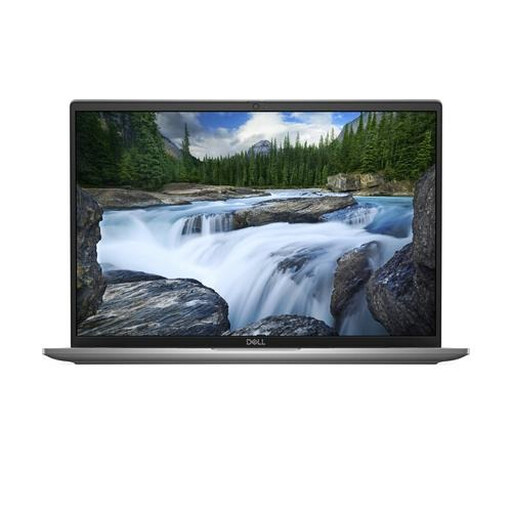 Image unavailable
Dell Latitude 7650, Intel Core Ultra 7 155U
A Windows configuration to consider if you’re looking for business features and ports for peripherals. The description doesn’t specify how noisy the fan is during tests.
Intel Core Ultra 7 155U, 16 GB LPDDR5x memory and a 512 GB SSD. The 16-inch screen has a resolution of 1920 × 1200 and a 16:10 aspect ratio.
The product description states that the power adapter must be purchased separately.
View at Joybuy
Frequently asked questions
Is 8 GB of RAM enough for writing unit tests?
It depends on your overall workflow. JetBrains recommends 8 GB of total RAM for IntelliJ IDEA, with 3 GB available for IDE processes; that doesn’t guarantee enough for the IDE, browsers, containers and your tests running at the same time. Factor in the requirements of the processes you use.
How can you use a laptop with a fan in a quiet workspace?
Place the laptop on a flat, hard surface and keep the vents clear. Lenovo also recommends removing dust from the vents when the PC is switched off, and checking CPU-intensive applications if the laptop gets hot. This doesn’t prove that a model will remain quiet during tests.
Should you buy an additional warranty when ordering a laptop online?
No, you don’t need an additional plan to have statutory guarantee rights when buying as a consumer. According to the Dutch government, the seller must provide a solution if there’s a problem. Compare a paid service plan with your existing rights and check exactly what extra cover it offers.
Can you return a laptop bought online in the Netherlands if it isn’t right for you?
For online consumer purchases, you generally have a statutory cooling-off period of up to 14 days after delivery, according to ACM ConsuWijzer. Check the applicable exceptions and returns terms; this alone doesn’t tell you whether a laptop is suitable.
Are there extra software costs if your tests use Docker Desktop?
This may depend on the user and organisation. Docker states that commercial use of Docker Desktop by larger businesses with more than 250 employees or annual revenue exceeding $10 million USD requires a paid subscription. Check the licence terms for your situation.


