What should you look for when choosing?
First decide how many charts and sources you want to view at once. Then compare the RAM, portability and software compatibility of the exact configuration you’re considering.
| What to consider |
What to look for when buying |
Who is this important for? |
| Charts and sources side by side |
Compare the screen size, resolution, aspect ratio and screen finish of the exact configuration. A larger screen gives you more physical workspace, but takes up more room in your bag. |
If I want to put a tidal chart alongside articles and notes, I need to be able to read both comfortably without constantly scrolling. Around 33% of consumers say screen space is their top priority when buying. |
| Running programmes |
Check how much RAM the configuration has and whether it can be upgraded. The Dutch Consumers’ Association recommends 8 GB for light use and, if possible, 16 GB for running several programmes at once. |
When I switch between browser sources and different programmes, I want enough RAM without an unnecessarily large screen. Around 27% of consumers prioritise multitasking. |
| Taking it with you and working on the go |
Check the weight and dimensions of the exact model. Only compare stated battery life when the testing conditions are similar; the manufacturer’s maximum estimate won’t predict exactly how long it will last for you. |
If I often take my laptop with me, a more compact size may matter more than extra screen space. Around 20% of consumers put portability first. |
| Software and offline files |
Find out which applications and file formats your course requires. If you’re considering ChromeOS, check that they work and that you can access your sources offline; Google warns that some apps don’t work offline. |
If my course programmes or files aren’t always available online, I want to make sure my laptop can handle them first. Around 20% of consumers start by checking software access and offline use. |
Joybuy products for your studies
This selection focuses on laptops with room for charts and multiple references, including a few 2-in-1 models with touch controls.
 Image unavailable
HP OmniBook X Flip NG AI PC 16-as0050nd
Ideal if you want to view charts and sources side by side and make use of touch or tablet modes.
16-inch touchscreen with a 16:10 aspect ratio and 1920 × 1200 pixels.
The description lists laptop, tablet, tent and stand modes, as well as Windows 11 Home.
View at Joybuy
 Image unavailable
Lenovo Yoga 9 16N1X11 83N70020MH, 16-inch 2-in-1
Ideal if you want a large touchscreen for charts and several open programmes.
The configuration described has a 16-inch OLED touchscreen with 2880 × 1800 pixels and supports pen input.
32 GB RAM, 1 TB SSD and QWERTY keyboard.
View at Joybuy
Image unavailable
Lenovo Yoga 9 16N1X11 83N70021MH, 16-inch 2-in-1
Ideal if you want to combine a touchscreen and 2-in-1 design with space for several programmes.
The configuration described has a 16-inch screen, 32 GB RAM and a 512 GB SSD.
The product description lists an OLED touchscreen with pen support and a QWERTY keyboard.
View at Joybuy
 Image unavailable
MSI Venture 16 AI A2HMG-068NL
Ideal if you want a 16-inch screen and 32 GB of memory for studying with several programmes.
16-inch anti-glare screen, 1920 × 1200 pixels and 144 Hz; the description gives the weight as approximately 1.9 kg.
Intel Core Ultra 7 255H, 32 GB DDR5 RAM, 512 GB PCIe 4.0 SSD and Windows 11 Pro.
According to the product description, this configuration doesn’t include a power adapter.
View at Joybuy
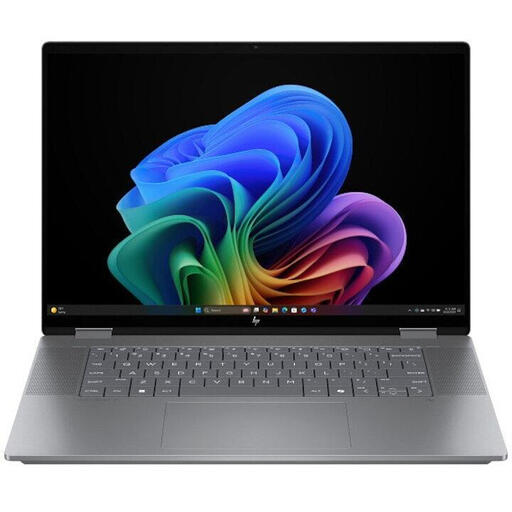 Image unavailable
HP OmniBook X Flip NG AI PC 16-ar0070nd
Ideal if you want a large screen for charts alongside different ways to use your laptop.
The description lists a 16-inch OLED screen with a 16:10 aspect ratio and 2880 × 1800 pixels.
24 GB of memory; the configuration described has laptop, tablet, tent and reverse modes.
View at Joybuy
Frequently asked questions
Do you need a powerful graphics laptop for tidal landscape charts?
Not just to view existing charts and reference materials. Start with readability, the number of programmes you use at once and your course’s software requirements. Check any more demanding needs separately if you also edit maps or create renders.
Can you access your references on a Chromebook without an internet connection?
Some Google Drive files are available offline once you’ve enabled offline access and synced the files. Google warns that some apps don’t work offline, so check in advance that your sources and the applications you need will still be available.
How can you set up your laptop for long reading sessions?
Adjust your workspace and change your posture regularly. The Arboportaal recommends using a separate keyboard and mouse when working on a laptop, and you could also use an external screen or laptop stand. Workplace regulations for employees aren’t automatically legal requirements for students.
What are your rights if your laptop breaks?
When you buy as a consumer in the Netherlands, you’re covered by the statutory guarantee: you’re entitled to a product that works properly, and the seller must provide a solution if there’s a valid fault. According to the Government of the Netherlands, there’s no fixed statutory guarantee period. Check what extra cover a paid warranty package provides.
Do you have a cooling-off period when buying a laptop online in the Netherlands?
According to the Government of the Netherlands, online purchases made at a distance from a business generally come with a 14-day cooling-off period. Check the applicable terms and exceptions; purchases from private sellers aren’t covered by the same distance-selling rules.


