
Daily train commuter
You take your laptop with you often and want to read and type easily during your journey. So compare its size and weight with the screen space available at your seat. NS explains which facilities may be available on the train.


First, choose a laptop that runs your required study software and supports your note files. Then compare its weight, screen space and battery life for your train journeys. Windows, ChromeOS and macOS suit different software and offline features, while Wi-Fi and power sockets may not always be available on the way.
You take your laptop with you often and want to read and type easily during your journey. So compare its size and weight with the screen space available at your seat. NS explains which facilities may be available on the train.
You want to keep working without an internet connection and sync your files later. Check in advance that your app and files are available offline; Microsoft Support and Google Chromebook Help explain the options for working with files and notes without internet access.
You need enough capability for writing and basic office software, without paying for performance you don’t need. The Consumentenbond and Studentenwegwijzer recommend taking your course requirements into account when choosing.
NS says that Wi-Fi and power sockets can vary by train type and route. So first check whether your software and files work offline, then compare portability, screen and battery life for your journey.
A good fit if: your course requires Windows or you want to work with documents stored locally.
Consider: how the screen space compares with the weight and specifications of the configuration you’ll carry every day.
A good fit if: your note-taking apps and files are supported by ChromeOS, and you can set up offline access in advance.
Consider: not every app works offline; also check the final automatic update date for the exact model.
A good fit if: your course software is compatible with macOS.
Consider: compare the price of the exact configuration, and don’t treat battery tests for specific activities as a guarantee of runtime on your journey.
A good fit if: you want to annotate notes on a touchscreen as well as type.
Consider: check the keyboard and weight, and whether a pen is included with the specific configuration.
| What to consider | What to look for | Who it matters to |
|---|---|---|
| Portability and screen space | Compare the dimensions and weight of the exact configuration with where you’ll be working and how much room you need for your notes. | If I take my laptop with me often and want to read and type in a limited space, both weight and screen space matter. Around 26% of consumers prioritise portability. |
| Offline access | Make files available offline in advance, then check that your note-taking app opens, saves changes and syncs later without a connection. | I want to keep working during a journey, even if my files would otherwise only be available online. Around 21% of consumers prioritise offline access. |
| Battery life and charging options | Compare the activity used to test a battery-life claim with how you use your laptop, and check what charging options are available on your journey. | If I want to work without a power socket, I check the basis of the battery test and how long my own journey will take. Around 21% of consumers prioritise battery life. |
| Purchase cost and features | First check your software requirements, then compare the configuration and any accessories you may need. | I’m looking for a configuration that can handle my note-taking and required software, without paying for extra features I don’t need. Around 16% of consumers prioritise purchase cost. |
| Software compatibility | Check which operating systems and file types your course requires, and test your own app and its offline features. | If my course requires a particular programme or file type, that must come before size or preference. Around 16% of consumers prioritise software compatibility. |
The stated activity and test conditions may differ from how you use your laptop for notes, and charging points aren’t always available on the way.
Compare the test conditions with your own apps and usage, and plan to work without a power socket if needed.
A file that’s only stored online won’t automatically be available when you lose your connection.
Make your notes and files available locally in advance, then check that you can open and save them without Wi-Fi.
A required programme or app feature may limit your options. Chromebook offline features also vary by app.
Check your course requirements and your own files before comparing Windows, macOS or ChromeOS.
What’s included in an offer varies by configuration. Your statutory warranty rights don’t depend on buying additional cover.
Check what comes with the exact offer and compare any additional cover with your statutory rights.
A suitable charger or additional cover may be offered separately, depending on the deal; check what’s included with the configuration.
Acer offers a Windows option, including the Aspire Go 14 AG14-32P-39GD, as well as a separate Chromebook range running ChromeOS.
The ASUS Vivobook 14 M1407GA-LY012W is a Windows option with a compact screen and room for documents.
The 13-inch MacBook Air with M5 chip is a macOS option if the study software you need is available for it.
The HP OmniBook 5 14-inch Flip range is worth considering if you want to type and annotate on a touchscreen.
The 14-inch Yoga Slim 7 Gen 10 is a Windows option for comparing compact models with different screen and storage configurations.
This selection includes Windows laptops for typing notes and editing documents, as well as a few 2-in-1 models that also let you work with touch. Check which accessories are included with the configuration you choose.
 No image available
A good choice if you want to type notes and also use the touchscreen to annotate them.
14-inch touchscreen with 1920 × 1200 resolution, 8 GB memory and a 512 GB SSD; Windows 11. A compatible USB-C charger and stylus aren’t included.
 No image available
This 2-in-1 model is an option if you want to read and edit documents on a touchscreen.
16-inch 16:10 touchscreen, 24 GB memory and a 1 TB SSD; Windows 11. The product description lists laptop, tent, tablet and reverse modes.
 No image available
A good choice if you want to edit documents and use the touchscreen in tablet mode.
Intel Core 5 120U, 8 GB memory, 512 GB SSD and a 14-inch touchscreen with 1920 × 1200 resolution and a 16:10 aspect ratio; Windows 11 Home. The USB-C charger and stylus aren’t included, and the memory isn’t upgradeable.
 No image available
A standard laptop option if you want to read and edit notes on an anti-glare screen.
AMD Ryzen 5 7520U, 8 GB memory, 512 GB SSD and a matte 14-inch IPS screen with 1920 × 1200 resolution; Windows 11 Home. The stated weight is around 1.42 kg. A charger isn’t included.
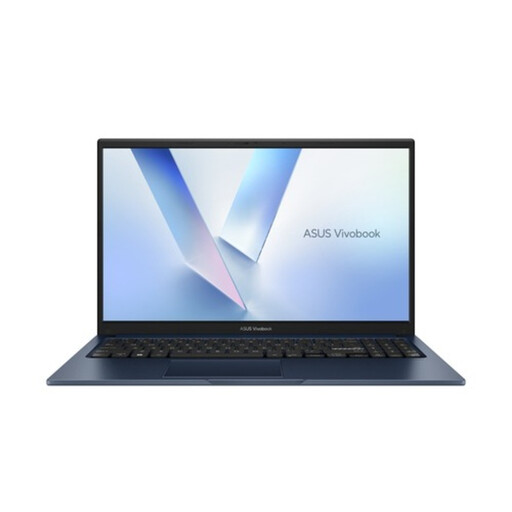 No image available
The 15.6-inch model may suit you if you prefer to read and work on a larger screen and its size works for your journey.
Core 5 320, 8 GB memory, 256 GB SSD and a 15.6-inch Full HD screen; Windows 11 Home. The stated weight is 1.70 kg and this configuration has a QWERTY keyboard.
Yes, if your app supports offline editing and the files you need are available locally in advance. Microsoft Support explains how to sync OneDrive files on your Windows PC; Google Chromebook Help explains offline notes on Chromebooks and points out that not every app works offline. Test your own files before you set off.
No, not on every journey. NS says that Wi-Fi is available on almost all Intercity trains, while Wi-Fi and power sockets on Sprinters vary by train type and route. Check your journey and be prepared to work without a connection or power socket.
Veilig Internetten says you can use public Wi-Fi with a VPN or your phone’s mobile hotspot. Lock your laptop when you step away, and be aware that other people may be able to see your screen.
For a standard online purchase by a consumer, there is generally a statutory cooling-off period of up to 14 days after delivery; ACM ConsuWijzer lists exceptions. You also have statutory warranty rights if, under normal use, the product doesn’t do what you could reasonably expect; the seller is responsible for this. A manufacturer’s warranty or additional cover doesn’t replace those statutory rights.
Yes, NS allows luggage on domestic trains in line with its luggage rules. As a general guideline, NS says hand luggage must not exceed 85 cm in height, width or depth. Keep seats, doors and aisles clear; different rules may apply on international trains.