
Storytellers using equipment on location
You want to connect a microphone, audio interface or presentation display during your session. Start by listing all the connectors you need and the number of audio channels you’ll be recording simultaneously.


Start by deciding what you need to do during the session. If you’re recording several separate audio channels, a suitable audio interface, drivers and software matter more than the laptop brand alone. If you’ll mainly be editing existing material, compare the software compatibility, portability, storage and connections of the specific configuration. The right choice depends on your equipment and workflow, not on a general performance ranking.
You want to connect a microphone, audio interface or presentation display during your session. Start by listing all the connectors you need and the number of audio channels you’ll be recording simultaneously.
You combine existing recordings with other source material and want to be able to reopen projects later or share them as audio files.
You take your laptop to different locations and weigh its size and power requirements against the connections available at each one.
Start by deciding whether you’ll be connecting equipment during the session or mainly editing afterwards. Then consider software, storage and portability in light of your workflow.
| What to consider | What should you check? | Who is this important for? |
|---|---|---|
| Connecting equipment live and recording channels | Compare the connections on your microphones, interface and display with those on the laptop. Also check that the hardware, drivers and software work together to support the number of separate channels you need. | If I’m connecting several devices during a session, I want to know in advance that they’ll all work together. This is the top priority for around 33% of consumers. |
| Editing recordings and source material | Check that your editing software is available for the operating system, and compare the memory and storage configuration of the specific model. | I want to combine existing recordings with local material and be able to reopen my work later. Editing is the main priority for around 27% of consumers. |
| Taking your laptop to different locations | Compare the size, weight, power requirements and ports. Assess battery life based on the manufacturer’s test conditions and your own usage. | When I work in different locations, portability and access to power matter. Mobility is the main priority for around 20% of consumers. |
| Storing source material and projects | Consider how much storage you need for source files and projects. Also decide how you’ll save projects and what kind of export you want to share. | I want to keep my original material and be able to continue working on a project later. This is the main priority for around 20% of consumers. |
According to the Audacity manual, recording more than two separate channels simultaneously requires suitable hardware, drivers and software.
Before a live session, test the complete setup with the number of microphones you need, both individually and at the same time.
Multichannel recording may require a suitable audio interface. Also check whether you’ll need adaptors for your connections.
Ports, keyboard layouts and included power supplies can vary between configurations. The Lenovo ThinkPad E14 Gen 7 AMD 21T00050MB we reviewed has a Belgian keyboard; ASUS states that the Zenbook configuration we reviewed doesn’t include a power adaptor.
Before buying, check the full model number, keyboard layout, ports and what’s included in the box.
An exported file isn’t a substitute for an editable project. The Audacity manual explains that the project lets you return to your tracks and edits later.
Keep the original sources and project according to your own storage plan, and export a separate version for playback or sharing.
Privacy and copyright conditions may apply to identifiable people and copyright-protected source material.
Before publishing, assess the relevant GDPR lawful basis and the rights to every file you use. The Dutch Data Protection Authority explains the GDPR lawful bases; the Dutch Government outlines the principles for using copyright-protected material.
The ThinkPad E14 Gen 7 AMD 21T00050MB we reviewed is a useful comparison for anyone looking to connect existing equipment on location.
The MacBook Air 13-inch M5 we reviewed is a compact macOS alternative for preparation and editing, provided its software and peripherals suit your workflow.
The Dutch Zenbook 14 OLED UX3405 configuration we reviewed is worth comparing if the display, memory and storage are important to your choice.
These laptop options are suited to connecting equipment on location, working on the move, and editing or storing source material locally.
 No image available
A good fit if you want to connect peripherals on location and edit using Windows. The product description lists an AMD Ryzen 5 7520U, 8 GB RAM, a 512 GB SSD and Windows 11 Home.
Listed connections include USB-A, USB-C, HDMI and an audio combo jack; it weighs approximately 1.42 kg. The product description says the charger isn’t included.
 No image available
An option to compare if you need connections on location and also want to edit source material locally. The product name lists an Intel Core 7 150U, 16 GB DDR4, a 512 GB SSD and Windows 11 Home.
The description lists a 14-inch Full HD display, USB-C, USB-A, HDMI and a microSD card reader. The stated weight is 1.40 kg.
 No image available
A good fit if you want to prepare or edit on the move with macOS, provided your software and peripherals are compatible. The product name lists 16 GB of memory and a 512 GB SSD.
The description lists two Thunderbolt 4 ports and a headphone socket. The stated weight is 1.23 kg.
 No image available
An option to compare if you want to prepare projects using local source material and need connections for peripherals. The product name lists 24 GB of memory and 1 TB of storage.
The description lists HDMI, Thunderbolt 4 and a headphone socket.
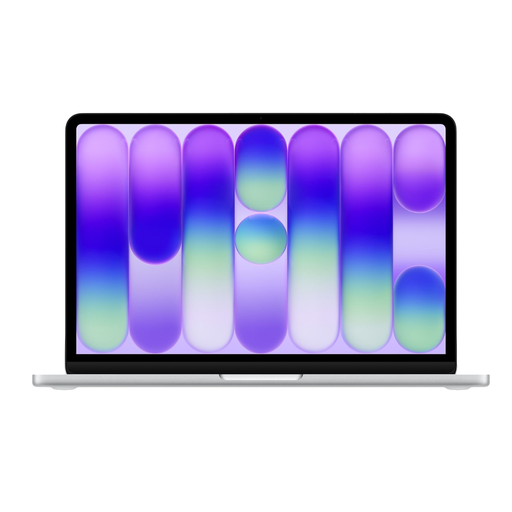 No image available
A good fit if you want to take a laptop with you for editing and local storage, provided your chosen software works with macOS. The product description lists 8 GB of memory and a 512 GB SSD.
The description lists two USB-C ports, a weight of 1.23 kg and a 13-inch display.
No. According to the Audacity manual, recording more than two separate channels simultaneously also requires suitable hardware, drivers and software. Test the complete setup with a trial recording before going live.
Save the project if you want to return to its tracks and edits later, and also export an audio file for playback or sharing. The Audacity manual distinguishes between saving a project and exporting audio.
Check whether you already have a suitable audio interface and any adaptors you might need. According to the Audacity manual, recording separate channels simultaneously requires suitable hardware, drivers and software. ASUS says the Zenbook configuration we reviewed doesn’t include a power adaptor; check this for each model.
According to the Dutch Government, when you buy a product you’re entitled to one that works properly under the statutory guarantee; any manufacturer’s or seller’s guarantee is separate. For online purchases, you’ll also often have a 14-day cooling-off period. This is separate from your rights if a product is faulty.
First, assess the relevant privacy and copyright conditions. According to the Dutch Data Protection Authority, processing personal data requires a lawful basis under the GDPR; consent isn’t automatically the only possible basis. The Dutch Government explains that permission from the creator is the starting point for using copyright-protected texts, photos and music. Check the rights to the specific material and how you intend to use it.