Start by choosing your writing software, then check whether you can use heading styles to navigate the chapters of your biography. Choose your laptop based on how you work: a Windows laptop is a good fit if you need the desktop version of Word, while a Chromebook is less suitable if you want to install that version. If you keep sources open alongside your manuscript, screen space and memory matter; when you’re on the move, portability and offline access to your files may be more important.
Who is this guide for?
Writer working with lots of chapters
You’re structuring your sports biography with heading styles and want to move quickly between sections. Microsoft Support and Google Docs Editors Help explain how headings appear in the navigation pane in Word and the document outline in Google Docs.
Researcher working with lots of sources
You keep your manuscript and source material open side by side, weighing a larger screen and more memory against portability. The Consumentenbond offers storage advice for everyday office work, while Lenovo Netherlands lists these features for a specific IdeaPad model.
Interviewer on the move
You write up notes in different locations and consider size, battery use and offline access to files. Apple lists the screen and battery specifications for a specific MacBook Air model; Google Chromebook Help explains how to make certain Drive files available offline.
What should you consider when choosing?
Windows laptop
Choose this option if: you want to use the Windows desktop version of Word or keep sources open alongside your manuscript.
Trade-off: compare the keyboard layout, screen, weight and full specification. A larger screen isn’t necessarily more comfortable to carry around.
MacBook with macOS
Choose this option if: you want macOS and are looking for a laptop to write on in different locations.
Trade-off: check the software and ports for each configuration. Microsoft says that activating Word, Excel and PowerPoint from the Mac App Store requires a Microsoft 365 subscription.
Chromebook with Google Docs
Choose this option if: you work in Google Docs and want to use the headings in your document outline to navigate between sections.
Trade-off: Microsoft says that you can’t install the Windows or Mac desktop version of Office on a Chromebook. Make the files you need available offline in advance.
| Consideration |
What to look for |
Who should prioritise this? |
| Structuring chapters |
Test heading styles and the chapter outline in your own writing programme and document. |
If I often rearrange chapters, I want to jump quickly to a section using heading styles. Around 33% of consumers put chapter navigation first. |
| Manuscript and sources side by side |
Compare screen size, resolution and memory with the number of windows you use at the same time. |
If you view source material and your biography at the same time, a workspace that suits this way of working is especially useful. Around 25% of consumers prioritise working with sources alongside their text. |
| Writing on the move |
Check the weight, screen size, charging method and whether your writing programme works offline. |
If I write up interviews in different locations, I want to be able to use my notes and writing files wherever I’m working. Around 25% of consumers put portability first. |
| Software and everyday writing |
Check whether you need Word desktop features, which licence you use and whether the laptop supports the software you want. |
If you mainly write text, you don’t want to choose features that don’t suit the way you work, so check the software first. Around 17% of consumers prioritise a simple, web-based way of working. |
Common pitfalls when choosing
-
Choosing a powerful processor just for a chapter outline
Word and Google Docs show document headings in a navigation pane or outline when you use heading styles. For navigating between chapters, it’s therefore important to check the writing software first.
Test the outline in a representative document, then choose hardware to suit your other tasks.
-
Assuming a Chromebook runs the Word desktop version
Microsoft says that you can’t install the Windows or Mac desktop versions of Office on a Chromebook. A web-based way of working therefore means choosing different software.
Open a representative manuscript in the web software you’re considering before choosing ChromeOS.
-
Confusing the manufacturer’s warranty with your statutory rights
In the Netherlands, your statutory rights against the seller are separate from a manufacturer’s warranty. ACM ConsuWijzer explains your statutory rights if a product doesn’t meet what you could reasonably expect under normal use.
Read the warranty terms and check separately what the seller offers and which statutory rights apply.
Brands to compare
Lenovo
The IdeaPad Slim offers a Windows option for writers who want to view their manuscript and sources side by side.
- For the IdeaPad Slim 3i Gen 10 model 83K100S7MH, Lenovo Netherlands specifies an anti-glare IPS screen with a resolution of 1920 × 1200 pixels, 16 GB of memory and a 512 GB SSD.
- This model is listed with an English (EU) keyboard; check that the layout suits the way you write.
Acer
Acer offers both Windows laptops in the Aspire Go range and Chromebook Plus models running ChromeOS.
- For the Aspire Go 15 NX.JRREH.00M reviewed, Acer lists 16 GB of memory and a 1 TB SSD; for the Chromebook Plus 514 NX.KV1EH.002, Acer lists 8 GB and 512 GB.
- These models use different software platforms. Check that your writing programme and the features you need work on the specific model you’re considering.
Apple
A MacBook Air with macOS is an option to compare if you’re looking for a laptop to write on in different locations.
- For the 13-inch model, Apple specifies a 13.6-inch screen and up to 15 hours of battery life when browsing the web wirelessly under its own test conditions.
- The quoted battery life isn’t based on writing or conducting interviews. Also check the software and ports for each configuration.
HP
The HP OmniBook 3 range includes laptops with different screen sizes.
- HP describes the screen, keyboard and processor options available for each configuration.
- Assess the full model configuration; a feature listed for the range doesn’t necessarily apply to every model.
ASUS
The Vivobook range includes laptops for everyday use in a variety of configurations.
- Compare the full model code to see which specifications apply to the version you’re considering.
- The range doesn’t have a standard memory or screen configuration across all models; check the specifications for each version.
Joybuy laptops for writing and research
This selection includes Windows laptops for Word and research, plus a MacBook for those using macOS. Before choosing, check that the keyboard, software and included power adapter suit the way you work.
 No image available
Lenovo V15 G5 IRL, 15.6-inch, 16 GB, 512 GB SSD
This Windows option is a good fit if you want to use Word for Windows and view sources alongside your manuscript as you write.
The title lists a 15.6-inch FHD screen, Intel Core i5-13420H, 16 GB DDR5, 512 GB SSD and Windows 11 Pro.
The description lists an English keyboard; check that the layout works for you.
Joybuy
 No image available
Apple MacBook Air 15-inch M5, 16 GB, 512 GB, Starlight
This MacBook is an option if you use macOS and want to write your biography in different locations.
The title lists a 15-inch model, M5 chip, 16 GB of memory, 512 GB of storage and a QWERTY keyboard.
A USB-C power adapter isn’t included; the description recommends a 35 W adapter or higher.
Joybuy
 No image available
Lenovo IdeaPad Slim 5 15ARP10, 15.3-inch, 16 GB, 512 GB SSD
This Windows laptop could suit you if you use Word and want more screen space for your manuscript and sources.
The description lists an IPS screen with a resolution of 1920 × 1200 pixels, a Ryzen 5 7535HS, 16 GB of memory, a 512 GB SSD and Windows 11 Home.
The description gives a weight of around 1.50 kg and an English EU keyboard. A USB-C power adapter isn’t included.
Joybuy
 No image available
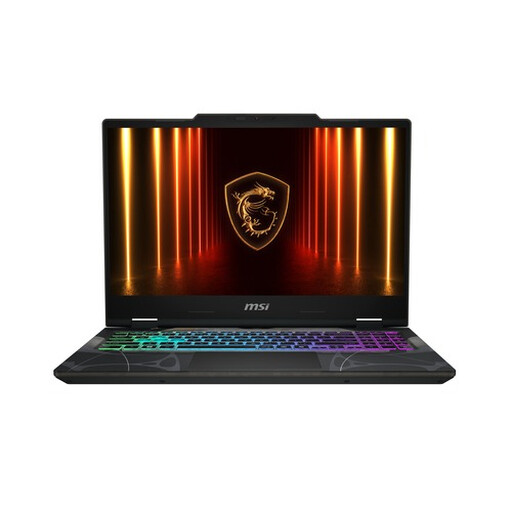
MSI Cyborg 15 B13WEKG-1223NL, 16 GB, 512 GB SSD
This Windows option could suit you if you use Word for Windows; also consider whether the gaming-focused configuration is right for the other tasks you actually do.
The title lists a 15.6-inch FHD 144 Hz screen, Intel Core i5-13420H, GeForce RTX 5050 8 GB, 16 GB DDR5, 512 GB SSD and Windows 11 Home.
Joybuy
 No image available
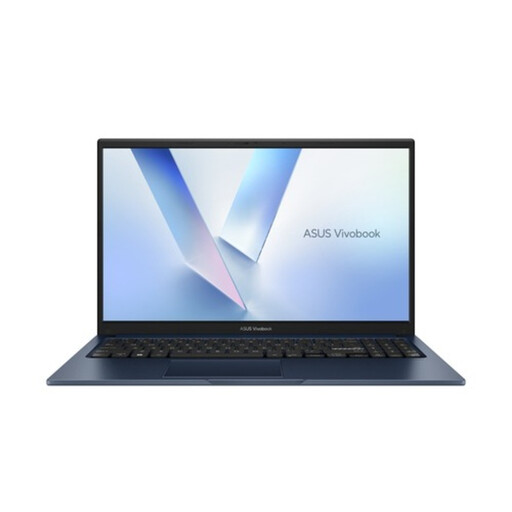
ASUS Vivobook 15 X1504MA-BQ534W, 8 GB, 256 GB SSD
This Windows laptop is an option for everyday writing if you want to use Word for Windows.
The title lists a 15.6-inch FHD screen, Core 5 320, 8 GB RAM, 256 GB SSD and a QWERTY keyboard; the description lists Windows 11 Home.
If you use lots of programmes at the same time or store large files, compare the memory and storage capacity with your needs.
Joybuy
Frequently asked questions
How can I create a useful chapter outline?
Use heading styles for chapters and sections. In Word, headings in the main text then appear in the navigation pane; Google Docs shows headings in the document outline. Check how it works in the version you plan to use.
Can I install the Windows or Mac version of Word on a Chromebook?
No. Microsoft says you can’t install those desktop versions on a Chromebook. Microsoft 365 apps, including Word, are available on the web; check that this way of working suits your manuscript.
How can I protect my manuscript from accidental changes?
Keep a separate back-up and check where your file is saved. Microsoft Support says that version history in Microsoft 365 works for files saved in OneDrive or SharePoint; don’t assume you’ll have the same recovery option for a file stored only on your device.
How can I keep my laptop battery in good condition?
Avoid heat and consider using smart charging if your laptop has this feature. The Consumentenbond says that the available setting and where to find it vary by device.
After buying online in the Netherlands, do I have a cooling-off period and statutory guarantee?
For an online consumer purchase, ACM ConsuWijzer says you generally have a statutory cooling-off period that ends 14 days after delivery; check whether an exception applies. You also have statutory rights against the seller if a product doesn’t meet what you could reasonably expect under normal use. These rights are separate from any manufacturer’s warranty listed.


