
Manager of duplicate catalogue records
You want to spot incorrect duplicate entries while keeping separate copies and editions. Zotero searches bibliographic fields for possible matches; that doesn’t mean physical copies should be merged.


A laptop can help you compare potential duplicate catalogue records, but it cannot determine whether entries describe different copies or editions. Choose a larger screen for extended data-entry and comparison work, or a more compact model if you often move between shelves. Also check your catalogue software, scanner and storage needs. The Consumers’ Association distinguishes between basic office work and more intensive use involving several programmes or large files in its laptop advice.
You want to spot incorrect duplicate entries while keeping separate copies and editions. Zotero searches bibliographic fields for possible matches; that doesn’t mean physical copies should be merged.
You spend long periods comparing descriptions and sheet music, so a good-sized screen, a practical keyboard and suitable ports are useful. The Consumers’ Association distinguishes light office work from more intensive work involving several windows.
You regularly move your laptop while recording titles and copies. A 14-inch model is more compact than the 16-inch example reviewed here, but screen size alone doesn’t determine how comfortable a laptop is to use.
Your choice mainly depends on how you check records, where you enter data and whether you store digital files locally.
| Consideration | What to look for | Who is this important for? |
|---|---|---|
| Checking duplicate records | Decide how you’ll identify editions and individual copies; test your process on a copy of the catalogue. | When I tidy up records, I want to avoid losing information about a separate copy or a different edition. Around 36% of consumers say reliable checks for duplicate entries are their main purchase concern. |
| Screen space and data entry | Compare screen size, resolution, keyboard layout and the space available for your catalogue windows. | When comparing records for long periods, I want to be able to assess the information alongside printed editions. Around 29% of consumers give screen space and comfortable data entry top priority. |
| Moving between shelves | Check the size, stated weight, battery information for your intended use and connection options for input devices. | When I take stock in different places, I want to be able to move my laptop easily. Around 21% of consumers prioritise portability. |
| Storage and files | Check how much space your files take up, confirm the specification and plan a separate backup. | When I want to store permitted digital files locally, I look for enough storage as well as a separate backup. Around 14% of consumers prioritise local storage. |
A programme may flag potential bibliographic matches, even though the records could still describe different physical copies or editions.
Decide how you’ll identify individual copies, and check suspicious records against a copy before merging or deleting them.
Local storage won’t protect your catalogue files from loss, and it doesn’t in itself give you permission to distribute copyrighted sheet music.
Keep a separate backup and check usage rights before digitising music or making scans accessible.
System requirements vary by programme, and a port on the laptop doesn’t automatically mean your scanner will work with it.
Make a note of your software and its version, then check your scanner’s requirements against the ports and specification of the laptop you’re considering.
The ThinkBook 16 G8 IAL, model 21SK00EBMH, is an example to consider for a fixed data-entry station where screen space and ports matter.
The Aspire Go AG14-32P-39GD is a compact 14-inch example for entering data in different locations.
The Vivobook 14 M1405NAQ-LY025W is a compact Windows option with stated memory and storage for a catalogue workstation.
The 16-inch ProBook 4 G1i is a business range worth comparing if you need a larger workstation and service cover matters.
The Dutch MacBook Air with M5 is a macOS option if your catalogue software and peripherals are compatible.
This selection of Joybuy laptops includes compact models for data entry on the move and larger screens for comparing records and working for long periods; storage options vary by specification.
 No image available
The 14-inch size and stated weight of around 1.42 kg make it suitable for entering data in different locations.
AMD Ryzen 5 7520U, 8 GB RAM, 512 GB SSD and Windows 11 Home. Listed ports include USB-A, USB-C and HDMI. A charger isn’t included, so you’ll need to buy a suitable one separately.
 No image available
The 16-inch screen and numeric keypad are worth comparing if you enter a lot of records.
Intel Core 7 240H, 16 GB DDR5, 1 TB SSD and Windows 11 Home. This specification lists a Dutch QWERTY keyboard and USB-A, USB-C and HDMI ports.
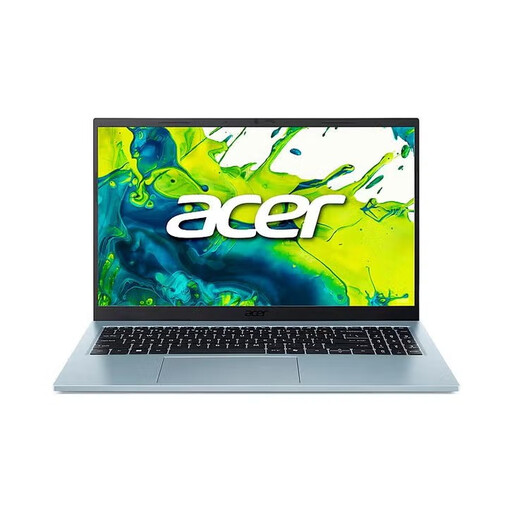 No image available
The 15.6-inch matt screen gives you more room to compare catalogue records with printed editions.
Core 5 120U, 16 GB memory, 512 GB SSD and a QWERTY keyboard. Listed ports include two USB-A ports, two USB-C ports and HDMI.
 No image available
The 16-inch WUXGA screen is an option to compare if you want more screen space at a fixed workstation.
OLED screen, Snapdragon X processor, 16 GB LPDDR5X, 512 GB SSD and Windows 11 Home. The specification lists a 65 W USB-C power adapter.
 No image available
The 16-inch WUXGA screen is a point of comparison for extended data-entry work at a fixed workstation.
Intel Core Ultra 5 135H, 16 GB DDR5, 512 GB SSD and Windows 11 Pro. This specification lists an anti-glare IPS screen, numeric keypad, two USB-A ports, two USB-C ports, HDMI and an SD card reader.
Not without checking what each entry represents. Zotero looks for possible bibliographic duplicates using details such as title, DOI and ISBN; you’ll need to decide how to distinguish an incorrect entry from a separate copy. In Excel, you can temporarily filter duplicate values or remove them permanently.
Not for basic data entry alone. The Consumers’ Association recommends 8 GB RAM and 256 GB storage as a guide for everyday office work, and suggests 16 GB if you use lots of programmes at once. If you have many large files, 512 GB or more may be worth considering.
Compare the system requirements for your chosen software and the connection requirements for your scanner with the exact laptop specification. Zotero lists support for Windows 10 or later and macOS 10.15 or later, among other systems. Also keep a separate backup of your catalogue files.
For an eligible distance purchase from a business, you generally have a 14-day cooling-off period, according to the Dutch Government. If a product is faulty, the seller must offer a solution; the Netherlands has no single fixed statutory guarantee period that applies to all products.
No. Having a laptop or scanner doesn’t give you usage rights. According to the Dutch Government, you can’t distribute or make copyrighted music available to the public without permission; check the rights for the intended copies and access separately.