For working on seminar questions and consulting source material, a comfortable keyboard and an easy-to-read screen matter more than high processing power. Choose a size that’s easy to carry. The Consumentenbond says 8 GB of RAM is enough for light use, while 16 GB is more convenient if you use lots of programmes at once. A larger screen gives you more room to work side by side, but is less compact.
Who is this guide for?
Writer who works with lots of sources side by side
You want to draft questions while keeping articles and notes open. A comfortable keyboard, enough screen space and sufficient RAM may matter more than graphics performance. The Consumentenbond discusses RAM in relation to the number of programmes you have open at once.
Student who carries their laptop every day
You move between the library and other places to study, and want to balance size, screen space and working away from a power socket. The Consumentenbond recommends considering what you’ll use a laptop for when choosing a device.
Writer who needs specific course software
Check that your course’s programmes and device requirements are compatible with the operating system you choose. The University of Amsterdam points out that some courses have specific laptop requirements.
What should you look for in a laptop for seminar questions?
| What to consider |
What should you check? |
Who is this important for? |
| Typing and reading |
Try the keyboard and check its layout. Compare the screen size, resolution and reflections on the exact model. |
If you type for long periods and want to read your question alongside your sources, focus on comfort and screen space. Around 33% of consumers prioritise typing and reading. |
| Portability and battery life |
Compare the size and weight, including the charger you’ll carry. Check the test conditions behind the stated battery life. |
If you carry your laptop often and can’t always work near a power socket, portability will be a priority. Around 27% of consumers prioritise portability and working away from a power socket. |
| Software and offline access |
Check your course’s software requirements and make sure essential files are available offline in advance. |
If your course requires specific software or you need to keep working without Wi-Fi, check this before choosing an operating system. Around 20% of consumers prioritise software compatibility. |
| Specifications and cost |
Choose RAM and storage to suit your programmes and files. Check what’s included with the exact model. |
If you mainly write documents and consult sources, you don’t want to pay for capacity you won’t use. Around 20% of consumers prioritise essential features and cost. |
Pitfalls to avoid when choosing
-
Prioritising a powerful processor over your writing needs
You don’t necessarily need high processing power for typing, reading sources and using basic office programmes. The Consumentenbond distinguishes between light office work and processor-intensive tasks such as 3D animation.
Start by thinking about your writing tasks and how many programmes you use at once. Only opt for more processing power if other study activities require it.
-
Choosing a Chromebook without checking software and offline access
Some courses have software requirements, and not all Chromebook apps or services work offline.
Check your course requirements and set up offline access to the files you need in advance. Google explains how to work offline on Chromebooks, including the limitations that apply to some apps and services.
-
Assuming every version has the same keyboard layout and accessories
ASUS says the supplied charger may vary by country, region and model. Keyboard layouts and included accessories may also differ between versions.
Before buying, check the full model name, keyboard layout and box contents, as well as the charging capacity required by that version.
Brands to compare
ASUS
The Vivobook 14 is a compact Windows option if you want to view documents and sources on a portable screen.
- For the M1407KA and M1407GA versions reviewed, ASUS lists a 14-inch anti-glare WUXGA screen and 16 GB of RAM.
- ASUS describes its ErgoSense keyboard as quiet; this is a manufacturer’s claim, not an independent noise measurement. Ports and charger wattage vary by version.
Lenovo
The IdeaPad Slim 3i 15 is a Windows option if you value extra screen space over having the most compact laptop possible.
- Lenovo lists a 15.3-inch anti-glare screen and 16 GB of RAM for the bundle shown.
- Check the exact model code, bundle contents and keyboard layout, as versions may differ.
Acer
The Chromebook Plus 514 is an option for browser-based writing and consulting sources.
- For the CB514-6H/6HT family, Acer lists a 14-inch WUXGA screen with an anti-glare coating.
- Touchscreen and keyboard backlighting depend on the version. Also check that ChromeOS supports the software you need and the way you work offline.
Apple
The MacBook Air is a compact macOS option if your writing and study programmes run on macOS.
- Apple lists 16 GB of memory and 512 GB of storage for the 13-inch MacBook Air with M5 shown.
- Apple quotes up to 15 hours of wireless web browsing under its own test conditions. This won’t tell you how long the battery will last during your library session.
HP
The OmniBook 5 Flip family offers a 2-in-1 option if touch input or annotating is important alongside typing.
- HP describes laptop, tablet, tent and stand modes for the OmniBook 5 Flip family.
- Family-wide information doesn’t confirm that every version sold in the Netherlands has the same screen, pen or memory configuration. Check the specifications for the exact model.
Laptops at Joybuy for typing and consulting sources
These picks cover compact macOS or Windows use, a larger screen, or annotating on a 2-in-1 laptop.
 No image available
Apple MacBook Air 13-inch M5 16GB 512GB Midnight QWERTY
Suited to writing and working with documents if the programmes you need run on macOS.
13.6-inch screen, 16 GB of memory and 512 GB of storage; the product description lists a weight of 1.23 kg.
View at Joybuy
 No image available
ASUS Zenbook A14 UX3407QA-QD479W
Suited to anyone who wants to carry a compact Windows laptop and view sources alongside a document of questions.
14-inch WUXGA OLED screen with a 16:10 aspect ratio, 16 GB of RAM, 512 GB SSD, Windows 11 Home and Dutch QWERTY layout. The description gives an approximate weight of 0.98 kg. A compatible 65W USB-C Power Delivery charger and suitable cable are not included.
View at Joybuy
 No image available
Lenovo IdeaPad Slim 3 14AHP10 R7 16G 512G QWERTY
Suited to writing and document work if you’re looking for a 14-inch Windows laptop with an anti-glare screen.
14-inch WUXGA screen with a 16:10 aspect ratio and anti-glare coating, 16 GB of memory, 512 GB SSD and Windows 11 Home. The product description gives an approximate starting weight of 1.39 kg.
View at Joybuy
 No image available
HP OmniBook 5 Flip 14-fp0075nd C5VM5EA#ABH
Suited to anyone who wants to annotate sources using touch as well as type, and switch between laptop and tablet modes.
14-inch OLED touchscreen, 360-degree hinge, 16 GB of memory, 512 GB SSD and Windows 11 Home. The USB-C charger and stylus are not included.
View at Joybuy
 No image available
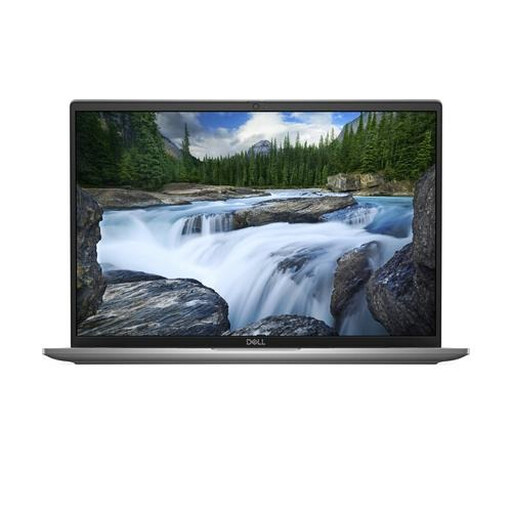
DELL Latitude 7650 Intel Core Ultra 7 155U
Suited to anyone who wants to view source material alongside a document of questions and doesn’t need to carry their laptop around often.
16-inch WUXGA IPS screen with anti-glare coating, 16 GB of memory, 512 GB SSD, Windows 11 Pro and QWERTY keyboard. The product description gives a weight of 1.835 kg.
View at Joybuy
Frequently asked questions
Do I need 16 GB of RAM to write seminar questions?
Not necessarily. The Consumentenbond says 8 GB is enough for light tasks such as browsing the internet and checking email, while 16 GB is more convenient if you have lots of programmes open at once. Think about how you work and how many documents and programmes you use simultaneously.
Can I carry on working on a Chromebook if the library Wi-Fi goes down?
You can work with certain documents and notes if you’ve set up offline access in advance. Google warns that some offline apps and services won’t work. Also check whether your school account settings impose any restrictions.
How can I reduce battery wear?
The Consumentenbond recommends, among other things, not leaving a laptop plugged in all the time and considering smart charging if your device has this feature. Check your model’s settings; this maintenance advice isn’t a requirement when buying.
Who can help if my laptop is faulty, and can I return one bought online?
According to the Dutch government, the seller must offer a solution if a product is faulty; there’s no fixed statutory guarantee period that applies to all products in the Netherlands. When buying online from a business, you’ll often have a 14-day cooling-off period, subject to conditions and exceptions. Check which rules apply to your purchase.
Does a laptop in the Netherlands have to support USB-C charging?
The European Commission says that, since 28 April 2026, EU common charger rules also apply to laptops covered by those rules. Check the charging specifications for the exact model and make sure a USB-C charger supplies enough power.


