
2D figure creator
You draw and label scientific diagrams locally, and want enough space to see your figure, text and tools clearly.


The right laptop depends mainly on the software you use. For BioRender, a laptop and a supported browser are important, while screen space and your home workspace are also worth considering for local vector work. If you actually use Blender, compare the specific configuration you’re considering with Blender’s recommendations, including 32 GB RAM and 8 GB VRAM for the Windows and Linux configurations mentioned. These are not general requirements for 2D diagrams. Then choose between a larger built-in screen and a more compact laptop paired with a suitable external monitor, and check the specifications of the exact configuration.
You draw and label scientific diagrams locally, and want enough space to see your figure, text and tools clearly.
You mainly create figures in a browser and want to check that your laptop and browser are suitable for BioRender.
You work with actual 3D models or renders for scientific figures, so your 3D software’s requirements will influence your choice.
A good fit if: you mainly use BioRender. BioRender lists laptops running Windows or macOS and recommends the latest version of Chrome.
Bear in mind: compatibility information doesn’t tell you how quickly every complex project will run on a particular laptop.
A good fit if: you create diagrams locally, for example in Inkscape, and want a screen that makes figures and text comfortable to read.
Bear in mind: Inkscape uses SVG as its native file format. Check the requirements for other programmes separately.
A good fit if: you actually use Blender and choose a configuration that meets the requirements for your operating system and how you work.
Bear in mind: Blender recommends 32 GB RAM and 8 GB VRAM for the Windows and Linux configurations mentioned. These recommendations don’t automatically apply to other diagram tasks.
Compare laptops based on the software you actually use, the space you need and the connections available in your home workspace. The percentages in the table show which priority may come first for consumers making this choice.
| What to consider | What should you check? | Who is this important for? |
|---|---|---|
| Screen workspace | Check the screen size and resolution of the exact configuration, then compare them with the space you need for figures, text and controls. | If I spend a long time drawing and adding labels, I want to see my figure and tools clearly. Around 36% of consumers make screen space their top purchase priority. |
| Software compatibility | Check the operating system and browser requirements for BioRender, along with support for your local programmes. | If my figure-making software needs to run on my laptop, I want to check support for that specific software in advance. Around 29% of consumers prioritise software compatibility. |
| Monitor and connections | Check which video outputs the laptop offers and which input your monitor requires, and make sure to check the exact configuration. | If I use an external monitor at home, I want to be able to connect it directly or with a suitable connection. Around 21% of consumers choose mainly based on how well a laptop connects to their home workspace. |
| 3D processing power | If you use Blender, check the RAM and GPU against the requirements for your operating system. Blender recommends 32 GB RAM and 8 GB VRAM for the Windows and Linux configurations mentioned. | If I create 3D models or renders, I want to choose a laptop suited to that work, rather than just browser-based figures. Around 14% of consumers make 3D use their top purchase priority. |
Blender’s recommended RAM and GPU specifications apply to that 3D software. BioRender’s compatibility information covers browser use and doesn’t set the same requirements.
First decide whether you really use 3D software, then compare a specific configuration with the relevant requirements.
Lenovo lists differences between configurations of the ThinkPad E14 Gen 7 (AMD). The screen, memory and connections can therefore vary depending on the configuration you choose.
Before buying, check the full model number and the specifications for that configuration.
If a connection isn’t compatible with your monitor, you may need an adapter or a different way to connect it.
According to the Dutch government, you have statutory rights even if you haven’t bought an extra warranty or service package.
Check exactly what an additional package offers, and remember your statutory rights.
The ProBook 4 G1i configuration mentioned is one example for anyone looking for workspace on the built-in screen.
The ThinkPad E14 Gen 7 (AMD) is a 14-inch product family for anyone looking to connect a more compact laptop to a home monitor.
The 13-inch MacBook Air with M5 chip is a compact macOS option. The base configuration mentioned has a 13.6-inch screen, 16 GB memory and a 512 GB SSD.
This selection focuses on laptops with screen space for diagrams and, where stated, options for connecting an external monitor. Check that the software, connections and configuration of each model suit the way you work.
 Image unavailable
The 16-inch screen gives you built-in space for figures and labels.
3K OLED touchscreen with 120 Hz; 32 GB RAM; 1 TB SSD; Windows 11 Pro.
 Image unavailable
This 15.3-inch configuration gives you plenty of screen space, and Apple lists support for up to two external displays.
Liquid Retina display; 16 GB memory; 512 GB storage.
 Image unavailable
The 15.3-inch screen gives you space to view and edit diagrams on the laptop itself.
WUXGA IPS screen; 16 GB RAM; 512 GB SSD; Windows 11 Home. USB-C power adapter not included.
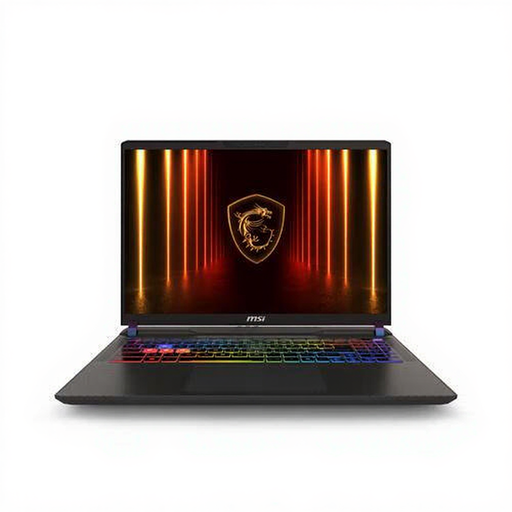 Image unavailable
This 16-inch configuration has connections for a home monitor, including HDMI 2.1 and Thunderbolt 5.
2560 × 1600 screen; NVIDIA GeForce RTX 5080 with 16 GB video memory; 1 TB SSD. The power adapter must be bought separately.
 Image unavailable
This more compact MacBook Air could suit you if you work with an external monitor at home. Apple lists support for up to two external displays.
13-inch model; M5 chip; 24 GB memory; 1 TB storage; two Thunderbolt 4 ports.
BioRender’s published compatibility information doesn’t specify a particular GPU requirement. BioRender describes using the software on laptops running Windows or macOS and recommends the latest version of Chrome. This doesn’t guarantee performance for every project.
First check the input on your monitor and the video output on the exact laptop configuration. Lenovo lists HDMI and USB-C with DisplayPort on the ThinkPad E14 Gen 7 (AMD), among other connections. For the MacBook Air mentioned, Apple lists external display support via Thunderbolt 4.
If you actually work in Blender, compare the full configuration with Blender’s requirements for your operating system and how you use it. Blender recommends 32 GB RAM; this isn’t a general requirement for every 2D figure or browser-based workflow.
Your statutory rights are separate from a manufacturer’s warranty or any service package you buy. According to the Dutch government, there is no fixed statutory warranty period in the Netherlands; if a product is faulty, the retailer is your point of contact.
For eligible distance purchases from a business, the Dutch government says you will often have 14 days to change your mind. Check the terms and exceptions that apply to your order. The rules for distance purchases mentioned here don’t apply to purchases from a private individual.