First, check that your school’s programmes and files work with the operating system you choose. Then consider screen space, ports, and the memory and storage configuration that suit your work. A basic model may be enough for writing and simple office tasks, while more memory can be useful if you run several programmes at once. If you work at a screen for long periods, also assess your workstation setup.
Who is this laptop guide for?
Preparing worksheets at home
If you mainly write and review texts and reading exercises at home, screen space, readability and a suitable desk setup are important considerations. The Consumentenbond discusses memory for light laptop use, while Arboportaal outlines things to consider when working with screens.
Teacher who needs specific school software
If you need to open, edit or share exercises in your school’s environment, first check that the required programmes and features work on the laptop. Microsoft Support and Google Chromebook Help explain the differences between using a browser, apps and offline files.
Teacher who works at home and at school
If you take the same laptop to school, weigh up its size and screen space against portability. Apple Nederland describes a compact MacBook Air model, while Lenovo Nederland highlights the range of tasks involved in lesson planning and teaching.
What should you look for?
Start with the software and files your school requires, then compare the screen space, configuration and portability that suit your workspace.
Windows laptop
Choose this option if: your school programmes require a supported version of Windows or locally installed software. Check your school’s requirements before choosing a model.
Keep in mind: screen, memory, keyboard layout and ports vary between models, so check the full model number.
Chromebook
Consider this option if: your school’s required environment and word-processing tools work in the browser. Google Chromebook Help explains that some Google Drive files can be made available offline in advance.
Keep in mind: Microsoft Support describes using Microsoft 365 in a browser, rather than installing the usual desktop apps. Also check whether your school’s device management restricts app installations.
MacBook
Consider this option if: all your school’s required programmes work on macOS and you want a compact laptop to take with you. The MacBook Air M5 model described has a 13.6-inch screen, 16 GB of memory and 512 GB of storage.
Keep in mind: the model described has two Thunderbolt 4 ports with USB-C, so check that your existing peripherals will connect. Apple quotes battery life for specific test activities, not as a guaranteed working time for your use.
| What to consider |
What should you look for? |
Who is this important for? |
| School software |
Check the operating system, required programmes and file features; if possible, try a representative exercise file. |
If I use required school software, I want to know in advance that all the features work. Around 27% of consumers prioritise compatibility with school software. |
| Screen and workspace |
Compare screen size and anti-glare features. For long periods of desk work, also consider an external monitor and a separate keyboard. |
If I read and edit long texts, I want enough screen space and a workspace that suits my work. Around 27% of consumers prioritise readability and their desk setup. |
| Memory and storage |
Compare the RAM and SSD in the exact model with the number of programmes and files you use. |
If I often switch between documents, reference materials and programmes, I pay attention to the configuration. Around 20% of consumers prioritise smooth working across multiple files and tabs. |
| Choosing the right configuration |
First, work out what you normally use your laptop for, then check the processor, memory, storage and ports you need. |
If I mainly write and carry out simple office tasks, I want specifications that suit my work rather than simply choosing a more powerful model. Around 13% of consumers start with this consideration. |
| Portability and battery |
Compare the size and weight of the model. Treat quoted battery life as a figure based on the stated test conditions. |
If I often carry my laptop between home and school, I weigh portability against having a larger built-in screen. Around 13% of consumers prioritise portability and working without a power socket. |
Common buying pitfalls
-
Choosing based only on the name of a laptop range
Models within the same range can differ. For example, the Lenovo IdeaPad Slim 3 16 described here has an English (EU) keyboard.
Compare the full manufacturer part number and the specifications of the exact model, including its keyboard layout.
-
Assuming a Chromebook is interchangeable with a Windows laptop
Microsoft describes using Microsoft 365 on a Chromebook through the browser. School device management may also restrict which apps you can install.
Check the required programmes and edit a real exercise file before choosing an operating system.
-
Assuming a laptop is a complete workstation for long periods of use
Arboportaal explains that employees who work with screens for more than two hours a day must be able to use the screen and keyboard separately.
Assess your workspace and the available ports. If you are an employee, discuss any necessary equipment with your employer.
-
Confusing an extended warranty with your statutory rights
An extended warranty is separate from the statutory protection you have if a product is faulty.
Check what additional cover is offered and contact the retailer if the product is faulty.
Brands to consider
The examples below relate to specific models or product ranges. Always check the full model number of the laptop you’re considering.
Acer
The Aspire Go 15 AG15-31P, manufacturer code NX.KRPEH.00E, is described as a Windows model with a matte 15.6-inch Full HD IPS screen, 8 GB of RAM and a 512 GB SSD. Acer positions this model for everyday use.
- The specifications include HDMI and USB-A for connecting peripherals.
- This model is listed with a maximum of 8 GB of memory, so check this before choosing if you may want more RAM later.
Lenovo
The IdeaPad Slim 3 16, part number 83K8009YMH, is described as having a 16-inch anti-glare WUXGA screen, 16 GB of RAM and a 1 TB SSD.
- The larger built-in screen may be useful if you want more screen space.
- The model described has an English (EU) keyboard, so check that the layout suits your work.
Apple
The base model of the MacBook Air M5 described here has a 13.6-inch screen, 16 GB of memory and a 512 GB SSD.
- Apple lists two Thunderbolt 4 ports with USB-C for this model.
- Check that your peripherals will connect. Apple’s quoted battery life is based on specified test activities and isn’t a guarantee for your use.
HP
According to HP, the OmniBook 5 family includes different models for tasks such as schoolwork and working from home.
- The range includes a choice of screen sizes and models.
- Processors and screens are options or maximum specifications within the range, so check the specifications for the full model number.
ASUS
The Vivobook 15 X1504 is a laptop range for home use supported by ASUS.
- ASUS provides product registration and repair status information.
- For the model you choose, check the full model number and its processor, memory, screen and ports.
Laptops at Joybuy
This Joybuy selection includes laptops for writing and editing at a home workspace, with a range of screen sizes and configurations. For each model, check that the operating system, keyboard layout and ports suit your school software and workspace.
 No image available
Lenovo IdeaPad Slim 3 15AHP10, 15.3-inch, 16 GB, 512 GB SSD
The screen size and listed configuration are worth considering if you create documents at a fixed workspace and switch between files.
The product name lists a Ryzen 7 8840HS, 16 GB of RAM, a 512 GB SSD and a QWERTY keyboard.
The charger must be purchased separately.
View at Joybuy
 No image available
Lenovo V15 G5 IRL, 15.6-inch, Core i5-13420H, 16 GB, 512 GB SSD
The listed screen size and configuration may be relevant if you edit documents on the built-in screen.
The product name lists an Intel Core i5-13420H, 16 GB DDR5, a 512 GB SSD and Windows 11 Pro.
The description specifies an English keyboard, so check that the layout suits your typing needs.
View at Joybuy
 No image available
HP OmniBook Ultra Next Gen AI 16-bk0004nd
The product name specifies a 16-inch screen. Compare the size and listed configuration with the space you need for working with texts.
The product name lists Windows 11 Pro, 128 GB of RAM, a 2 TB SSD and a 3K OLED touchscreen with 120 Hz.
The product name also specifies a QWERTY keyboard, so check that the layout suits you.
View at Joybuy
 No image available
Thunderobot Radiant S16, 16-inch, QHD+, 16 GB, 1 TB SSD
The 16-inch screen is worth considering if you want plenty of space for documents on the built-in display.
The product name lists an AMD Ryzen 7 7745HX, 16 GB DDR5, a 1 TB SSD and an NVIDIA GeForce RTX 5060.
View at Joybuy
 No image available
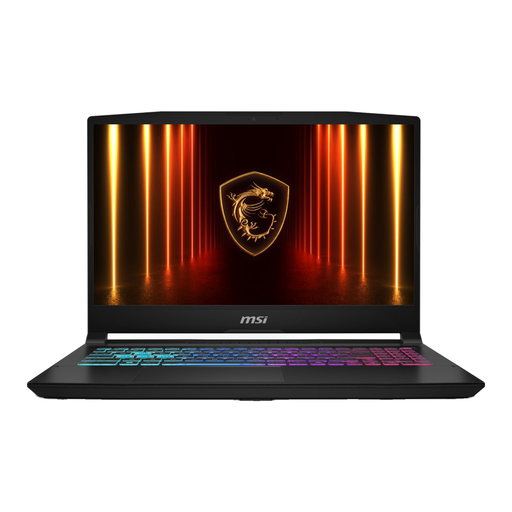
MSI Cyborg 15 B13WFKG-804NL, 16 GB, 512 GB SSD
The listed screen size and configuration are relevant if you write on the built-in screen and switch between documents.
The product name lists 16 GB of RAM and a 512 GB SSD. The product description specifies a matte 15.6-inch Full HD IPS screen.
The charger must be purchased separately.
View at Joybuy
Frequently asked questions
Can I do reading exercises in Microsoft 365 on a Chromebook?
Microsoft describes using Word and other Microsoft 365 apps on a Chromebook through the browser. Try a real exercise file to check whether the school template and required features work there; this isn’t an installation of the usual desktop apps.
Can I work on exercises while travelling without an internet connection?
On a Chromebook, some Google Drive files, including Docs files, can be made available offline in advance. Not every app or learning environment works offline, so check what your school uses separately.
How should I set up my laptop for extended use at home?
For employees who work with screens for more than two hours a day, Arboportaal states that the screen and keyboard must be separate. If you’re an employee, assess what separate equipment and workspace setup you need and discuss this with your employer. This requirement does not automatically apply to every private user.
Can I store pupil data on my personal laptop without checking first?
Don’t assume that a personal laptop automatically complies with your school’s policy. The Autoriteit Persoonsgegevens says primary and secondary schools must be able to show what technical and organisational measures they use to protect pupil data. Ask your school what rules apply to storage and access in your situation.


