Buying concerns and things to consider
First, confirm the layout software and the printer’s requirements. Then choose a device that suits the available screen space, ports and arrangements for shared files.
Chromebook for browser-based layout
A good fit if: the editorial team uses a browser-based service approved by the school and doesn’t need to edit InDesign desktop files.
Check: browser support, internet connection and the update period for the exact Chromebook model.
Windows laptop for desktop layout
A good fit if: the editorial team uses InDesign desktop or other required Windows software.
Check: the exact Windows version, processor and memory configuration; product ranges can include different specifications.
Mac for an existing macOS workflow
A good fit if: the editorial team uses macOS and its layout software and file-sharing arrangements are set up for it.
Check: which adapters you’ll need for the shared monitor; Apple lists two Thunderbolt 4 ports on the 13-inch MacBook Air M4.
| What to consider |
What should you check? |
Who should pay particular attention? |
| Software compatibility |
Confirm the software and version, then check the operating system, processor and memory of the exact model. For the InDesign versions reviewed, Adobe lists 8 GB of RAM as the minimum and 16 GB as the recommendation. |
If I need to use InDesign desktop, I want to know before buying whether the laptop I’ve chosen can run that version. Around 33% of consumers give desktop software compatibility top priority. |
| Pages and print-ready files |
Check the screen size, resolution and ports against your workspace. Ask the printer which PDF file and settings they need. |
If I need to review pages and send files to the printer, I want to know how much screen space and which export settings I’ll need. Around 25% of consumers prioritise print layout. |
| Secure collaboration |
Check that the laptop works with the school’s accounts and access settings. Agree who can open files and where backups will be kept. |
If several people work with pupil photos at a shared desk, I want to manage access and files in line with the school’s arrangements. Around 25% of consumers give secure collaboration top priority. |
| Cost and flexibility |
Compare the weight, storage and ports of the exact model, and factor in the software you’ll need and any adapters. |
If I want to use the laptop in different places, I want to weigh up the purchase against storage, screen space and ports without assuming a budget that hasn’t been set. Around 17% of consumers prioritise cost and flexible use. |
Joybuy laptops for Windows-based layout
These Joybuy products are Windows laptops for editorial teams that need desktop layout software. Before buying, check the system requirements of the software you use and make sure the laptop will work with your shared workspace.
 No image available
Lenovo IdeaPad Slim 3 14AHP10, Ryzen 7 8840HS, 16 GB, 1 TB SSD
A Windows laptop for an editorial team using InDesign desktop; Adobe recommends 16 GB of RAM for the versions reviewed.
14-inch WUXGA screen, Windows 11 Home and 16 GB of memory.
1 TB SSD, HDMI and USB-C with DisplayPort; check that the ports work with the monitor at your shared workspace.
View at Joybuy
 No image available
Acer Nitro 18 AI AN18-61-R25V, Ryzen AI 7 350, 18-inch WQXGA
A Windows model to consider if your editorial team wants to review pages on a large built-in screen.
18-inch WQXGA screen with a 2560 × 1600 resolution and a 165 Hz refresh rate.
16 GB of memory, 1 TB SSD, Windows 11 Home and HDMI output.
View at Joybuy
 No image available
Lenovo Legion 5 15AHP11, 15.3-inch WQXGA OLED, 16 GB, 512 GB SSD
A Windows laptop for an editorial team weighing up the built-in screen against connecting an external monitor.
15.3-inch WQXGA OLED screen with a 165 Hz refresh rate.
16 GB of memory, 512 GB SSD, Windows 11 Home and USB4 ports.
View at Joybuy
 No image available
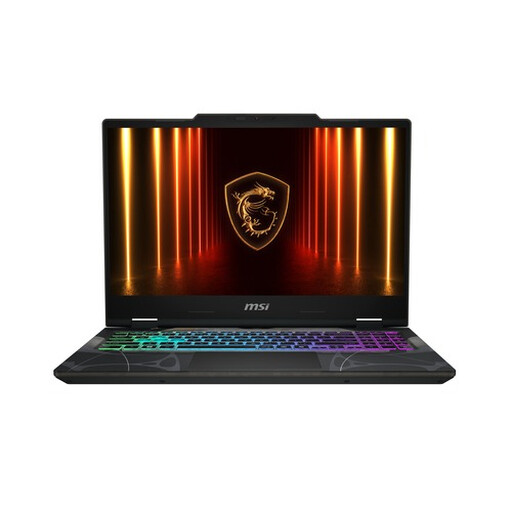
MSI Cyborg 15 B13WEKG-1223NL, 15.6-inch Full HD, 16 GB, 512 GB SSD
A Windows model to compare if your editorial team is looking for a 15.6-inch screen and ports for an external monitor.
15.6-inch Full HD screen with a 144 Hz refresh rate.
Intel Core i5-13420H, 16 GB of memory, 512 GB SSD, Windows 11 Home, HDMI and USB-C with DisplayPort.
View at Joybuy
 No image available
Lenovo IdeaPad Slim 3 14AHP10 R7, 16 GB, 512 GB SSD
A Windows model for an editorial team comparing its storage and ports with its software and screen requirements.
14-inch WUXGA screen, Windows 11 Home and 16 GB of memory.
512 GB SSD, HDMI and USB-C with DisplayPort; check how much storage your working files need.
View at Joybuy
Frequently asked questions
Can you create the entire yearbook on a Chromebook?
Yes, if the editorial team uses a suitable browser-based service and doesn’t need to edit InDesign desktop files. Canva describes browser-based layout, while Adobe lists Windows and macOS, not ChromeOS, for the InDesign desktop versions reviewed. Also confirm that the school considers the chosen service suitable for pupil files.
How should you send pages to the printer?
First, ask the printer for its file requirements. Adobe describes exporting to Adobe PDF (Print) with bleed settings. Canva offers tools for margins, bleed and crop marks, but the available settings vary; Canva Docs doesn’t support these tools.
How should you set up a shared laptop for yearbook photos?
Ask the school to decide who should have access and where files should be stored. The Dutch Data Protection Authority lists individual user accounts, restricted permissions, software updates and restorable backups as examples of security measures; the right setup depends on how the data is being processed.
Can the school publish identifiable pupil photos in a yearbook without consent?
According to the Dutch Data Protection Authority, consent from a parent is required for identifiable images of pupils under 16. Pupils aged 16 or over give consent themselves. Check that consent is specific and informed, and covers this yearbook and its intended distribution.
Do you automatically need an extended laptop warranty?
No. First, consider what the additional cover offers. The Dutch government says there is no fixed statutory warranty period in the Netherlands; if a product is faulty, the retailer remains your point of contact. Compare the cover’s terms with your existing rights with the retailer.


