
Checking photos on the go
You want to be able to open downloaded images and related files on location, even without an internet connection. So look at portability, the screen and local storage.


Choose a laptop based on where you review your polder photos. When you’re out and about, size and portability matter; a larger screen can be more comfortable for longer reviews. Also check how much content you need to store locally and which connections you’ll need. You won’t necessarily need extra photo-editing features if you’re only viewing photos.
You want to be able to open downloaded images and related files on location, even without an internet connection. So look at portability, the screen and local storage.
If you review details or compare photos alongside documents, screen space may be more important. Check the specifications of the exact screen configuration, not just the product range.
You want to import or edit collections as well as view them. Compare the storage, connections and configuration with the software and tasks you use.
First decide whether you’ll only be checking photos or editing them too. Then consider where you work and how you’ll keep the files available locally.
When reviewing downloaded polder photos, your choice mainly comes down to local files, the screen, portability and connections, and whether you’ll be editing images.
| What to consider | What to look for | Who this matters to |
|---|---|---|
| Files available locally | Check the SSD storage in the exact configuration and test that you can open the files you need without a connection. | If I work on location without internet, I want to be able to open my photos and accompanying files locally. Around 33% of consumers rank local availability as their top purchasing priority. |
| On-screen detail | Compare the screen size and specifications of the specific panel configuration with your viewing environment. | When I review details or images alongside documents, I want enough screen space and a suitable configuration. Screen quality is the top purchasing priority for around 25% of consumers. |
| Portability and connections | Check the stated weight, available ports and whether the card reader supports your memory card. | If I take my laptop with me and transfer photos from my own storage media, I want to know which connections I’ll need. Around 25% of consumers make portability and file transfer their top priority. |
| Capacity for editing | Compare the memory, storage and, if needed, graphics configuration with the software and tasks you use. | If I edit photos as well as viewing them, I want a configuration that suits the way I work. For around 17% of consumers, capacity for photo editing is their top purchasing priority. |
An app may let you choose separately whether to keep local copies. Adobe describes an option in Lightroom for storing originals locally.
Check which files are stored locally and open a few representative photos without a connection before you leave.
The screen, memory and storage can vary between configurations. Dell Netherlands also notes that changes to a configuration may affect other specifications.
Compare the full configuration with your files and viewing conditions before making your choice.
Lenovo lists no card reader for ThinkPad model 21QC007TMH; ASUS lists an SD Express 7.0 card reader for the ProArt P16 H7607 product range.
Check whether the reader in the exact configuration supports your card type, and whether you’ll need a separate reader or adapter instead.
A macOS option with compact and larger-screen configurations to compare.
The ThinkPad T14 Gen 6 is a business Windows option for weighing up a 14-inch configuration and a range of ports.
The ProArt P16 H7607 range is worth comparing if image work and card transfers are part of your workflow.
The Dell Pro 14 Premium PA14260 is a configurable business Windows option to compare.
These Joybuy laptops are relevant for reviewing photos with content stored locally. Screen sizes and other configurations vary by model.
 No image available
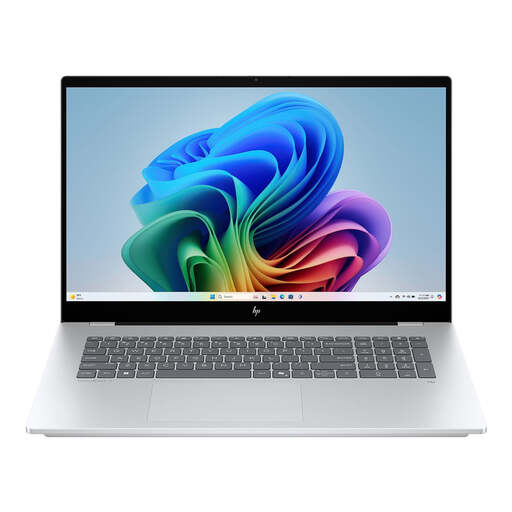
The stated screen and storage configuration could suit you if you want to review photos on a larger screen and store files locally.
17.3-inch FHD IPS touchscreen; 16 GB RAM; 512 GB SSD. According to the product description, the power adapter is sold separately.
 No image available
This 16-inch screen configuration is worth considering if you want more screen space when reviewing photos.
16-inch WUXGA OLED screen; Snapdragon X; 16 GB LPDDR5X memory; 512 GB SSD; Windows 11 Home.
 No image available
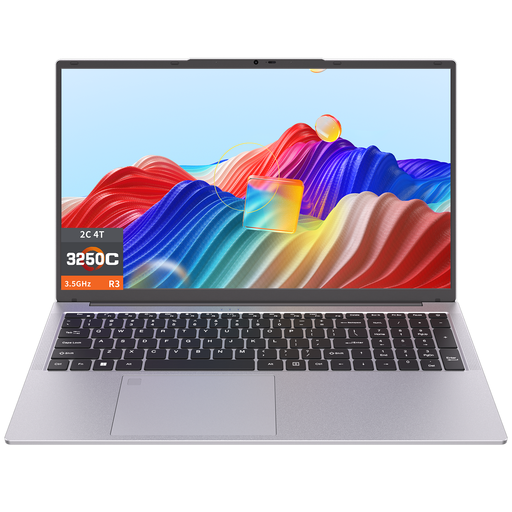
The 17.3-inch screen may be a good fit if you want to review photos on a larger laptop display.
17.3-inch screen; 3250C processor; 8 GB DDR4 memory; 512 GB SSD.
 No image available
This configuration could suit you if you want to review photos on a laptop screen while benefiting from local SSD storage.
15.6-inch FHD IPS screen; 3050E processor; 16 GB DDR4 memory; 512 GB SSD.
 No image available
This configuration is worth comparing if you do image work as well as reviewing photos, and want to transfer photos directly from a compatible card.
16-inch 4K OLED screen; 100% DCI-P3 colour gamut; SD Express 7.0 card reader; 64 GB RAM; 1 TB SSD.
Yes, as long as the files you need are stored locally and your app can open them locally. Adobe describes a setting in Lightroom for storing originals locally. Before you leave, check that it’s worked with your own files.
It depends on your card type and the exact laptop configuration. Lenovo lists no card reader for ThinkPad model 21QC007TMH, while ASUS lists an SD Express 7.0 card reader for the ProArt P16 H7607 range. Check that the configuration on offer and its card reader are compatible with your card.
Not just to view photos. First decide whether you’ll only open and compare them or edit them too. Then compare the graphics configuration with the software and editing tasks you actually use.
For online consumer purchases, there is generally a 14-day cooling-off period after delivery, subject to legal exceptions. ACM ConsuWijzer explains that this is a consumer right; if a product is faulty, consumers may also have statutory remedies through the seller. Whether these rules apply depends, among other things, on the type of purchase; consumer protections do not automatically apply to business purchases.