Choose a laptop that suits your development workflow. Consider memory and screen space if you use an editor, browser windows and development tools side by side, and check software requirements if you want to run services or containers locally. A more compact macOS laptop may suit you if you work in different locations; with a Windows or ChromeOS laptop, check that the tools and ports you need are available on the exact configuration. No laptop screen can replace testing across different browsers and devices.
Who is this laptop guide for?
Frontend developer who works with lots of windows
If you use code, browser windows and development tools side by side, memory and screen space are important factors to compare. The Dutch Consumers’ Association (Consumentenbond) recommends 16 GB as a guideline for running several programmes at once. Check that this amount suits your software and the exact configuration.
Developer with a local development environment
If you want to run local services or containers as well as build the interface, first check the requirements of your development tools and operating system. Microsoft sets out the requirements for Visual Studio Code; other software may have different requirements.
Volunteer on the move
If you work in different locations, compare the size and ports of the configuration with the screen space you need. Apple lists 13-inch and 15-inch MacBook Air configurations. Don’t choose based on a battery-life figure alone: check the conditions under which it was measured, too.
What should you look for?
macOS laptop
A good fit if: your existing workflow uses macOS and you want a portable laptop. A 15-inch configuration gives you more built-in screen space than a 13-inch one.
Keep in mind: Apple lists two Thunderbolt 4 ports on the Air configurations covered here. Check whether your monitor or other peripherals need a compatible port or a dock.
Windows laptop
A good fit if: you use Windows tools and are considering a business laptop or connecting to an external monitor.
Keep in mind: memory, ports and included accessories vary by configuration. Also check the requirements of any specific software you plan to run locally.
ChromeOS laptop
A good fit if: most of your planned work takes place in a browser or uses supported Linux tools.
Keep in mind: Google says Linux development may not be available on a managed Chromebook. Check support on the device you’re considering before you buy.
| What to consider |
What to look for |
Who should consider this? |
| Running several programmes at once |
Check the memory on the exact configuration and whether you can connect your monitor to it. |
If you want to use your editor, browser and development tools at the same time, you’ll need enough room for them to work together. Around 36% of consumers put developing with several programmes at once first. |
| Screen space for layouts |
Compare screen size and resolution, and consider whether an external monitor would improve your workspace. |
If you want to view code and different window widths on your laptop screen, consider how much screen space is available. Around 29% of consumers prioritise screen space. |
| Portability and connections |
Check the size, physical ports and the conditions under which any battery-life figure was measured. |
If you work in different locations, portability may matter more than having a larger built-in screen. Around 21% of consumers prioritise working on the move. |
| Configuration and included items |
Check the memory, storage, included power supply and terms of any additional service for each configuration. |
If you want to know in advance which components and support you’ll actually need, compare the full details of each configuration. Around 14% of consumers make this their first priority. |
For responsive design, you need to check the page at different window widths. MDN Web Docs explains responsive web design and testing at multiple screen sizes, so a larger laptop screen is no substitute for testing with browser developer tools and on relevant devices.
Common buying mistakes
-
Mistaking a responsive preview for full device testing
A browser preview you can resize is useful for checking different window widths, but it doesn’t show every browser and device combination.
Use the responsive preview while you build, then test on the browsers and devices that matter to your visitors.
-
Comparing processor names alone
Memory, screen space, ports and the configuration you choose also determine whether you can comfortably use your editor and run browser tests side by side.
Compare specific configurations on these points before choosing a processor variant.
-
Assuming a charger or additional service is included as standard
Dell says that the Pro 14 configuration described does not include a charger. What’s included may vary by configuration.
Check what comes with the exact order, and read separately to find out what any additional service covers.
Brands to compare
Apple
The MacBook Air M5 is a macOS option available in 13-inch and 15-inch configurations.
- Apple lists two Thunderbolt 4 ports on the configurations reviewed.
- Check your peripherals’ connections and the configuration you choose.
Dell
The Dell Pro 14 PC14250 is a configurable business Windows laptop.
- Dell shows a configuration with 16 GB of memory and a 512 GB SSD.
- Dell says the configuration described does not include a charger; check the details for each configuration.
Lenovo
The ThinkPad T14 Gen 6 (Intel) is a business Windows laptop family with several configurations.
- Lenovo lists HDMI, Ethernet and two Thunderbolt 4 ports among the connections available across the family.
- Check the processor and ports on the specific configuration; features listed for the family may not be available on every model.
ASUS
The Zenbook 14 OLED UX3405 family offers a compact Windows option for weighing up screen size and connections.
- ASUS lists two Thunderbolt 4 ports, USB-A and HDMI across the family.
- The family includes different screen and processor configurations; check the full model number.
HP
The EliteBook 8 G1i 14 is a business Windows option, with a documented configuration offering more local memory.
- For configuration A26ZMEA#ABH, HP lists 32 GB of memory, a 1 TB SSD and a 14-inch screen.
- These specifications apply to that configuration; check that the model number on offer matches.
Laptop options on Joybuy
This selection mainly features Windows laptops with 16-inch screens, alongside a 15-inch MacBook Air. First compare the operating system, screen space you want and specifications of each configuration.
 No image available
Thunderobot 16-inch laptop, i7-14700HX, 32 GB, 1 TB
The 16-inch screen gives you built-in space to view code and browser windows.
The product name lists a resolution of 2560 × 1600, 32 GB RAM, a 1 TB SSD and an RTX 5070.
The product name lists a UK QWERTY keyboard.
View on Joybuy
 No image available
ASUS ProArt P16 H7607BA-SE030X, 64 GB, 1 TB
The product name lists a 16-inch Windows laptop for anyone looking for a large built-in screen and a generous memory configuration.
The product name lists 64 GB RAM, a 1 TB SSD, Windows 11 Pro and a QWERTY keyboard.
View on Joybuy
 No image available
Thunderobot Radiant S16, Ryzen 7 7745HX, 16 GB, 1 TB
The 16-inch screen may suit you if you want to view code and responsive pages on the built-in display.
The product name lists a QHD+ screen with a 240 Hz refresh rate, 16 GB DDR5 RAM and a 1 TB SSD.
The product name lists an RGB keyboard with a QWERTY layout.
View on Joybuy
 No image available
Apple MacBook Air 15-inch M5, 16 GB, 512 GB, Starlight
This 15-inch MacBook Air is a macOS option to compare with a 13-inch configuration if you want a larger built-in screen.
The product name lists 16 GB of memory, 512 GB of storage and a QWERTY keyboard.
The product information states that the power adapter is not included and that a USB-C adapter of at least 35 W is required.
View on Joybuy
 No image available
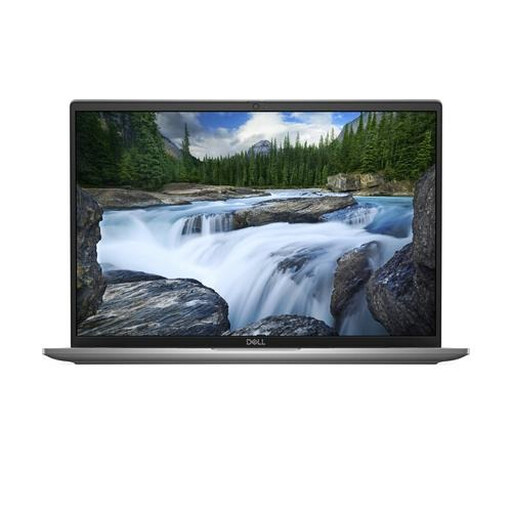
Dell Latitude 7650, Core Ultra 7 155U, 16 GB, 512 GB
The 16-inch screen gives you built-in space for development and browser tasks. Check that this size suits you if you’ll be carrying the laptop around often.
The product name lists 16 GB of memory, a 512 GB SSD, Windows 11 Pro and a QWERTY keyboard.
View on Joybuy
Frequently asked questions
Do I need a touchscreen or dedicated graphics card for responsive layouts?
Not just for responsive design. MDN Web Docs explains how to assess different screen sizes using resizable windows and browser developer tools. Only check for additional hardware requirements if you plan to use other software that needs them.
How do I start testing my auction site?
Start by changing the width of your browser window and using the responsive view in your browser’s developer tools. Then test on the browsers and devices that matter to your intended visitors; a single laptop screen won’t show every use case.
Can I use local development tools on any Chromebook?
Don’t assume so without checking. Google says Linux development can be set up on supported Chromebooks, but may not be available on a Chromebook managed by your workplace or school. Check the device and its management settings before you buy.
Do I automatically need an extended warranty for volunteering?
Volunteering doesn’t automatically mean you need one. The Dutch Government states that the Netherlands has no fixed statutory warranty period. Compare an additional service contract with your statutory rights, and check exactly what the contract covers.
Does a Dutch charity auction site need to be digitally accessible?
That depends on the organisation and the service. The Netherlands Authority for Consumers and Markets states that accessibility rules apply to e-commerce services that allow consumers to enter into an agreement online when the organisation has 10 or more employees or annual turnover of more than € 2 million. Whether a particular auction site falls under these rules cannot be determined from laptop use alone; responsive design by itself does not prove compliance.


