Choose a laptop that runs the writing and research software you need, then compare the screen, keyboard, weight and battery life for your days in the library. Windows, ChromeOS or macOS could all work for documents and browser tabs, but offline use, ports and purchase costs vary. Manufacturers’ battery-life claims don’t guarantee the same working time for your own use.
Who is this choice for?
Comparing sources
You read PDFs, keep several sources open and write arguments at the same time. Screen space and switching smoothly between windows may matter more than graphics hardware. The Consumentenbond discusses RAM in relation to running several programmes at once.
Library regular on the move
You often take your laptop with you and can’t always sit near a power socket. Compare the weight of the exact configuration and check which activity and test conditions apply to any battery-life claim.
Choosing on a budget and for your software
You don’t want to pay for features you won’t use, but your documents and any required software still need to work, even if your internet connection drops. Check compatibility and offline use before you choose.
What should you look for?
Windows laptop
A good fit if: you rely on specific Windows programmes or documents stored locally.
Bear in mind: weight, screen, keyboard, charger and ports vary by configuration.
Chromebook
A good fit if: you mainly work in a browser and with Google documents, and don’t need a programme that doesn’t run on ChromeOS.
Bear in mind: make the files you need available offline in advance; some apps don’t work without an internet connection.
MacBook Air
A good fit if: you want to use macOS, your software runs on it and the purchase price fits your budget.
Bear in mind: Apple claims up to 15 hours of wireless web browsing for the 13-inch M5 model under its own test conditions; this isn’t an exact prediction of how long it will last for you.
| What to consider |
What should you check? |
Who is this important for? |
| Sources alongside your arguments |
Compare screen size and finish; also consider RAM if you use several programmes at once. The Consumentenbond says 8 GB is enough for light use and recommends 16 GB, if possible, for running several programmes. |
If you use PDFs, browser tabs and your document of arguments side by side, you’ll want to switch between them smoothly. Around 33% of consumers prioritise sources and multitasking. |
| Portability and battery life |
Check the weight of the configuration you’re considering, which activity was measured in the battery test and whether a charger is included. |
If you often travel to the library and aren’t sure there’ll be a power socket, you’ll want to consider what you have to carry and the conditions behind any battery-life figure. Around 27% of consumers prioritise portability and battery life. |
| Software and offline use |
Check that required programmes are supported and test whether you can access the files you need without Wi-Fi. |
If you need to rely on sources you’ve already collected while writing, you’ll want to be able to use your software and documents without an internet connection too. Around 20% of consumers say software compatibility and offline access are their main concerns. |
| Total cost and support |
Compare the configuration and accessories you need; check what an additional service plan actually includes. |
If you mainly use documents and the internet, you won’t want to pay for features you don’t need, and you’ll want to know what support comes with your purchase. Around 20% of consumers focus mainly on total cost and after-sales support. |
How to avoid common buying mistakes
-
Taking a battery-life figure as a guarantee of working time in the library
Battery life depends on the task and test conditions. Apple, for example, distinguishes between streaming video and browsing the web wirelessly.
Check exactly which activity was measured and allow for differences between the test and your own use.
-
Choosing a Chromebook without testing it offline
Google says that some apps don’t work offline and that files need to be made available in advance.
Before relying on a Chromebook for a library session, open the files and programmes you need without an internet connection.
Syncing files in advance may take extra preparation time.
-
Comparing only the laptop and forgetting the charger
HP says the charger for the OmniBook 5 14-hh0630ndx is sold separately.
Check what’s in the box and include any adapter you need in your comparison.
You may need to buy a suitable charger separately for this HP configuration.
-
Confusing the manufacturer’s warranty with your statutory rights
According to the Dutch Government, you’re entitled in the Netherlands to a product that conforms to the agreement. A manufacturer’s warranty or additional plan is separate from this right.
Check what cover an extra service plan provides, and contact the seller if the product is faulty.
Brands to compare
Lenovo
The IdeaPad Slim 5a Gen 11 is a configurable 14-inch Windows range. The configuration reviewed, 83S1CTO1WWNL3, has 16 GB RAM, a 512 GB SSD and an anti-glare IPS screen.
- Lenovo lists the weight of this configuration as starting at around 1.34 kg.
- Check the configuration and keyboard layout you choose; the page reviewed lists ‘English (EU)’.
Acer
The Chromebook Plus 514 range offers a ChromeOS option. The CB514-5H-53HQ specifications list a matt 14-inch screen, 16 GB RAM and a 512 GB SSD.
- Acer lists HDMI, USB-A and USB-C ports among the connections on this configuration.
- Check that your software runs on ChromeOS, and make Drive files available offline in advance if you want to work without Wi-Fi.
Apple
The 13-inch MacBook Air with M5 is a macOS option for anyone who wants to use that software environment.
- Apple lists a 13.6-inch screen, 16 GB of memory as standard and two Thunderbolt 4 ports for the 13-inch model.
- According to Apple’s own test figures, the model offers up to 15 hours of wireless web browsing. This is neither an independent battery test nor a prediction of how long it will last for you.
ASUS
The Vivobook 14 M1407 range is a Windows option in a 14-inch size.
- ASUS lists a 1920 × 1200 IPS screen with a 16:10 aspect ratio and expandable memory for the range.
- Check which features apply to the specific configuration you’re looking at.
HP
The OmniBook 5 14-hh0630ndx is a Windows configuration with a 14-inch OLED screen, 16 GB RAM and a 512 GB SSD.
- HP lists USB-C, USB-A and HDMI connections for this configuration.
- HP says the charger is sold separately, so check what’s included with the configuration.
Laptop options at Joybuy
This selection includes Windows and macOS models with different screen sizes, configurations and weights, suited to reading sources and writing arguments.
 No image available
Apple MacBook Pro 14-inch M5 Pro, 24 GB, 1 TB
The listed screen size and memory configuration may be useful if you work with several documents and browser tabs side by side.
14.2-inch XDR screen; 24 GB memory; 1 TB storage; Space Black; QWERTY keyboard.
Joybuy
 No image available
ASUS Zenbook A14 UX3407QA-QD479W, 16 GB, 512 GB
This Windows model could be a good fit if you want to view documents and often take your laptop with you; just check that it’s compatible with the programmes you need.
14-inch WUXGA OLED screen with a 16:10 aspect ratio; 16 GB memory; 512 GB SSD; approx. 0.98 kg; Dutch QWERTY keyboard layout.
The charger isn’t included; the product description recommends a compatible 65 W USB-C Power Delivery charger.
Joybuy
 No image available
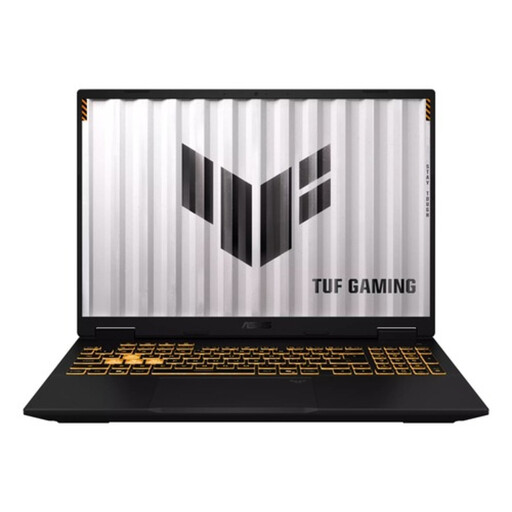
ASUS TUF Gaming 16 FX610JM-TU005W, 16 GB, 1 TB
The larger screen gives you room to view sources and text side by side, but weigh this against the laptop’s weight if you’ll be carrying it often.
16-inch WUXGA screen with a 16:10 aspect ratio and anti-glare IPS finish; 16 GB RAM; 1 TB SSD; 2.20 kg; QWERTY keyboard.
Joybuy
 No image available
Lenovo Legion 5 15AHP11, 16 GB, 512 GB
The 15.3-inch screen gives you more room to view documents side by side; if you’ll be carrying it regularly, bear the model’s weight in mind.
15.3-inch WQXGA OLED screen; 16 GB memory; 512 GB SSD; weight from 1.87 kg.
Joybuy
 No image available
Apple MacBook Air 15-inch M5, 16 GB, 512 GB
This macOS model could suit you if your software runs on it and you want extra screen space; bear its larger size in mind when carrying it around.
15.3-inch Liquid Retina screen; 16 GB memory; 512 GB storage; two Thunderbolt 4 ports; Starlight; QWERTY keyboard.
The charger isn’t included; the product description specifies a USB-C adapter of at least 35 W.
Joybuy
Frequently asked questions
Is 8 GB RAM enough for preparing for a debate?
For light internet and office work, the Consumentenbond says 8 GB is enough; for running several programmes at once, it recommends 16 GB if possible. Choose based on how you’ll use your laptop: 16 GB isn’t a mandatory minimum.
Can I work on my arguments on a Chromebook without the library’s Wi-Fi?
Yes, if the files you need are supported and have been made available offline in advance. Before you leave, check that your files have synced; Google warns that some apps may not work offline.
Can I tell from a battery-life figure how long the laptop will last in the library?
Not exactly: a manufacturer’s figure applies to the stated test activity and conditions. For example, Apple claims up to 15 hours of wireless web browsing for the 13-inch MacBook Air M5; your own use may vary.
Do I need to buy an extended warranty for a laptop in the Netherlands?
Not necessarily. According to the Dutch Government, you’re entitled to a product that conforms to the agreement, and the seller is your point of contact if there’s a problem. An additional plan is most relevant if its terms genuinely provide extra cover; in the Netherlands, there is no fixed statutory two-year warranty period for every product.
Do I have a cooling-off period if I buy a laptop online from a business?
According to the Dutch Government, online consumer purchases from a business generally come with a 14-day cooling-off period. This doesn’t automatically apply to purchases from a private seller; check the terms that apply to your purchase.


