
If silence is your priority
You study in a quiet room and don’t want a fan interrupting your concentration. Apple describes the M5 MacBook Air as fanless, but that doesn’t rule out sounds such as typing or background noise.


If you want to avoid fan noise and your course materials work on macOS, a fanless MacBook Air is a suitable choice: Apple confirms that the M5 has a fanless design, but doesn’t claim that it makes no other sounds. Choose Windows if you want to code locally using Windows software or need a different screen and port setup, and check the cooling system and whether S mode applies to the exact configuration. A Chromebook is best suited to browser-based lessons; for local assignments, check that Linux is available and permitted on the device.
You study in a quiet room and don’t want a fan interrupting your concentration. Apple describes the M5 MacBook Air as fanless, but that doesn’t rule out sounds such as typing or background noise.
You want to use the Python interpreter, files and a code editor on your own laptop. The Python Software Foundation provides Python for various operating systems, so check that the operating system and installation options on the configuration you choose are suitable for your course.
You’re starting with lessons in a browser and are considering ChromeOS, but might want to work locally later. Google Chromebook Help notes that Linux may be restricted on devices managed by a school or workplace.
A good fit if: your course software works on macOS and avoiding fan noise is a high priority.
Keep in mind: fanless doesn’t mean that typing or background noise disappears; also check the ports and the exact configuration.
A good fit if: you want to install Python and an editor locally and have chosen Windows deliberately, or need a specific screen and port configuration.
Keep in mind: Windows doesn’t guarantee quiet cooling. Microsoft says that switching out of S mode is a one-time, irreversible change.
A good fit if: your course is mainly browser-based, or you’ve checked Linux support on the specific Chromebook.
Keep in mind: Linux may be restricted on a managed device; also check the model’s update end date.
| What to consider | What to look for | Who it matters most to |
|---|---|---|
| A quiet study experience | Check whether the exact configuration is fanless, or look for an independent noise measurement under comparable conditions. Don’t assume a slim case means quiet operation. | When I study in a quiet room, I don’t want fan noise to interrupt my concentration. Around 31% of consumers put a quiet study environment first. |
| Installing Python locally | Check your course requirements, the supported operating system and any S mode or Chromebook management restrictions. | If I want to use Python, files and an editor on my own laptop, the installation needs to work with my course software. Around 25% of consumers give local installation top priority. |
| Comfort at a dedicated study space | Compare screen size, keyboard layout and the ports you need for an external screen or input device. | For long study sessions, I want to choose a screen and input setup that suits my workspace. Around 19% of consumers put workspace comfort first. |
| Getting started with browser-based lessons | Check whether your current and expected assignments can be completed in a browser. For a Chromebook, also confirm Linux availability and the update end date. | If my lessons are browser-based for now, I want to get started without unnecessary local installation. Around 13% of consumers prioritise getting started in a browser. |
| Room for future projects | Compare the memory and SSD in the exact configuration with the software and files you expect to use. | For future local projects, I don’t want to consider only the requirements for my first exercises. Around 12% of consumers put room for future projects first. |
An operating system or slim design doesn’t tell you whether a laptop makes fan noise. Apple specifically confirms that the M5 MacBook Air has a fanless design; this hasn’t been confirmed for the other options mentioned.
Check the cooling system on the exact model configuration and, if necessary, look for an independent noise measurement under comparable conditions.
Google says Linux isn’t enabled by default and may be restricted on devices managed by a school or workplace.
Before buying, check your assignments, Linux support and administrator permissions for the exact device.
If you need to complete assignments locally, you may need a different development environment or laptop.
Keyboard layout, ports and included power supply can vary between configurations. Lenovo lists an English (EU) keyboard for model 83RSCTO1WWNL2; HP says that a recommended USB-C adapter for model 16-bm0615ndx is sold separately.
Read the specifications and what’s included for the exact configuration you want to order, and check that the connections suit your workspace.
ACM ConsuWijzer distinguishes between statutory warranty and a manufacturer’s or seller’s warranty. How long you can reasonably expect a product to last also depends on the circumstances.
Keep your proof of purchase and report a faulty product to the seller. Don’t let an additional warranty you’re offered obscure your statutory rights.
A point of reference if you want macOS and specifically want to avoid fan noise. These points apply to the MacBook Air configuration mentioned, not as a general assessment of all Apple products.
The IdeaPad Slim 3i is a Windows option if you want to learn Python locally and are looking for a 16-inch screen in the configuration mentioned.
The Chromebook Plus 514 is a ChromeOS option for browser-based lessons and exploring whether local development is right for you.
The OmniBook 5 is another Windows option if screen size and the specific configuration are important to you.
These Joybuy laptops could suit a Python study space where you’d like extra screen space. Check that the operating system and installation options on each model work with your course; the product information doesn’t confirm that every configuration is quiet.
 No image available
The product information lists Windows 11 Home and a 16-inch screen; check that the cooling system is suitable for studying in a quiet space.
The product name lists an Ultra 9-285H, RTX 5060, 16 GB RAM and a 1 TB SSD.
 No image available
The product information lists Windows 11 Home and an 18-inch screen. If fan noise is a major concern in your study, check the cooling system on this exact configuration.
The product name lists a Ryzen 9 8940HX, RTX 5060, 16 GB RAM and a 1 TB SSD.
 No image available
The product name lists Windows 11 Home and a 16-inch screen; check whether 8 GB RAM is enough for the software and assignments you plan to use.
The product name lists an AMD Ryzen 5 7520U, 8 GB RAM, a 512 GB SSD and a 2K IPS screen.
 No image available
The product name lists Windows 11 Home and a 16-inch screen. Check that the software and course assignments work with this exact configuration.
The product name lists a WUXGA OLED screen, Snapdragon X processor, 16 GB LPDDR5X and a 512 GB SSD.
 No image available
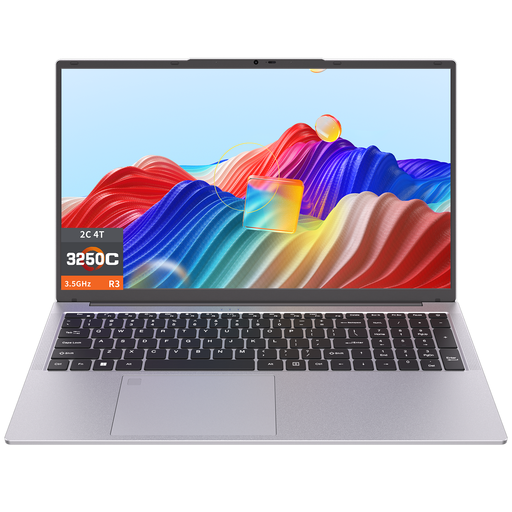
The product name lists a 17.3-inch screen. Before buying, check the operating system and installation options for the Python assignments you plan to do.
The product name lists a 3250C processor, 8 GB DDR4 RAM and a 512 GB SSD.
Yes, if the development environment you need is available and permitted on your Chromebook. Google Chromebook Help describes Linux tools for compatible Chromebooks, but notes that administrators can block Linux on devices managed by a school or workplace.
For a local installation, use the version of Python intended for your laptop’s operating system. On a Chromebook, follow Google’s instructions for Linux packages and check how long that device will continue to receive ChromeOS updates.
For a consumer purchase in the Netherlands, statutory warranty is separate from, for example, a two-year manufacturer’s warranty. If a product proves faulty under normal use, the seller must provide a remedy in line with the applicable terms. ACM ConsuWijzer says that for an ordinary online purchase of goods, you generally have up to 14 days from delivery to change your mind; check the exceptions and returns terms that apply to your order.
Not simply because you’re studying at home as a private individual. Arboportaal sets out workplace requirements for employees who work at a screen for more than two hours a day, including that the screen and keyboard must not be attached to each other; when using a laptop, a separate screen or keyboard must be available. If these rules for employees apply to you, discuss your setup with your employer.