What should you look for when buying?
First, check that your required software and files will work on the laptop. Then compare the keyboard, screen and battery use with the way you work in the library.
| What to consider |
What to look for |
Who is this important for? |
| Typing and reading |
Try the keyboard if possible, and check the screen size and finish of the exact model. The Consumers’ Association recommends checking that the keys aren’t too small or too close together. |
If I’m writing my proposal for a long time, I want to type comfortably and read my text clearly. Around 29% of consumers put typing comfort and readability first. |
| Battery away from a power socket |
Compare battery figures with the activity used in the test, and check what type of power adapter is required and included. |
If I don’t know whether there’ll be a power socket, I want to be able to continue working without stopping to recharge. Around 23% of consumers give working without a power socket top priority. |
| Software and files |
Check the required programmes and file formats. Google says some Drive files can be used offline on a Chromebook, while some apps won’t work offline. |
If my project requires specific programmes or file formats, I want to be able to use them and open my files offline too. Software and files are a top priority for around 18% of consumers. |
| Portability and workspace |
Compare the dimensions and weight of the exact model with what you want to carry, and consider how much screen space you need. |
If I regularly take my laptop to the library, I want it to fit in my bag without leaving me with too little workspace. Around 18% of consumers put portability first. |
| Purchase cost |
Compare complete configurations within your budget, and match the processor, memory and storage to the programmes you use. |
If I mainly write proposals and don’t need demanding software, I don’t want to pay for capacity I won’t use. Purchase cost is the main priority for around 12% of consumers. |
Joybuy products
These product picks focus on macOS and Windows laptops for writing, with a range of screen sizes and configurations to suit your software, portability and workspace needs.
 Image unavailable
Apple MacBook Air 13-inch M5, 16GB, 512GB, Midnight, QWERTY Keyboard
An option to consider if your required programmes work on macOS and you’re looking for a compact laptop to carry with you.
The product name lists 16 GB of memory and 512 GB of storage. Check that the QWERTY layout suits the way you work.
View at Joybuy
 Image unavailable
Lenovo IdeaPad Slim 3 14AHP10 R7, 16G, 512G, Qwerty Keyboard
A Windows option to consider if you use required Windows software; check your programmes are compatible beforehand.
The product name lists 16G and 512G. Check the full specifications and keyboard layout of this model.
View at Joybuy
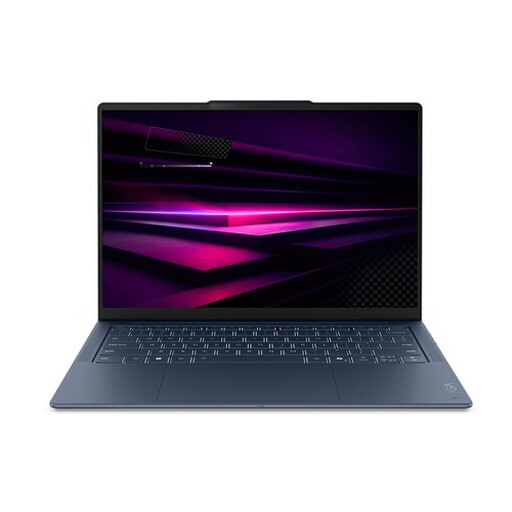 Image unavailable
Lenovo Yoga Slim 7 14Q8Y11 Copilot+ PC, 14-inch, Snapdragon X2P-42-100, Qwerty Keyboard
A 14-inch Windows option to consider if you want a laptop you can carry with you and need Windows software.
The product name lists a Snapdragon X2P-42-100 processor and a Qwerty keyboard. Check that your required programmes will work and that the configuration suits your needs.
View at Joybuy
 Image unavailable
Lenovo IdeaPad Slim 5 15ARP10, Ryzen 5 7535HS, 16GB, 512GB SSD, Cloud Grey, QWERTY Keyboard
The 15.3-inch size may suit you if you want more screen space while writing and are happy to carry a larger device.
The product name lists a Ryzen 5 7535HS processor, 16 GB of memory and a 512 GB SSD. According to the product information, the USB-C power adapter is sold separately.
View at Joybuy
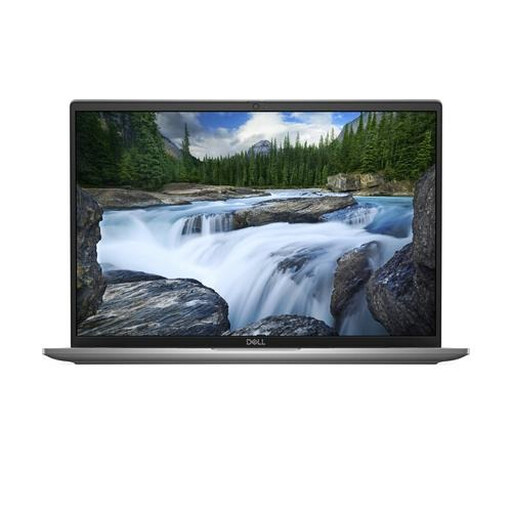 Image unavailable
Dell Latitude 7650, Intel Core Ultra 7 155U, 16-inch Full HD+, 16GB, 512GB SSD, Windows 11 Pro, QWERTY Keyboard
An option to consider if you need Windows 11 Pro and prefer a 16-inch screen for writing; bear the larger size in mind when carrying it around.
The product name lists an Intel Core Ultra 7 155U, 16 GB of LPDDR5x memory and a 512 GB SSD.
View at Joybuy
Frequently asked questions
How can you stop a lost internet connection from interrupting your writing?
Make the files you need available offline in advance and test this before you go to the library. Google explains how to use certain Drive files, including Docs, offline on a Chromebook and sync them later; some apps won’t work offline.
Do you need a powerful processor straight away for a project proposal?
Not just for writing and basic office work. Choose a configuration to suit the other programmes you use and how many tasks you run at once. The Consumers’ Association provides separate guidelines for light everyday use and more intensive multitasking.
What can you do if a laptop bought in the Netherlands is faulty?
Contact the retailer: according to the Dutch government, you’re entitled to a product that works properly, and the retailer must provide a solution if there’s a fault. There is no fixed statutory warranty period in the Netherlands; what you can expect depends, among other things, on the product and the purchase information.
Do you always have 14 days to change your mind when buying online?
For distance purchases, the cooling-off period is usually 14 days, according to the Dutch government. Before buying, check the retailer’s information and the terms that apply to your order.
How can you look after the battery if you often work in the library?
Check whether your laptop has a charge limit and what that setting means for when you need to recharge. The Consumers’ Association notes that a charge limit may mean you need to plug in your laptop more often.


