What should you consider when choosing?
Start with the most demanding task you actually need to do. A laptop for everyday document use is a different starting point from one that must run local 3D software.
| What to consider |
What should you check? |
Who is this important for? |
| Portability |
Compare the size and weight of the exact configuration. Also check the stated battery life and the conditions under which it was tested. |
If you often carry your laptop between locations and work without a fixed desk, a compact size is especially useful. Around 33% of consumers prioritise portability. |
| Screen space |
Check the screen size, resolution and any glare. If possible, view your own documents on a screen of that size. |
If you want to view drawings, images and notes side by side, extra screen space may matter more than a compact design. Around 25% of consumers prioritise an overview of their documents. |
| Software compatibility |
Make a note of the required programmes and versions, then compare their operating system, memory and graphics requirements with the exact configuration. |
If your course requires design software installed on your laptop, it must run on the one you choose. Around 25% of consumers prioritise compatibility with required software; TU Delft’s advice for Industrial Design applies to that course context. |
| Required configuration |
Identify the most demanding task you’re certain to do, then check the memory, storage, upgrade options and included accessories. |
If you mainly view materials, there’s no need to pay for capacity you won’t use, so compare your specific requirements first. Around 17% of consumers prioritise the purchase price. |
The Consumentenbond considers 16 GB of memory a useful choice for working smoothly with several programmes at once. For Industrial Design, TU Delft specifies, among other things, Windows 11, a dedicated graphics card, at least 16 GB RAM and 512 GB of storage, with 32 GB RAM recommended. These course guidelines aren’t general requirements for viewing documents and images.
Joybuy laptops for project materials
This selection includes laptops for viewing project documents and carrying between locations, with compact 14-inch options and a 16-inch model for those who want more screen space.
 No image available
Lenovo IdeaPad Slim 3 14AHP10 R7, 16 GB, 512 GB, Windows 11
A 14-inch Windows laptop you can carry with you to view project documents on a compact screen.
The product name lists 16 GB of memory and a 512 GB SSD.
View at Joybuy
 No image available
Apple MacBook Air 13-inch M5, 24 GB, 1 TB, Midnight (2026)
A compact option for project materials, provided the required programmes and file formats work on macOS.
This configuration lists 24 GB of memory and a 1 TB SSD. Check that any required software is compatible with macOS before buying.
View at Joybuy
 No image available
HP OmniBook 3 14-hy0058ndx, Ryzen 5 7520U, 8 GB, 512 GB
A 14-inch laptop for viewing project documents in different places, with a 16:10 screen ratio.
The description lists Windows 11 Home and a 512 GB SSD. According to the product description, this configuration is supplied without a charger.
View at Joybuy
 No image available
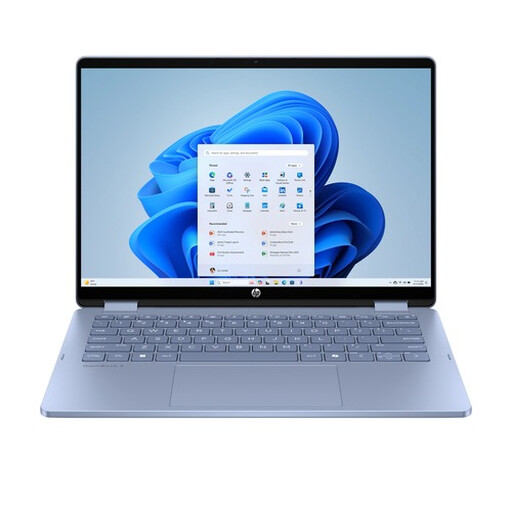
HP OmniBook 5 Flip 14-fp0251ndx 2-in-1, Core 5 120U, 8 GB, 512 GB
A 14-inch touchscreen laptop for viewing or discussing project materials. The description also lists tablet, tent and stand modes.
According to the description, this configuration has a 512 GB SSD. A USB-C charger and stylus aren’t included.
View at Joybuy
 No image available
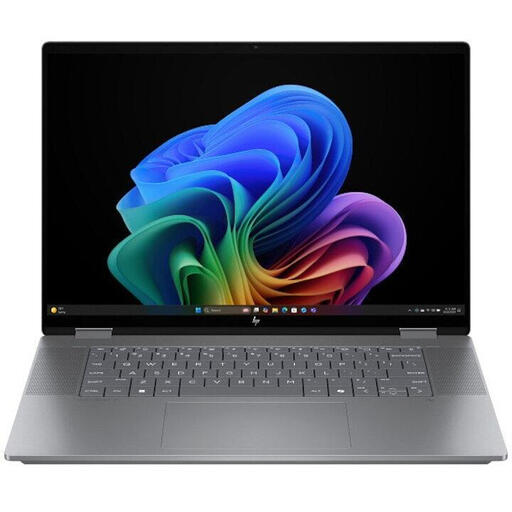
HP OmniBook X Flip NG AI PC 16-ar0070nd
A 16-inch model for viewing project files on a larger screen. Bear in mind its size if you carry your laptop often.
The description lists a 3K OLED touchscreen, 24 GB of memory and a 1 TB SSD.
View at Joybuy
Frequently asked questions
Do I need a dedicated graphics card to view reuse project materials?
Not just to view project materials. If your course requires local 3D software, check the programme’s requirements. TU Delft does recommend a dedicated graphics card for Industrial Design, but that advice applies to that course context.
What should I check before using project files on my laptop?
Check that the required programmes and file formats open, and make sure you have a backup of your work. The software you need depends on your course or project. TU Delft also reminds students that they’re responsible for backing up their own work.
How can I keep my battery in good condition if I often carry my laptop around?
Avoid extreme heat and letting the battery run completely flat, advises the Consumentenbond. A charge limit can help reduce wear, but it also means you’ll have less capacity available per charge. Check whether your model has this feature.
What statutory rights do I have in the Netherlands when I buy a laptop online?
The seller is responsible if a consumer product doesn’t meet what you could reasonably expect under normal use. Statutory rights don’t have a general fixed two-year term, according to ACM ConsuWijzer. For distance purchases, you generally have 14 days from delivery to change your mind, subject to legal exceptions, according to the Netherlands Authority for Consumers and Markets. These are statutory rights, not additional manufacturer support.


